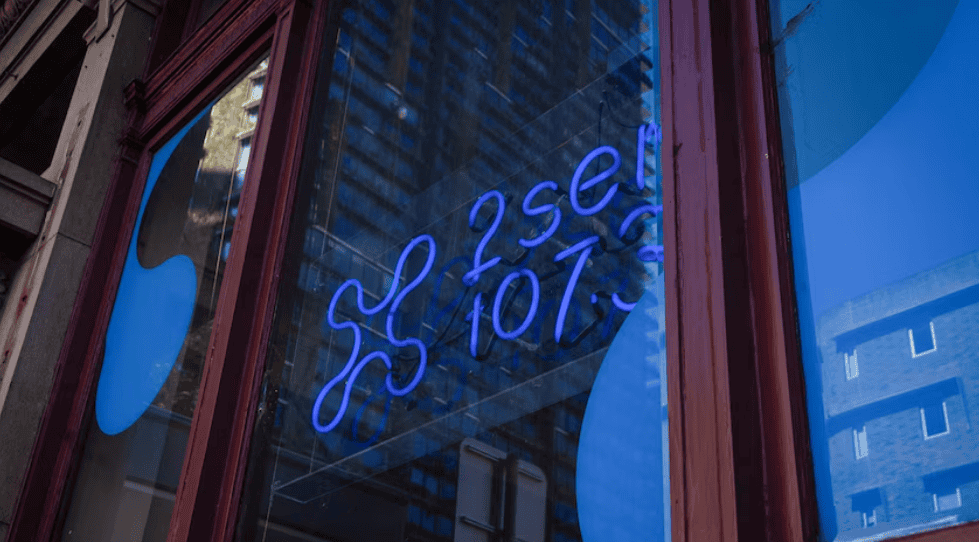

Sydney’s community radio landscape is facing a major shake-up, with iconic station 2SER 107.3 FM at risk of shutting down after more than four decades on air. The station, which has been a cornerstone of independent broadcasting since 1979, could close as early as July 2026 if urgent funding solutions are not secured.
The crisis comes after Macquarie University, one of 2SER’s co-owners, decided to withdraw its financial support — a move that has left a significant funding gap. The station is jointly owned by Macquarie University and the University of Technology Sydney (UTS), but UTS has made it clear it cannot sustain the station on its own. That reality has forced management into a race against time to find new partners or rethink its long-term financial model.
In a message to staff and volunteers, station manager Cheryl Northey warned that without secure funding, closure remains a real possibility. While efforts are ongoing to avoid that outcome, the tone reflects growing urgency behind the scenes.
Funding crisis puts 40-year legacy at risk
For many in Sydney, 2SER is far more than just another radio station. Founded in 1979 as Sydney Educational Radio, it was built as a collaboration between two universities with a focus on education, training, and community engagement. Over the years, it has become a launchpad for some of Australia’s most recognised media voices and creatives.
The station currently relies on a mix of institutional backing, sponsorship, and community support. However, Macquarie University’s decision — reportedly based on a view that funding the station could not be justified relative to benefits — has disrupted that balance. Without a replacement partner, the financial shortfall has become critical.
UTS has said it is actively working with 2SER to identify new university partners that share a commitment to student learning and public broadcasting. But so far, no confirmed replacement has emerged, leaving the station in a precarious position just months ahead of the potential shutdown timeline.
The situation highlights a broader issue facing community media: how to sustain platforms that deliver cultural and educational value but operate outside traditional commercial profit models.
More News
A cultural institution with deep community roots
2SER’s impact extends well beyond its broadcasts. The station is powered by a network of around 100 volunteers, many of whom contribute their time to produce shows, support programming, and keep operations running. For decades, it has served as a training ground for aspiring journalists, presenters, and producers entering the media industry.
Notable alumni include high-profile names across journalism, politics, and broadcasting. Former ABC presenter Robbie Buck began his career at 2SER, while other figures linked to the station include Tanya Plibersek, Eleanor Hall, and Richard Kingsmill. For many, the station was the first real opportunity to step into media and learn the craft hands-on.
Supporters say losing 2SER would remove one of the few remaining entry points into the industry that is not controlled by major media organisations. It would also weaken the diversity of voices available to Sydney audiences.
Beyond training, the station has long been known for championing Australian music, with around 55–60% of its playlist dedicated to local artists. Musicians such as Courtney Barnett and Gotye received early airplay through 2SER, highlighting its role in shaping the country’s music scene.
The station has also played a historic role in social and cultural movements. One of its most notable programs, Gaywaves, launched at a time when homosexuality was still illegal in New South Wales, providing a rare and important platform for LGBTQ+ voices and issues.
For listeners, 2SER represents a space where niche ideas, independent voices, and community stories can still be heard — something increasingly rare in a consolidated media environment.
Alumni and supporters have already begun mobilising, with dozens signing a joint letter urging the station’s board to take urgent action. Many describe the potential closure as a “dire loss” not just for media, but for Sydney’s cultural identity.
“There are people who only listen to 2SER — that’s their station,” one long-time contributor noted, reflecting the deep connection between the broadcaster and its audience.
As the deadline approaches, 2SER is now exploring alternative funding models beyond university backing. This could include partnerships, grants, or community-driven support structures. However, rebuilding financial stability in a short timeframe remains a significant challenge.
For now, the station continues to operate while searching for solutions. Listeners and supporters can follow updates and explore its programming through the official 2SER website, which remains active as efforts to secure its future continue.
The coming months will be critical. If a solution is found, 2SER could enter a new phase of independence and sustainability. If not, Sydney risks losing one of its last major community radio voices — a station that has spent more than 40 years shaping careers, supporting artists, and giving a platform to stories that might otherwise go unheard.
You may also like Chevrolet’s Camaro Replacement Could Arrive in 2028 as a 4-Door Sedan With a V8.

Make Swikblog your go-to source on Google for reliable updates, smart insights, and daily trends.