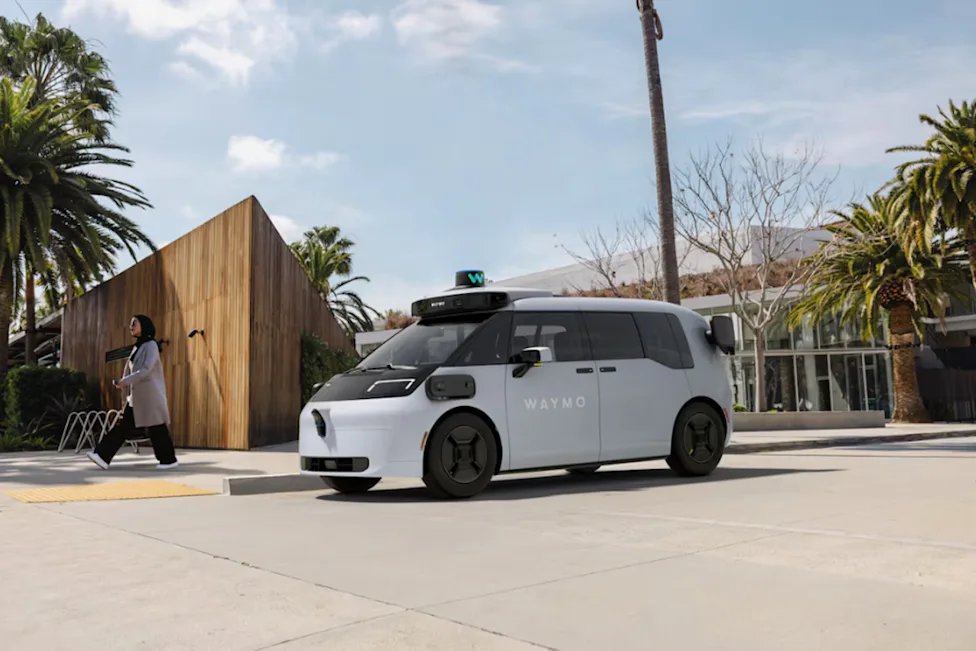
Uber (NYSE: UBER) stock rose 5% to $76.79 on Wednesday, outperforming broader tech peers after reports revealed the company is preparing to invest more than $10 billion into autonomous vehicles and robotaxi infrastructure. The sharp move comes even as the stock remains down roughly 25% over the past six months, making the latest rally particularly notable for investors watching a potential turnaround story.
The surge was driven by renewed optimism around Uber’s long-term strategy, with the company reportedly planning to allocate around $2.5 billion in equity stakes across self-driving technology companies and approximately $7.5 billion toward building its own robotaxi fleet. This marks a major shift for a company that historically operated on an asset-light model, relying on drivers rather than owning transportation infrastructure.
Autonomous push reshapes Uber’s growth narrative
The scale of the investment signals that Uber is positioning itself at the center of the emerging autonomous mobility ecosystem. The company is targeting robotaxi deployment in at least 28 cities by 2028, leveraging partnerships with firms including Baidu, Rivian, and Lucid. These collaborations could allow Uber to act as a marketplace for multiple autonomous fleet operators while also capturing a greater share of the economics through direct investments.
The strategy reflects a broader industry shift, where advances in artificial intelligence are finally making autonomous driving more commercially viable after years of delays. For Uber, this is not just about replacing drivers but enhancing platform efficiency, reducing costs over time, and improving margins in its core ride-hailing business.
Investors appear to be betting that Uber’s massive global network — connecting millions of riders, drivers, and merchants — gives it a structural advantage in scaling autonomous services. The company currently holds an estimated 64% share of the ride-sharing market, making it difficult for competitors to replicate its scale without significant capital investment.
Strong financial progress supports bold bets
Uber’s improving financial performance has played a key role in supporting investor confidence around its aggressive spending plans. The company reported non-GAAP earnings per share growth of about 37% year over year in fiscal 2025, reflecting stronger operational efficiency and cost discipline.
At the same time, selling, general, and administrative expenses have declined to below 20% of revenue, indicating that Uber is no longer just scaling revenue but also converting that growth into sustainable profitability. This shift has been critical in changing investor perception, as Uber transitions from a high-growth, cash-burning company to a more balanced, earnings-driven platform.
Uber’s delivery business continues to be a key growth engine alongside its core mobility segment. Delivery bookings are expanding at a faster pace and offer higher-margin opportunities over time, particularly as logistics density improves. The combination of ride-hailing dominance and delivery expansion gives Uber multiple revenue streams that can support long-term growth.
Stock performance and valuation remain mixed
Despite Wednesday’s rally, Uber’s stock performance has been uneven. Shares are still down around 12% year-to-date, even though they have gained approximately 13.87% over the past 90 days. Over a longer horizon, however, the company has delivered strong returns, with total shareholder gains of roughly 13x over the past three years.
Valuation remains a key debate among investors. Some analysts estimate Uber’s fair value at around $72.92, nearly in line with its recent trading levels. This suggests the stock may already be pricing in a significant portion of its expected growth, including potential gains from autonomous technology.
That said, others argue that Uber is currently trading at a discount to average analyst price targets, leaving room for upside if execution improves and the autonomous strategy delivers meaningful returns.
Investor sentiment improves but risks remain
Investor sentiment has turned cautiously optimistic following the latest developments. Uber’s ability to improve profitability while maintaining strong growth has strengthened the bull case, particularly among long-term investors who view the company as a dominant global platform.
The expansion into emerging markets such as Latin America and Asia Pacific also adds to the growth story, as rising middle-class populations and relatively low competition create favorable conditions for adoption.
However, risks remain significant. The $10 billion investment represents a substantial capital commitment, especially in a sector where timelines and returns are uncertain. Regulatory challenges, delays in autonomous deployment, and potential cost overruns could all impact the expected payoff.
Additionally, Uber faces competition from both traditional ride-hailing rivals and dedicated autonomous vehicle players, intensifying the race to establish leadership in the robotaxi market.
Outlook: A high-stakes transition phase
Looking ahead, Uber appears to be entering a critical transition phase. The company is no longer just a ride-hailing and delivery platform — it is positioning itself as a key player in the future of AI-driven mobility and logistics.
If the robotaxi strategy succeeds, it could unlock significant long-term value by reducing driver-related costs and improving margins. However, execution will be crucial, and investors will closely monitor how efficiently Uber deploys capital while maintaining its recent profitability gains.
For now, the market is responding positively to the company’s bold vision. The 5% rise to $76.79 reflects growing confidence that Uber could play a central role in the next wave of transportation innovation.
For more details on the autonomous vehicle investment and market reaction, you can read the full report on Barron’s.
Author: Swikblog News Desk
You may also like Blue Owl stock rises after PIMCO backs $400 million bond deal.

Make Swikblog your go-to source on Google for reliable updates, smart insights, and daily trends.