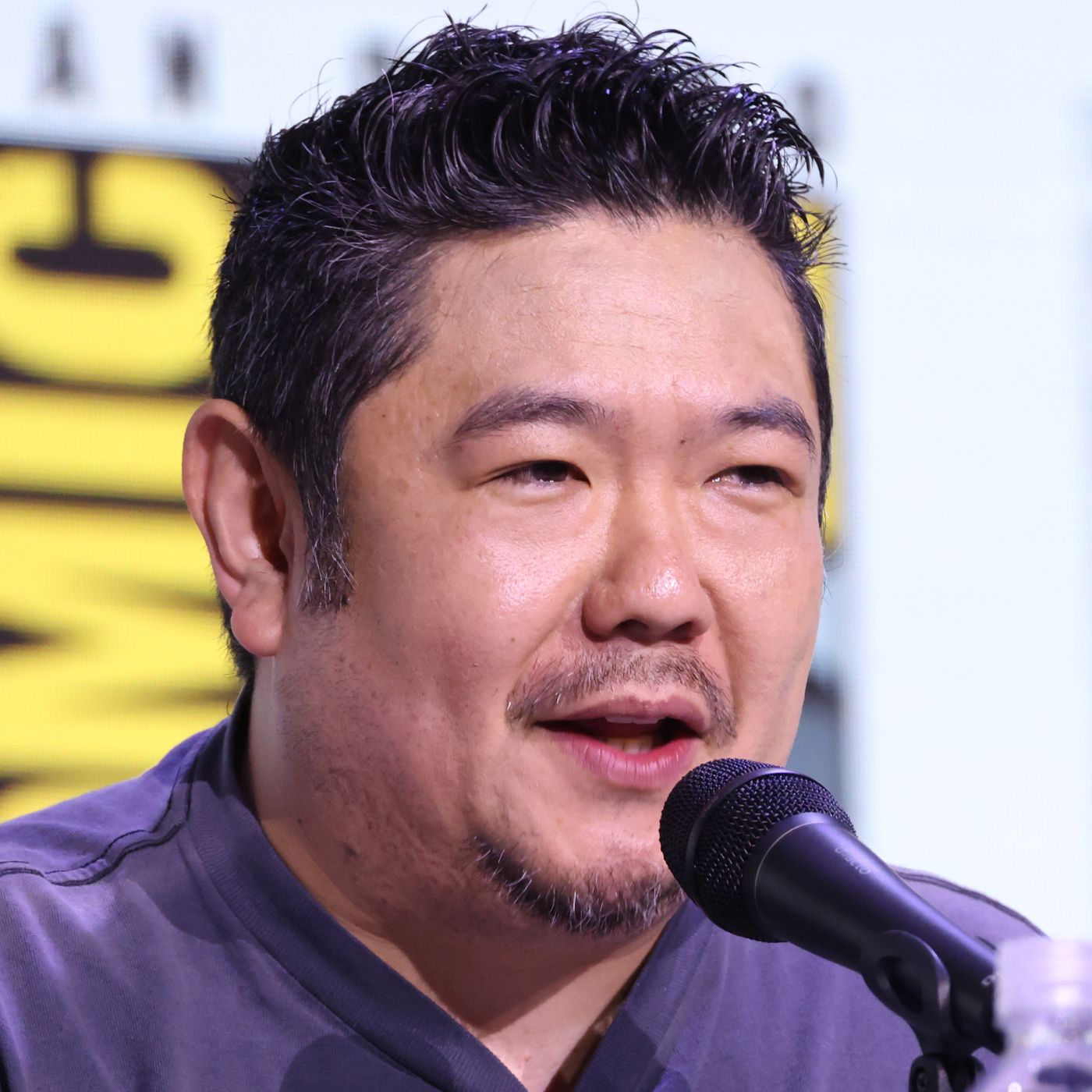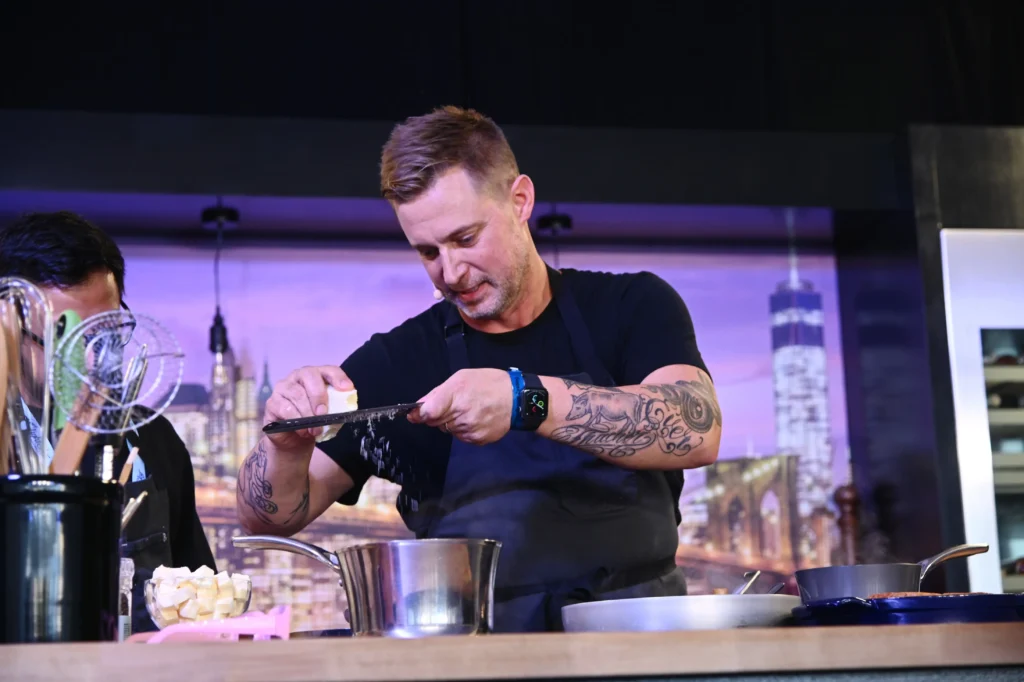

Bryan Voltaggio finally has the TV competition victory that had long seemed just out of reach. In the Season VII finale of Tournament of Champions, the chef outlasted Kevin Lee in a tense, one-point finish to become the first male winner in the history of Food Network’s bracket-style showdown.
That headline alone is enough to make the finale feel significant, but the larger context matters even more. For six straight seasons, women defined the standard on Tournament of Champions. Brooke Williamson, Maneet Chauhan, Tiffani Faison and Mei Lin didn’t just win — they helped establish the show’s identity as a competition where blind judging could upend assumptions and put every plate under the same unforgiving spotlight. Season VII changed that pattern, though not before reminding viewers how narrow the margins can be when the stakes are highest.
The path to that moment was unusual from the start. The final four featured Bryan Voltaggio, Kevin Lee, Jet Tila and Kenny Gilbert, which guaranteed that this season would produce the show’s first male champion. Even with that certainty, nothing about the final rounds felt predetermined. Every chef left in the bracket had a convincing case. Jet Tila came in with the scars of repeated semifinal exits and the belief that this was the year he could finally break through. Kevin Lee had been building momentum and looked like a chef who understood exactly how to play the game. Kenny Gilbert had already made history by rising from the qualifiers to the semifinals in his first season. And Bryan Voltaggio arrived with perhaps the most layered story of all: one of the most respected chefs in the field, a familiar face to competition fans, and someone still chasing a defining solo television win.
The semifinal round set the tone for the finale. Kevin Lee knocked out Jet Tila in an 83-81 result that once again underlined one of the core truths of this series: cooking well is essential, but strategy matters just as much. Jet’s dish earned praise for flavor, but Kevin was sharper in the way he answered the Randomizer. On a show where ingredients, equipment, style and presentation cues all count, that edge can become decisive. It did here, and the loss clearly stung for Tila, who once again found himself stopped before the final.
Bryan Voltaggio’s semifinal was even more emphatic. He beat Kenny Gilbert 94-88 with a dish that judges admired for both finesse and execution. More importantly, it felt like the kind of performance that changes the energy around a chef. Instead of simply surviving another round, Voltaggio looked fully in control. By the time he reached the championship battle, he no longer felt like the veteran trying to finally get over the line. He looked like the favorite.
The final round delivered the kind of challenge that makes Tournament of Champions stand apart from other food competitions. The Extreme Randomizer required both finalists to produce two dishes — one breakfast and one dinner — within an hour. The assignment included live king crab, freshwater chestnuts, a pressure cooker and a sticky element. It was the sort of setup that could easily punish hesitation. In a finale, it also demanded more than technical skill. It tested composure, sequencing, adaptability and the ability to make smart decisions while the clock worked against you.
Voltaggio responded with a menu built around control and clarity. His breakfast dish paired king crab with grits, while his dinner plate featured tempura fried crab leg. Kevin Lee answered with a Korean-inspired approach, making a king crab juk for breakfast and a fried crab and rice dish for dinner. The contrast between the two chefs made the showdown more compelling. Voltaggio leaned into refinement and precision. Lee brought energy, boldness and a strong point of view. Both approaches landed with the judges, which is why the scoring remained so close all the way through.
The panel for the final rounds — Mei Lin, Brooke Williamson, Cat Cora and David Chang — praised elements on both sides. Voltaggio’s food was admired for its execution and balance, while Lee’s dishes drew attention for creativity and strong flavor ideas. When the scores were revealed, the difference came down to a single point: Bryan Voltaggio finished with 84, Kevin Lee with 83. In most competitions, one point sounds minor. On Tournament of Champions, it feels enormous, because every point reflects a decision made under pressure.
That slim victory also gave Voltaggio something more meaningful than a belt or a cash prize. It gave him a signature moment. For years, his television story has included excellence, consistency and respect, but also near-misses. Fans have watched him come close on major stages before. This time, there was no “almost” attached to the ending. He won the final, he won the season and he left with a title no male chef had claimed before him.
The result also says something important about the continued strength of the series. Tournament of Champions works because it resists becoming predictable even when familiar names return. The blind judging format remains its greatest advantage, allowing chefs to be judged by what is on the plate rather than by reputation. That structure has helped turn the show into one of Food Network’s most reliable event programs. According to Food Network’s official series page, the competition is built around bracket drama and blind tasting, a combination that continues to separate it from more traditional culinary shows.
Season VII also tried to keep the format fresh. The “Secret Culinary Icon” twist added surprise No. 1 seeds such as Ming Tsai, Lorena Garcia, Jonathan Waxman and Aarón Sánchez. Not all of those names made a deep run, but the idea itself signaled that the franchise is still willing to take risks. That matters for a show entering a mature phase of its life cycle. It needs familiar tension, but it also needs new talking points. Season VII had both.
Now the attention naturally turns to what comes next. Food Network has not made a formal Season 8 announcement, but there is already clear momentum behind the franchise. Guy Fieri appeared to suggest during the finale that Kevin Lee would be back for another run, a remark that immediately fueled speculation about the show’s return. Industry coverage has also pointed to the series’ status as a major Food Network fixture, with outlets like Parade noting how central it has become to the network’s early-year lineup.
For now, though, Season VII belongs to Bryan Voltaggio. Not because he won in a runaway, and not because the bracket lacked star power, but because he delivered the right food at the exact moment the show demanded it. After years of being part of the conversation, he now owns the ending. And in a competition that has built its reputation on pressure, parity and proof, that makes his breakthrough feel earned in the best possible way.
You may also like: MasterChef Australia 2026 Format Change Brings Social Media Creators and Guest Judges Into Focus.

Make Swikblog your go-to source on Google for reliable updates, smart insights, and daily trends.