
A regular pedicure is often seen as a quick way to relax, clean up rough skin and leave the salon feeling refreshed. But one recent case from Perth has shown how a small break in the skin during a foot treatment can, in rare circumstances, turn into a serious medical emergency.
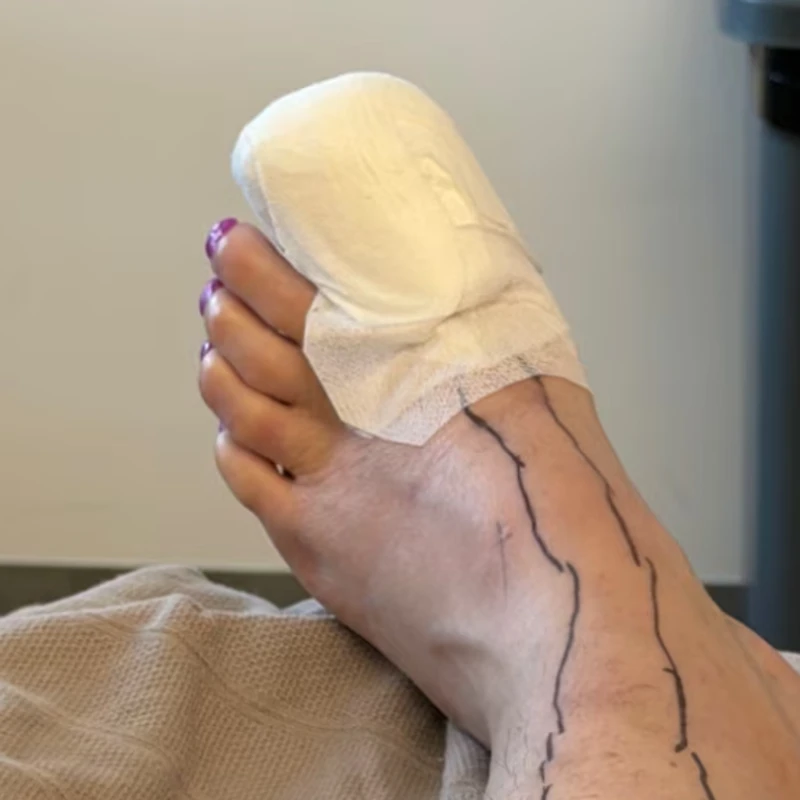
Kyla Willcox, a woman from Perth, Australia, was hospitalised for about a week after her big toe became badly infected following a pedicure. The infection developed after a callus under her toe was reportedly scrubbed forcefully with a pumice stone. Within days, what first looked like bruising and soreness became a severe infection that doctors said was moving toward sepsis.
The case has put attention back on nail salon hygiene, tool disinfection and the risks of aggressive callus removal. While most pedicures do not lead to complications, health experts say customers should understand what warning signs to watch for and when to seek medical help.
How a small skin injury became a hospital case
Willcox said the problem began after a salon worker vigorously filed the skin under her big toe. Two days later, the area became painful and bruised. Soon after, she woke during the night feeling extremely unwell, with chills, sweating and worsening pain in the toe.
The toe had become red and was starting to darken underneath. She went to hospital later that morning, where doctors carried out tests and admitted her immediately. According to her account, doctors drained pus from the toe and warned that if the infection had reached the bone, amputation could have been required.
Doctors were able to save the toe, but the treatment was intense. Willcox received strong antibiotics and later said she also experienced irritated veins and a blood clot during her recovery.
The most concerning part of the case was the risk of sepsis. Sepsis happens when the body has an extreme response to infection. It can progress quickly and may become fatal without urgent treatment. The CDC explains that sepsis is a medical emergency and early treatment is critical.
Why pedicure infections can happen
The main risk in cases like this is damage to the skin barrier. Skin normally protects the body from bacteria. When it is cut, cracked, scraped or aggressively filed, bacteria can enter deeper tissue and trigger infection.
That bacteria may come from several places. It can come from tools that were not cleaned properly, from shared surfaces, or even from bacteria naturally living on a person’s own skin. Once bacteria enters through broken skin, the warm and moist environment around the feet can make the infection worse.
This does not mean every pumice stone or callus treatment is dangerous. The risk rises when pressure is too aggressive, when skin is already cracked or damaged, or when tools are reused without proper cleaning and disinfection.
Willcox said she was concerned that the instruments used during her pedicure were sitting openly on a trolley and were not opened from sealed sterilised packaging. She later lodged a complaint with local authorities, and the local council said an environmental health officer was investigating the nail salon.
What salon customers should check before a pedicure
Customers do not need to avoid pedicures altogether, but they should be more aware of hygiene practices. A clean salon should be able to explain how tools are disinfected or sterilised. Single-use items should not be reused. Reusable instruments should be properly cleaned between clients.
It is also reasonable to ask whether tools have been disinfected before the appointment begins. If instruments are pulled from an open drawer, trolley or shared container without clear cleaning procedures, that is a warning sign.
Customers should also avoid pedicures when they have cuts, blisters, cracked heels, fungal infections or irritated skin. Shaving legs shortly before a pedicure can also create tiny cuts that increase infection risk.
Callus removal should be gentle. If filing becomes painful, burns, bleeds or feels too harsh, the treatment should be stopped. Thick calluses, recurring foot problems or painful skin changes are better handled by a podiatrist, where medical-grade infection control standards are stricter.
Warning signs after a pedicure
Mild tenderness after a pedicure may settle quickly, but worsening symptoms should not be ignored. Redness that spreads, swelling, throbbing pain, warmth around the toe, pus, dark discolouration, fever, chills or feeling suddenly very unwell can all point to infection.
Anyone with diabetes, poor circulation, immune problems or a history of foot infections should be especially careful. These groups face a higher risk of complications and should seek medical advice sooner if symptoms appear.
The lesson from Willcox’s case is not that every nail salon is unsafe. It is that even a common beauty treatment can become risky when the skin is damaged and hygiene standards are unclear. A pedicure should never leave someone with broken skin, severe pain or signs of infection.
Willcox has said the experience has changed her view of salon pedicures completely. After nearly losing her toe, she wants others to take hygiene more seriously, ask questions before treatment and act quickly if something feels wrong afterward.
You may like: Instagram down 2026: Stories not working outage explained

Make Swikblog your go-to source on Google for reliable updates, smart insights, and daily trends.