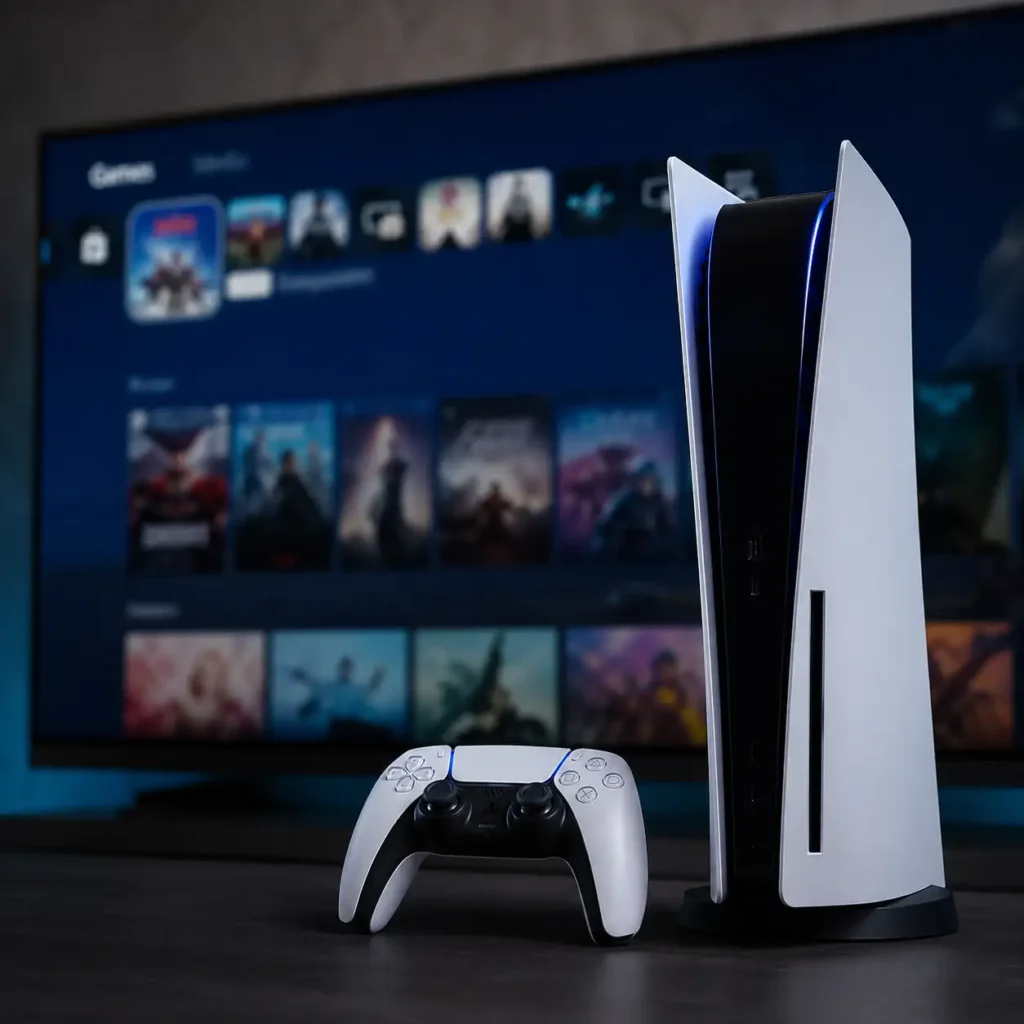

A fresh PlayStation DRM scare has put Sony back at the center of a familiar gaming debate: what happens to digital games when ownership depends on online licenses? Reports circulating among PS5 and PS4 players claim that some recently purchased digital games are now showing a 30-day validity window, raising fears that games bought from the PlayStation Store could require a monthly internet check-in.
The concern is understandable, but the facts are still developing. Sony has not announced a new policy requiring all digital PS5 or PS4 games to reconnect every 30 days. What players appear to have found is an unusual license timer on certain digital purchases, particularly on PS4 titles bought after recent firmware changes. That has led to speculation that Sony may have added stricter DRM in the background, although there is not yet enough verified evidence to say that every digital game will stop working after 30 days offline.
The story began gaining attention after modding and preservation-focused users shared screenshots showing a “remaining time” style message attached to some PlayStation digital games. Similar timers are normally associated with subscription content, trials, or PlayStation Plus access, not permanently purchased games. That difference is why the screenshots immediately alarmed players who expected purchased titles to remain playable offline on their primary console.
What is reportedly happening with PlayStation digital games?
Based on current reports, the issue seems to involve newer digital purchases rather than entire existing libraries. Some users claim games bought from March 2026 onward show a 30-day license period, while older purchases do not appear to be affected in the same way. Others have claimed that the usual primary-console setting does not remove the timer.
There are also differences between PS4 and PS5 reports. On PS4, users say the timer can appear visibly in game information screens. On PS5, the alleged behavior is less clear, with some reports suggesting users may only see an error or lock if the license cannot be verified. That distinction matters because the strongest visual evidence so far appears to come from PS4 menus, not a universal PS5 warning screen.
Another major missing piece is enforcement. A timer appearing in a menu does not automatically prove that a purchased game becomes permanently unplayable after 30 days. It may indicate a temporary license refresh system, a display mistake, or a backend bug. So far, there is limited public evidence showing a properly purchased PlayStation game failing only because the console remained offline for more than 30 days.
That is why the best way to describe the situation is not “Sony has confirmed 30-day DRM,” but rather: some players are seeing license behavior that looks like a 30-day check-in system, and Sony has not yet clearly explained why.
Could this be a bug instead of a new DRM policy?
Yes, and that possibility should not be ignored. Game preservation group Does It Play? has been tracking the issue and has suggested that the problem may be unintentional. Their testing focus is especially relevant because they examine whether physical and digital games remain playable without downloads, patches, or server checks. Their preservation work can be found on the official Does It Play website.
One theory is that Sony may have changed something while addressing an exploit or tightening license validation, and that the visible timer is an unintended side effect. This would explain why the issue appears inconsistent, why older purchases may not show the same behavior, and why there has been no public announcement of a major DRM change.
PlayStation already uses digital license checks. If a game shows a padlock icon, disappears from a library, or fails to recognize ownership, Sony advises users to restore licenses through console settings. The official PlayStation support guide says restoring licenses can help when content is locked, missing, or not recognized, and it does not delete saved data. Sony’s instructions are available on its PlayStation license restore support page.
That existing system makes the current concern more believable to players, but it also means not every license message is proof of a new anti-consumer policy. Digital stores routinely verify purchases in the background. The question is whether Sony has changed the offline grace period for new purchases, or whether players are seeing a bug in how those licenses are displayed.
Why the backlash is so strong
The reaction is about more than one timer. Players are worried because the console market has moved steadily toward digital ownership. The PS5 Digital Edition has no disc drive, major sales are often digital-only, and many players now own libraries worth hundreds or thousands of dollars without a physical copy on the shelf.
If those libraries depend on regular online authentication, access becomes less secure for people with unreliable internet, deployed military personnel, travelers, collectors, preservationists, or anyone who keeps older consoles offline. Even a temporary lock can feel unacceptable when the game was bought as a permanent purchase rather than rented through a subscription.
The timing also revives memories of the Xbox One backlash in 2013, when Microsoft’s original online-check plans were widely criticized and later reversed. Sony benefited from that controversy at the time by positioning PlayStation as friendlier to offline play and used games. That history is why even an unconfirmed DRM rumor can quickly turn into a larger trust issue.
For now, PlayStation users should avoid panic but stay alert. If a digital game appears locked, the first practical step is to check PlayStation Network status, confirm the correct account is signed in, and use the restore licenses option. Players who rely on offline access should also test recently purchased games before traveling or disconnecting a console for long periods.
The most important thing Sony can do now is provide a clear explanation. If the timer is a bug, players need to know when it will be fixed. If it is connected to anti-piracy enforcement, Sony should explain how it affects purchased games, offline play, primary consoles, and long-term access. Silence leaves room for speculation, and speculation spreads quickly when digital ownership is involved.
For more gaming updates and platform explainers, read our latest coverage on gaming news and technology trends.
The PlayStation DRM controversy may turn out to be a temporary licensing glitch rather than a major policy change. Still, it has already exposed a deeper concern among console players: digital convenience is only valuable if buyers trust that their libraries will remain accessible. Until Sony clarifies the 30-day license reports, the question will remain simple and uncomfortable—how offline is a purchased digital PlayStation game, really?
You may like: Sony 720Hz Gaming Monitor INZONE M10S II: What Gamers Should Know

Make Swikblog your go-to source on Google for reliable updates, smart insights, and daily trends.