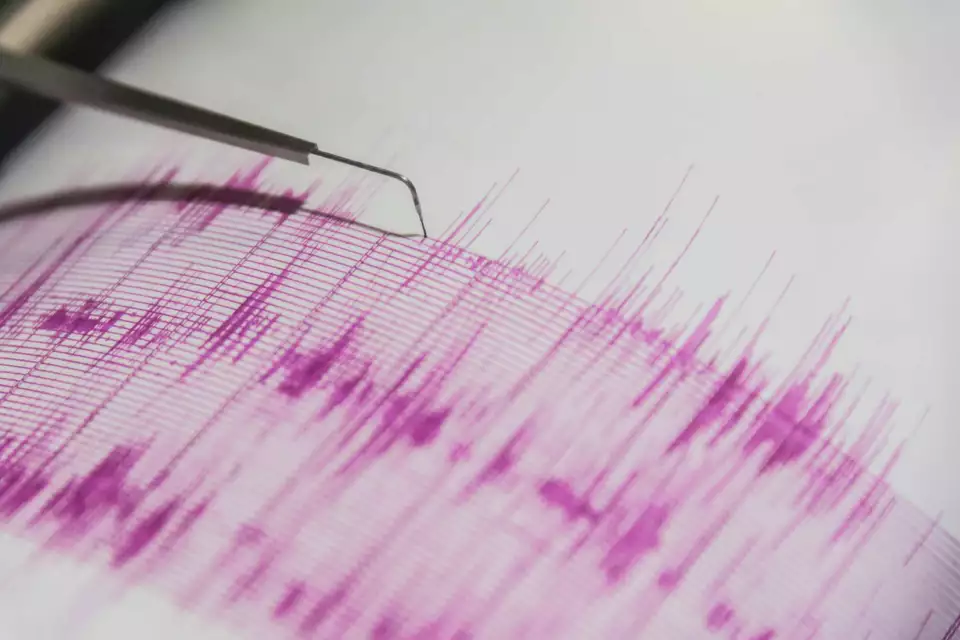

A 3.0 magnitude earthquake shook an area near the San Francisco Zoo on Saturday afternoon, followed almost immediately by two smaller aftershocks, according to preliminary data from the U.S. Geological Survey. The quake was reported at 4:39 p.m. on April 25, with its center located about two miles south-southwest of the zoo, near the city’s Pacific coastline.
The shaking was light, but the timing and location quickly drew attention across San Francisco. The first quake was followed by a 2.0 magnitude aftershock at 4:40 p.m. and a 2.7 magnitude aftershock at 4:41 p.m., creating a short sequence of tremors in the same coastal area. All three events were recorded at shallow depths, with the main quake measured at about 4.3 miles below the surface.
No injuries or damage were immediately reported after the quake sequence. Still, residents in parts of San Francisco described a brief jolt or quick movement, the kind of shaking that can be noticeable even when the magnitude is relatively low. Earthquakes above about magnitude 2.5 are often felt by people near the epicenter, especially when they occur close to the surface.
The USGS data placed the first aftershock at a depth of about 4.1 miles, while the second was recorded at roughly 4.3 miles. Shallow earthquakes can feel sharper than deeper ones because the energy has less distance to travel before reaching the surface. That does not automatically mean they are dangerous, but it can make a small quake feel more sudden to people nearby.
San Francisco and the wider Bay Area are no strangers to minor seismic activity. The region sits within one of the most closely watched earthquake zones in the United States, shaped by the movement of major fault systems, including the San Andreas Fault. Small quakes are common in Northern California and are often recorded without causing any disruption.
Saturday’s quake was not strong enough to suggest widespread risk, but it offered another reminder of why earthquake awareness remains part of daily life in California. A magnitude 3.0 event is considered minor and typically does not damage buildings, roads or utilities. The bigger concern for residents is not an event of this size, but whether households are prepared for a stronger quake in the future.
For that reason, emergency officials and earthquake experts regularly urge people to keep basic supplies ready, including water, flashlights, batteries, first-aid items and essential medications. Securing heavy furniture, checking emergency plans and knowing where to take cover during shaking are simple steps that can reduce risk when a larger earthquake occurs.
The quick aftershocks near the zoo were also consistent with normal earthquake behavior. After a fault slips, the surrounding rock can continue adjusting, producing smaller tremors minutes, hours or even days later. In this case, the aftershocks happened within two minutes of the initial quake, and both remained below magnitude 3.0.
The location also made the event notable for local residents. The San Francisco Zoo sits close to the city’s western edge, near Ocean Beach and the Pacific Ocean. A quake centered just offshore or near the coastal zone can be felt in nearby neighborhoods even when it is too small to cause visible damage.
There was no initial word of any impact at the zoo itself, and no public reports indicated problems involving animals, visitors or staff. The shaking was brief, and normal activity across the area appeared to continue after the tremors passed.
People who felt the quake can report their experience through the USGS “Did You Feel It?” system, which helps scientists map how strongly an earthquake was felt in different communities. Those reports are useful because shaking can vary widely from one neighborhood to another depending on soil conditions, building types and distance from the epicenter.
Residents can also monitor official earthquake information through the U.S. Geological Survey earthquake program, which tracks seismic activity across the country and provides updates on magnitude, depth and location. Preliminary readings can change as scientists review more data, so early figures are sometimes revised.
While Saturday’s quake did not cause reported harm, it briefly put earthquake safety back into focus for the Bay Area. A small tremor can be easy to dismiss once the shaking stops, but it is also a practical reminder to check emergency kits and family plans before a more serious event occurs.
For now, the April 25 earthquake near the San Francisco Zoo appears to have been a minor seismic event with limited impact. The main quake and two aftershocks were short, shallow and closely grouped, but there were no immediate reports of damage or injury. Monitoring agencies will continue to track the area for any additional activity.
You may like: Baton Rouge Mall Shooting: 1 Dead, 5 Injured; Teen Arrested

Make Swikblog your go-to source on Google for reliable updates, smart insights, and daily trends.