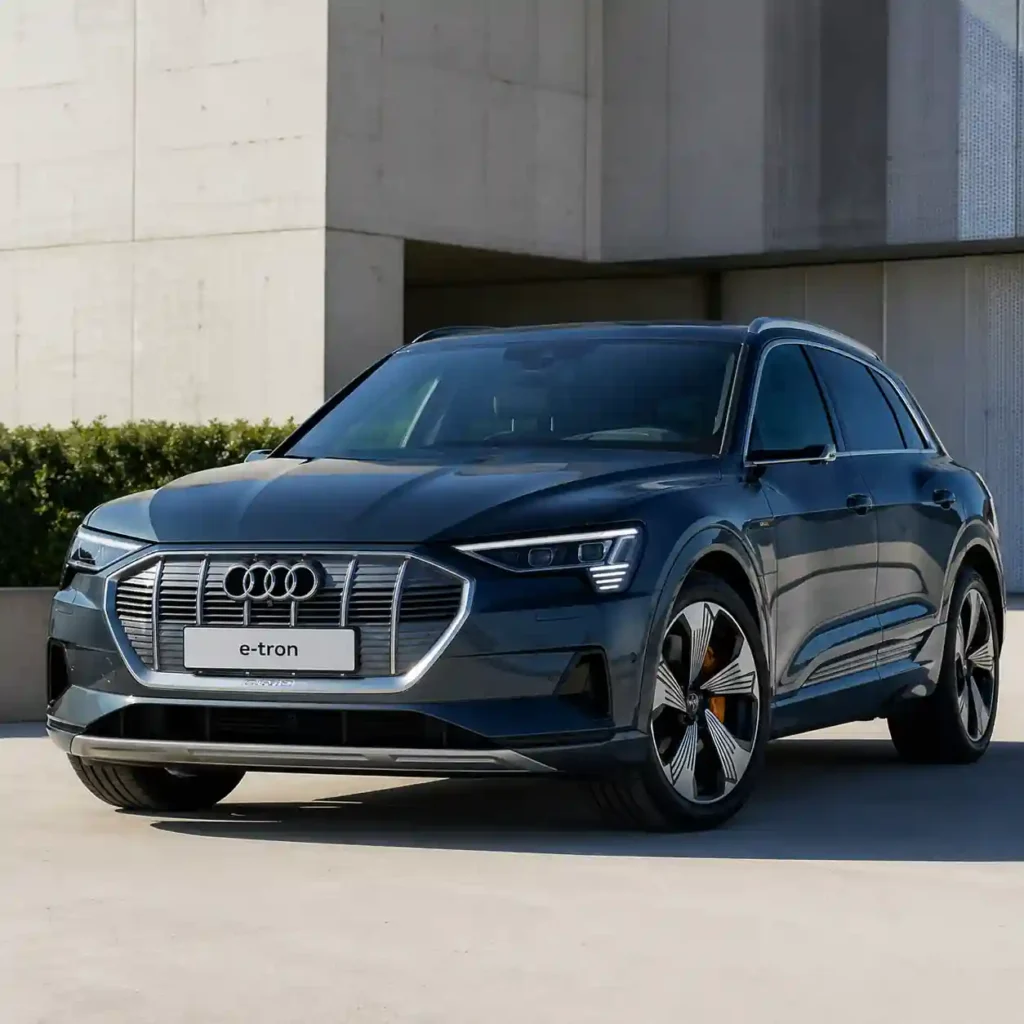

Audi has widened a safety recall involving nearly 19,000 electric SUVs in the United States after federal filings linked the vehicles to a potentially serious brake pedal defect. The campaign affects 18,853 vehicles, including the 2019–2024 Audi e-tron and the 2020–2024 Audi e-tron Sportback.
The concern is not a software warning, dashboard glitch, or minor trim issue. It involves a physical connection inside the braking system. According to recall documents filed with the National Highway Traffic Safety Administration, a screw connection between the brake pedal input rod and the brake booster actuator rod may not have been tightened properly during production.
If that connection loosens over time, the driver may begin to notice unusual brake pedal behavior. If it separates completely, normal braking may no longer be available through the pedal. That raises the risk of a crash, particularly in traffic, at intersections, or during sudden stops where immediate braking response is essential.
Which Audi E-Tron Models Are Included?
The recall covers two electric SUV lines from Audi’s earlier EV push. The affected population includes 14,102 Audi e-tron SUVs from model years 2019 through 2024, along with 4,751 Audi e-tron Sportback vehicles from model years 2020 through 2024.
These vehicles were sold as premium electric SUVs, positioned around comfort, performance, technology, and everyday usability. That makes the nature of this recall especially sensitive for Audi, because braking reliability is one of the most basic expectations for any vehicle, regardless of price, powertrain, or brand reputation.
The defect is tied to the brake booster assembly. In simple terms, the brake pedal must remain securely linked to the mechanism that helps transfer and amplify braking force. If the screw connecting those parts is not correctly secured, the system may not respond as intended when the driver presses the pedal.
Warning Signs Owners Should Watch For
Audi says drivers may get some warning before a complete failure occurs. One possible symptom is an unusual noise after applying and releasing the brake pedal. Another is the pedal failing to return normally to its original position.
Those signs should not be ignored. A brake pedal that feels abnormal, makes new noises, or does not return properly can point to a mechanical issue that needs immediate inspection. In the worst case described in the recall filing, braking would only be possible by using the emergency braking function if the connection fully separates.
Audi says owners should consult the vehicle owner’s manual for guidance on the emergency braking function. Still, that system is not a substitute for normal service braking in daily driving. The safest step for owners is to have the recall repair completed as soon as they are notified or confirm their vehicle is affected.
Why The Recall Was Expanded
This latest action follows an earlier Audi recall issued in August 2024. That previous campaign covered about 1,453 vehicles and was based on supplier and production data available at the time.
Audi later reviewed additional field parts and found more vehicles may have been built with the same type of improper screw connection. That discovery led the company to expand the recall population significantly, bringing the total number of affected U.S. vehicles in the latest campaign to 18,853.
The issue has been traced to a deviation at a supplier screwdriving station. According to federal recall documents, the supplier is AUMOVIO Germany GmbH, based in Frankfurt am Main, Germany. The filing states that a malfunction in the production plant could have caused the screw connection to be performed outside manufacturing specifications.
For drivers, the technical source of the problem matters less than the practical risk: a small fastening error can create a major safety concern if it affects the connection between the brake pedal and the brake booster.
How Audi Plans To Fix The Problem
The repair is expected to be straightforward. Audi dealers will inspect the screw connection and torque it correctly where needed. If related brake components are found to be damaged, dealers will replace them as required.
The repair will be performed free of charge for affected owners. Audi has said it is not aware of crashes, injuries, or fatalities related to this defect, which is an important point for consumers evaluating the risk. However, the absence of reported injuries does not make the recall minor. Brake-related defects are treated seriously because failure can quickly become dangerous.
Owners do not need to wait for symptoms before taking action. Once recall notices are issued, affected drivers should schedule service with an authorized Audi dealer. Vehicle owners can also check their recall status through the NHTSA recall lookup tool using their VIN.
The recall arrives at a time when automakers are under growing pressure to prove that electric vehicles can match or exceed traditional vehicles on safety and reliability. EVs often draw attention for batteries, range, charging speeds, and software, but this case is a reminder that core mechanical systems remain just as important.
For Audi, the issue is also reputational. The e-tron family helped establish the brand’s presence in the luxury EV segment, and a braking-related recall can attract close attention from both regulators and owners. Expanding the recall may be uncomfortable, but it also shows the company is acting on newly identified production data rather than leaving potentially affected vehicles outside the campaign.
For more updates on electric vehicle recalls, auto safety issues, and industry developments, visit Swikblog’s auto and EV coverage.
The key message for Audi e-tron owners is simple: this recall should be taken seriously. If the vehicle is included, the repair is free, the fix is relatively simple, and delaying service is not worth the risk when the issue involves braking performance.
You may like: Toyota RAV4 Recall Over Seat Weld Defect Raises New Safety Concerns

Make Swikblog your go-to source on Google for reliable updates, smart insights, and daily trends.