
Bauhaus Brew Labs is preparing to pour its final beers in Northeast Minneapolis, closing a major chapter in Minnesota’s craft beer story after nearly 12 years of business.
The brewery, known for its German-style beers, large industrial taproom and deep ties to the local arts and music scene, confirmed that it will end operations in late June. The decision follows a long stretch of financial pressure that the company said became too difficult to overcome, even after changing parts of its business and searching for new revenue.
The closure is not just another local business shutdown. Bauhaus was one of the breweries that helped define the modern Twin Cities beer boom. When it opened in 2014, craft beer was expanding rapidly across Minnesota, and Northeast Minneapolis was becoming one of the region’s most active taproom districts. Bauhaus quickly became part of that identity.
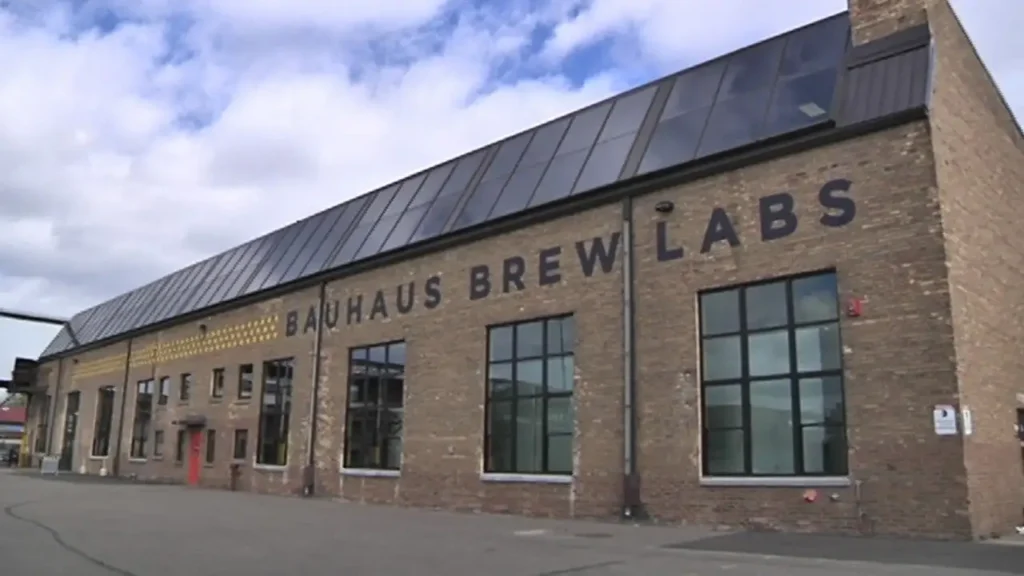
Located inside the historic Crown Iron Works building at 1315 Tyler Street NE, the brewery built a loyal following with beers such as Wonderstuff Pilsner and a taproom that became a regular stop for beer fans, artists, musicians and neighborhood residents. Its spacious setting made it one of the more recognizable brewery spaces in Minneapolis.
But the market that helped Bauhaus rise has changed sharply. The brewery said it faced a mix of rising supply-chain costs, shifting consumer preferences, pandemic-related disruption and pressure across the hospitality industry. In its farewell message, Bauhaus said it had worked to reduce expenses, grow revenue and find a sustainable path forward, but the financial challenges remained too large.
The company also pointed to the impact of increased federal immigration enforcement in Minneapolis, saying the activity affected local hospitality businesses and reduced economic activity in the city. For restaurants, bars and taprooms that depend on steady foot traffic, even a short-term drop in customer activity can create serious stress when margins are already thin.
Bauhaus did not stand still while those pressures built. The brewery expanded beyond its original beer lineup and moved into hard seltzers, THC beverages and non-alcoholic drinks. It also pursued co-packing work and made upgrades to its taproom. Those efforts reflected a larger industry shift, as breweries across the country try to reach consumers who are drinking less traditional craft beer.
That shift has become one of the biggest challenges for independent brewers. The Brewers Association has reported declining craft beer production in the U.S., showing that the slowdown is not limited to one city or one brand. Beer makers are now competing with canned cocktails, spirits, THC drinks, non-alcoholic beverages and changing habits among younger consumers.
For Bauhaus, diversification helped show that the company understood the market was moving. But new drink categories can be expensive to scale, and they do not always replace the reliable taproom and distribution revenue that craft breweries once counted on. Rising costs for ingredients, packaging, labor, rent and utilities have made that balancing act even harder.
The closure also reflects a wider shakeout in Minnesota’s brewery scene. Several breweries and distilleries across the state have closed or reduced operations over the past year, including HeadFlyer Brewing, LynLake Brewery, Wild Mind Ales, Hoops Brewing, Alloy Brewing, Invictus Brewing, Waconia Brewing, Schram Haus Brewery and J. Carver Distillery. Fair State Brewing Cooperative also closed its taproom while continuing brewing operations.
Those closures show how much the industry has changed since the early craft beer boom. A decade ago, opening a taproom in a strong neighborhood could bring rapid growth and strong community loyalty. Today, breweries need more than good beer and a busy event calendar. They need strong cost discipline, flexible product lines, distribution opportunities and a clear reason for customers to keep coming back.
Swikblog has also covered how alcohol producers in other markets are facing similar pressure from taxes, costs and weaker demand, including this report on Canada’s alcohol tax relief extension for brewers. Bauhaus’ situation fits into that larger story of an industry being forced to reset after years of expansion.
Bauhaus will remain open through June, giving customers one final chance to visit the taproom before the doors close. The brewery still plans to host its Art-A-Whirl celebration, The Electric Zoo, and will hold a final farewell weekend from June 26 through June 28. That event will also mark the brewery’s 12-year anniversary.
Read More
The company’s final message carried a strong note of gratitude, especially toward its employees and longtime supporters. Bauhaus credited its staff, customers, artists and community partners for shaping the brewery’s identity over more than a decade.
For Northeast Minneapolis, the loss will be felt beyond beer. Bauhaus was part of the neighborhood’s cultural rhythm — a place where people gathered before concerts, met friends after work, celebrated local art and watched the craft beer scene grow around them.
The area will still remain an important brewery district. Indeed Brewing, Broken Clock Brewing Cooperative, Padraigs Brewing and 56 Brewing continue to operate nearby, while Dangerous Man Brewing is preparing a comeback in the former HeadFlyer Brewing space on East Hennepin Avenue.
Still, Bauhaus’ exit carries weight because of its size, history and place in the Twin Cities craft beer boom. Its closure shows that even established breweries with strong branding and loyal customers are not immune to the new economics of the beer business.
When Bauhaus closes at the end of June, Minneapolis will lose more than a taproom. It will lose one of the breweries that helped turn Northeast Minneapolis into a destination for craft beer, music and community gatherings. For many longtime fans, the final weekend will feel less like a business closing and more like the end of an era.

Make Swikblog your go-to source on Google for reliable updates, smart insights, and daily trends.