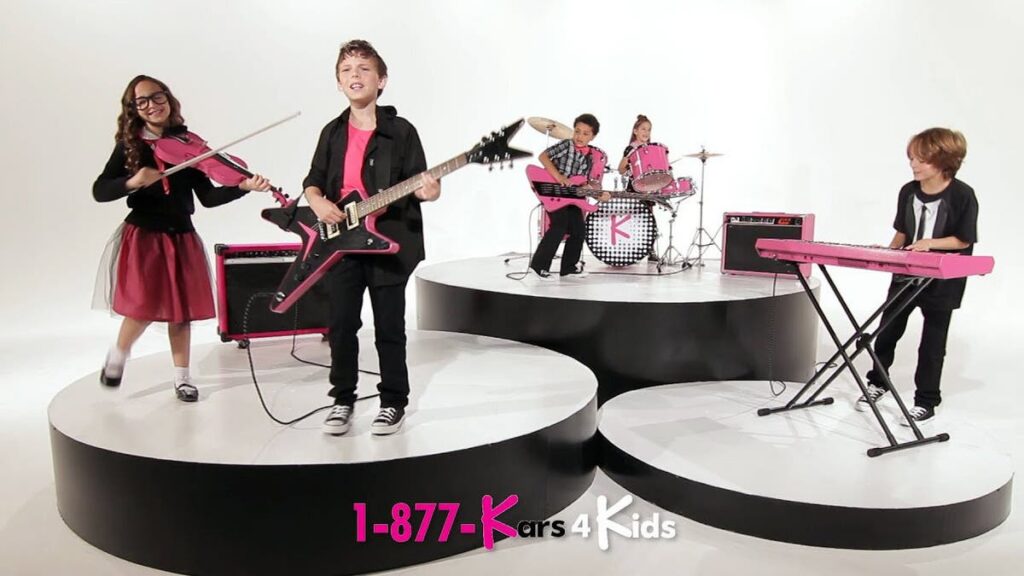

One of America’s most familiar charity jingles has been pulled into a much larger debate over donor trust. A California court has ordered Kars4Kids to stop airing its current ads in the state after finding that the charity’s famous vehicle-donation campaign gave donors a misleading impression about where their money would go.
The ruling does more than silence a tune that many radio listeners could recognize within seconds. It raises a sharper question for anyone who has ever donated a car, clothes, cash, or household items after hearing an emotional charity appeal: did the advertisement clearly explain who would actually benefit?
Kars4Kids built its name through heavy radio and television advertising, asking people to donate used vehicles through its memorable “1-877-Kars4Kids” campaign. The ads generally presented the charity as helping children, but the California case centered on whether donors were clearly told enough about the organization’s religious affiliation, its connection to Oorah, and the location and nature of the programs supported by the donations.
California ruling turns a famous ad into a donor transparency case
The case was brought by California resident Bruce Puterbaugh, who donated a nonworking 2001 Volvo after hearing the charity’s ads. He said he believed his donation would help children in need broadly, including children in California. The court later found that the ads could leave donors with a misleading impression because they did not clearly explain that much of the money supported programs connected to Oorah, an Orthodox Jewish nonprofit largely associated with activities outside California.
According to reporting from The Guardian, the judge ordered Kars4Kids to stop using non-compliant ads in California unless future advertising includes clearer disclosures about the organization’s religious affiliation, where beneficiaries are located, and who the programs actually serve.
That distinction matters because charity advertising often works through broad emotional signals. A smiling child, a catchy jingle, or a simple call to donate can create a strong impression even when the fine details are left for later. In this case, the court’s concern was not only what the ads said, but what they allegedly failed to make clear before donors made a decision.
Kars4Kids has defended its work and argued that information about its mission is publicly available. The charity has also indicated that it plans to appeal the California ruling. But the decision has already placed the organization’s fundraising model under renewed scrutiny, especially because its ads have reached audiences far beyond one state.
Read More
- Visit Swikblog Homepage
- Ebola Outbreak in Congo: 65 Deaths, 246 Suspected Cases
- Smoking Monkey Pizza Files Chapter 11 Bankruptcy After Store Closure
- Texas Roadhouse New Texas Locations 2026: Full List of Cities
- Toronto FIFA Fan Festival Tickets: World Cup 2026 Free Pass Release
- Belfast March for Jesus: No Israeli or UK Flags
A bigger warning for charity advertising
The California decision could become important beyond Kars4Kids because it focuses on the overall impression created by an advertisement. For charities, that means a message can face legal risk even when some details are available elsewhere, if the main ad leaves ordinary donors with a different understanding of the mission.
Reports around the case have highlighted questions about how much donor money went to Oorah-linked programs, how much was spent on advertising, and whether California donors were given a clear picture of the limited local benefit. Those questions are especially sensitive for car-donation charities because many donors are not giving spare change; they are handing over vehicles that may still carry real financial value.
The case also arrives at a time when nonprofit fundraising is increasingly shaped by aggressive digital ads, emotional videos, and repeated broadcast campaigns. Many donors give quickly, often after seeing or hearing a short appeal. The Kars4Kids ruling suggests courts may expect charities to make key facts clear inside the advertisement itself, rather than relying on donors to search for details later.
For the public, the controversy is less about one jingle and more about the promise behind it. People who donate to charities usually want to know that their gift is reaching the cause they had in mind. When the cause is described broadly as helping children, courts may now ask whether the ad also needs to explain which children, where they are, and what kind of programs the money supports.
The Kars4Kids jingle may be remembered for being catchy, but the California ruling has turned it into something more serious: a test of how transparent charities must be before asking the public to give.

Make Swikblog your go-to source on Google for reliable updates, smart insights, and daily trends.