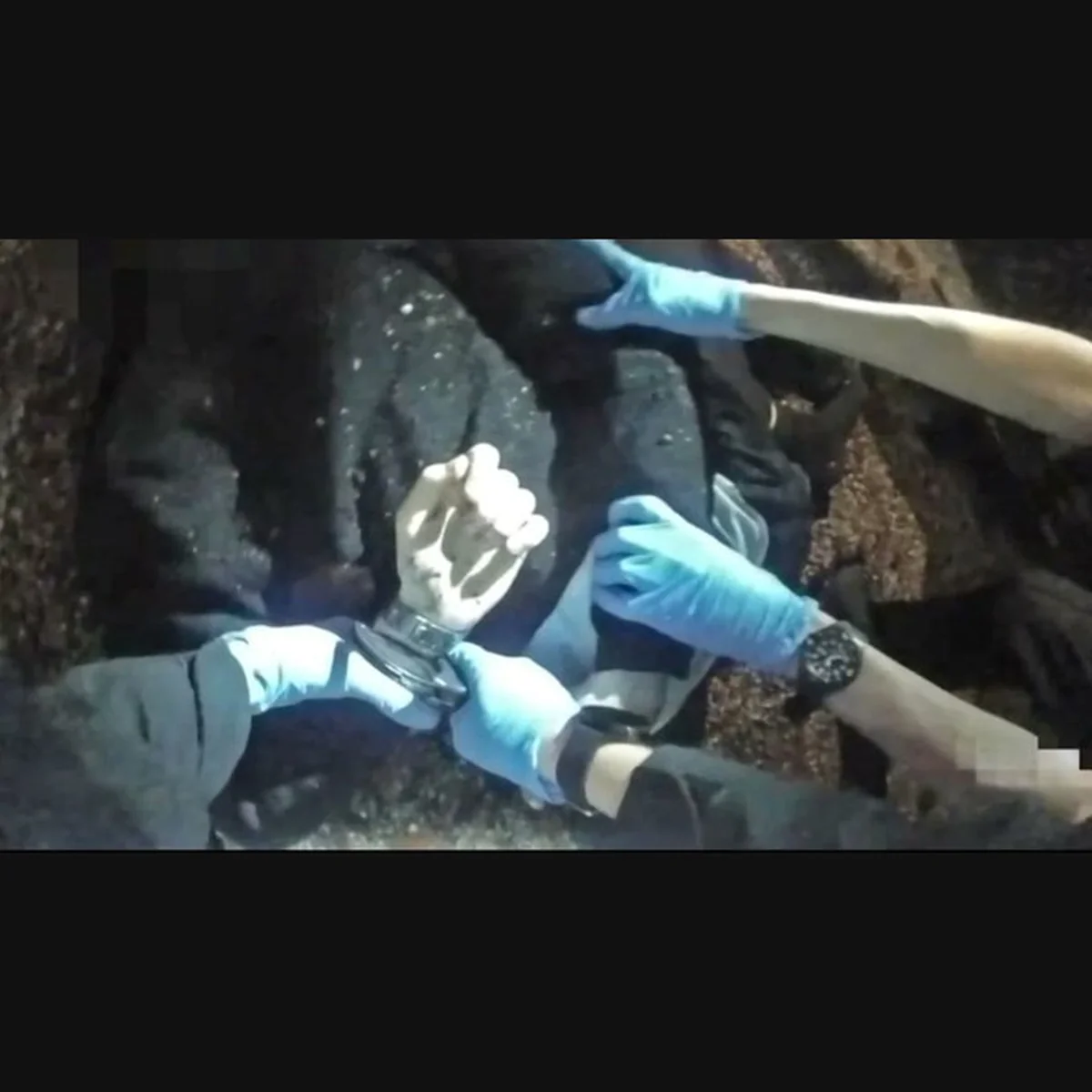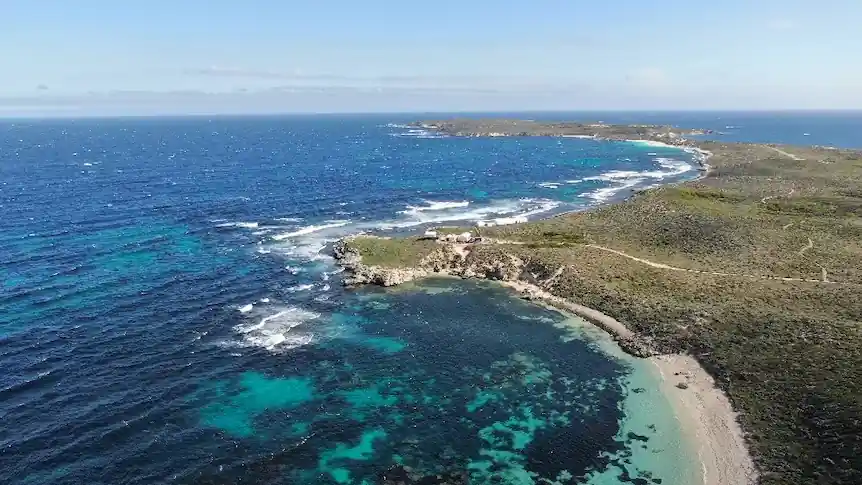

A serious shark attack at Rottnest Island has left a man in his 30s fighting for life after he was bitten at Geordie Bay, one of the island’s most visited beach areas off the coast of Perth.
The incident happened shortly before 10am on Saturday, according to initial emergency reports. St John WA confirmed the man was in a critical condition after the attack, while the RAC rescue helicopter was sent to Rottnest Island to transfer him to hospital for urgent treatment.
Authorities have not yet released the man’s name, the full extent of his injuries, or the species of shark involved. Those details are expected to become clearer as emergency services and marine safety officials continue their response.
The location of the attack has made the incident especially confronting for locals and visitors. Geordie Bay is not an isolated stretch of coastline. It is a well-known part of Rottnest Island’s northern side, used by families, swimmers, snorkellers and boaters. The official Rottnest Island tourism website describes Geordie Bay as one of Wadjemup’s largest beaches, with space for visitors to spend the day by the water.
Rottnest Island, also known as Wadjemup, sits around 19 kilometres west of Fremantle and is one of Western Australia’s best-known tourist destinations. The island is popular for its beaches, cycling routes, marine life and quokkas, drawing large numbers of day-trippers and holidaymakers from Perth and beyond.
Emergency response after Geordie Bay shark attack
The attack triggered a rapid emergency response because of the victim’s critical condition and the island’s offshore location. Serious medical incidents on Rottnest often require helicopter evacuation, as patients needing advanced trauma care must be moved quickly to mainland hospitals.
The RAC rescue helicopter’s deployment suggests emergency crews treated the incident as life-threatening from the beginning. In shark attack cases, the first priority is usually to control bleeding, stabilise the patient and arrange the fastest possible transport to hospital.
Officials have not confirmed whether the man was swimming, snorkelling or taking part in another water activity when the attack occurred. It is also not yet clear whether nearby beaches were closed immediately after the incident, though visitors are generally advised to stay out of the water after a serious shark encounter until authorities complete safety checks.
Western Australia’s SharkSmart alert system provides official updates on shark sightings, tagged shark detections, warnings and beach safety information. For anyone on Rottnest Island or along the Perth coastline, checking official alerts is more reliable than relying on unverified posts or rumours circulating online.
The state also uses Beach Emergency Numbers signage at coastal access points, including Rottnest Island, to help emergency services identify exact locations faster. SharkSmart says these signs provide a unique code and location details that can improve response times when someone calls for help near the water.
Why the Rottnest Island location matters
Geordie Bay is closely linked with recreation and tourism, which is why the attack is likely to receive strong public attention. Many visitors know the area as a calm-looking holiday beach, but it remains part of a wider Indian Ocean marine environment where sharks and other large marine species are naturally present.
That does not mean every beach visit is dangerous. Shark attacks remain rare when compared with the number of people who enter Australian waters each year. But rare does not mean impossible, and Western Australia has a long history of serious shark incidents, particularly around open ocean, reef and offshore island environments.
Read More
- Visit Swikblog Homepage
- Ebola Outbreak in Congo: 65 Deaths, 246 Suspected Cases
- Smoking Monkey Pizza Files Chapter 11 Bankruptcy After Store Closure
- Texas Roadhouse New Texas Locations 2026: Full List of Cities
- Toronto FIFA Fan Festival Tickets: World Cup 2026 Free Pass Release
- Belfast March for Jesus: No Israeli or UK Flags
Until authorities confirm more details, it would be wrong to speculate about the species involved. In WA waters, serious shark attacks have previously involved species such as white sharks, tiger sharks and bull sharks, but official confirmation is needed before any link can be made in this case.
The attack also comes at a time when shark safety is already a sensitive issue across Australian beaches. Swikblog has recently reported on related coastal safety concerns, including Sydney beaches being closed after shark activity near a whale carcass and a shark alert linked to a warning system failure at Claytons Beach in Wanneroo.
For beachgoers, the practical advice remains simple but important: check official shark alerts before entering the water, avoid swimming alone, stay close to shore, do not enter the ocean near schools of fish or animal carcasses, and be cautious around dawn or dusk when visibility is lower.
Visitors to Rottnest Island should also follow directions from police, rangers, lifeguards and emergency services. If beaches are closed or warnings are issued, those instructions should be treated seriously, even if the water appears calm.
For now, the focus remains on the injured man’s condition and the work of emergency crews who responded at Geordie Bay. More information is expected from authorities as they assess the incident, identify the circumstances of the attack and determine whether further safety measures are needed around Rottnest Island.

Make Swikblog your go-to source on Google for reliable updates, smart insights, and daily trends.