
World Bee Day 2026 will be observed globally on Wednesday, 20 May 2026, with the official theme “Bee Together for People and the Planet: A Partnership That Sustains Us All.” The annual United Nations observance highlights the critical role bees and other pollinators play in food production, biodiversity, sustainable agriculture and environmental balance.
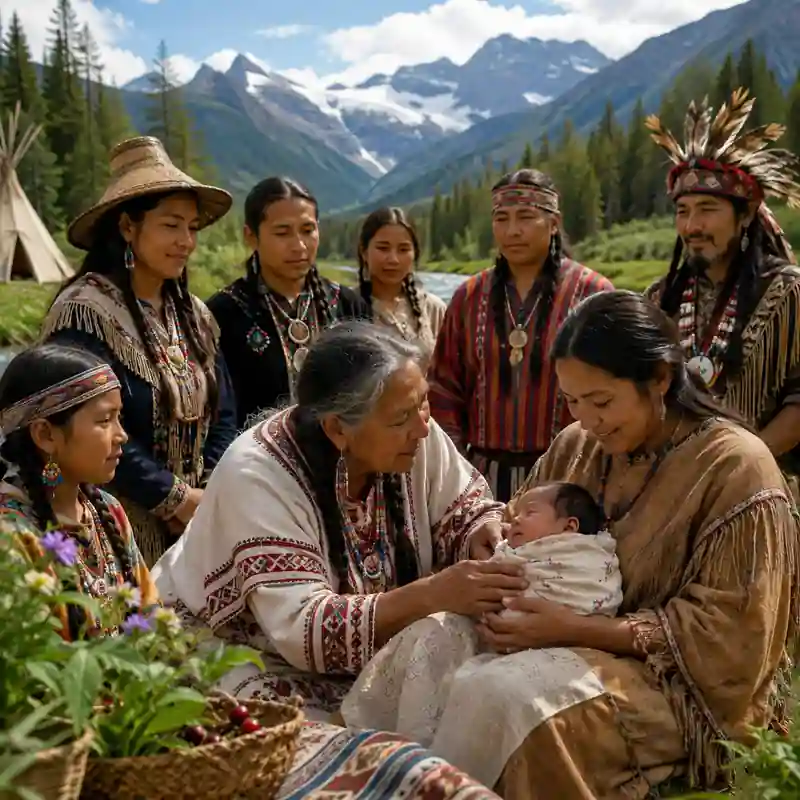
The theme for 2026 focuses on the long relationship between humans and bees across cultures and communities. According to the Food and Agriculture Organization (FAO), this year’s campaign will emphasize how traditional beekeeping knowledge, modern innovation and sustainable practices can work together to support pollinator health, improve livelihoods and strengthen global food systems.
World Bee Day was officially established by the United Nations General Assembly in 2017 following a proposal from Slovenia. The observance takes place every year on 20 May to honour Anton Janša, the 18th-century Slovenian beekeeper who is considered one of the pioneers of modern apiculture. The first official celebration was held in 2018.
Official details and campaign resources for the observance are available on the FAO World Bee Day page.
Why bees are more important than most people realize
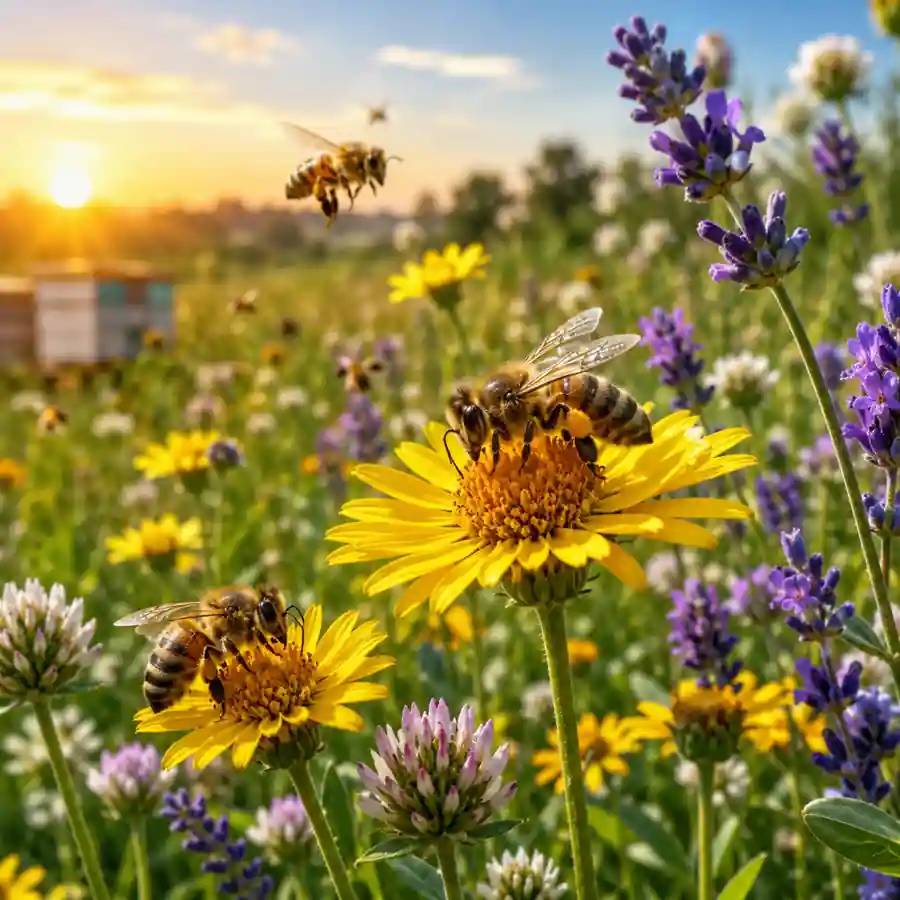
Bees are among the most important pollinators on Earth. Their work directly supports food production and healthy ecosystems. Pollination happens when bees transfer pollen between flowers, helping plants reproduce and produce fruits, vegetables, nuts and seeds.
Scientists estimate that more than 75% of the world’s food crops depend at least partly on pollinators. Foods such as apples, almonds, blueberries, cucumbers, coffee and chocolate rely heavily on bee pollination. Without bees, food production would become less stable, prices could rise and biodiversity would decline.
Beyond agriculture, bees also support forests, wildflowers and habitats that sustain birds, insects and wildlife. Pollinators are deeply connected to ecosystem health, making their survival essential not only for farming but also for nature itself.
The importance of pollinators is also linked to wider environmental awareness campaigns discussed in Swikblog’s coverage of Important International Days in May 2026.
Read More
The major threats facing bees in 2026
Despite their importance, bee populations around the world continue to face serious challenges. Climate change, habitat destruction, pesticide exposure, pollution, parasites and disease are among the biggest reasons for pollinator decline.
One major concern is habitat loss. Urbanization, deforestation and large-scale monoculture farming reduce the number of wildflowers and nesting areas available to bees. Many pollinators struggle to survive when diverse flowering plants disappear from landscapes.
Pesticides, especially neonicotinoid chemicals, have also become a major concern among scientists and environmental organizations. Research has shown that some pesticides can affect bees’ navigation systems, memory, reproduction and immunity.
Climate change is creating additional pressure. Rising temperatures, droughts, floods and irregular flowering seasons can disturb the natural relationship between bees and plants. If flowers bloom too early or too late, bees may struggle to find enough food sources.
Parasites such as the Varroa mite continue to threaten honey bee colonies globally. These mites weaken bees and spread harmful viruses, making colony survival more difficult for beekeepers.
According to environmental studies highlighted during recent World Bee Day campaigns, several bee species have already shown significant population decline in North America and Europe over recent decades.
What the 2026 theme really means
The message “Bee Together for People and the Planet” is designed to remind people that protecting pollinators requires cooperation at every level. Farmers, gardeners, governments, scientists, schools, local communities and consumers all have a role to play.
The 2026 campaign particularly highlights sustainable beekeeping and the economic importance of pollinators in rural communities. In many countries, beekeeping supports family incomes through honey, beeswax and pollination services.
The theme also recognizes the role of women and young people in modern beekeeping systems and sustainable agriculture. FAO says the campaign aligns closely with the International Year of Rangelands and Pastoralists 2026 and the International Year of the Woman Farmer 2026.
Modern technology is becoming increasingly important in beekeeping as well. Digital hive monitoring, disease tracking systems and sustainable farming practices are helping improve bee health and productivity while reducing environmental harm.
How people can celebrate World Bee Day 2026
World Bee Day is not only about awareness. It is also about practical action. Even small steps can help protect pollinators and improve local biodiversity.
One of the simplest ways to support bees is by planting pollinator-friendly flowers such as lavender, sunflowers, rosemary and wildflowers. Gardens, balconies and community spaces filled with flowering plants can provide food and shelter for pollinators.
Reducing pesticide use is another important step. Experts recommend avoiding harmful chemical sprays, especially during flowering periods when bees are active.
People can also support local beekeepers by buying natural honey and sustainably produced bee products. Creating bee-friendly spaces with water sources and nesting areas can further help local pollinator populations.
Schools and organizations often mark World Bee Day with educational events, honey exhibitions, tree-planting drives, pollinator workshops and awareness campaigns on social media using hashtags such as #WorldBeeDay and #SaveTheBees.
Environmental groups in several regions are also promoting “No Mow May” campaigns, encouraging people to avoid mowing lawns during May so wildflowers can grow naturally and provide food for pollinators.
World Bee Day 2026 ultimately serves as a reminder that bees are not just small insects producing honey. They are essential partners in global food security, sustainable agriculture and environmental health. Protecting pollinators today means protecting the future of ecosystems, farming and human life itself.

Make Swikblog your go-to source on Google for reliable updates, smart insights, and daily trends.