
New York lawmakers and Gov. Kathy Hochul’s administration have reached a major agreement to overhaul parts of the state’s controversial Tier 6 pension system, a move that could allow public school teachers to retire at age 58 after completing 30 years of service instead of waiting until 63.
The proposal, which is expected to be included in the final state budget, would impact more than 830,000 public employees statewide and cost an estimated $557 million annually. The agreement represents one of the biggest pension policy changes in New York since Tier 6 was introduced in 2012 for newly hired government workers.
Tier 6 has long faced criticism from unions and public employees because it requires workers to contribute more toward retirement benefits while also increasing the years needed to qualify for full pension payments. Education unions, including the United Federation of Teachers and New York State United Teachers, have spent years lobbying Albany for changes, arguing the current system has made it harder to recruit and retain teachers.
Teachers could retire five years earlier
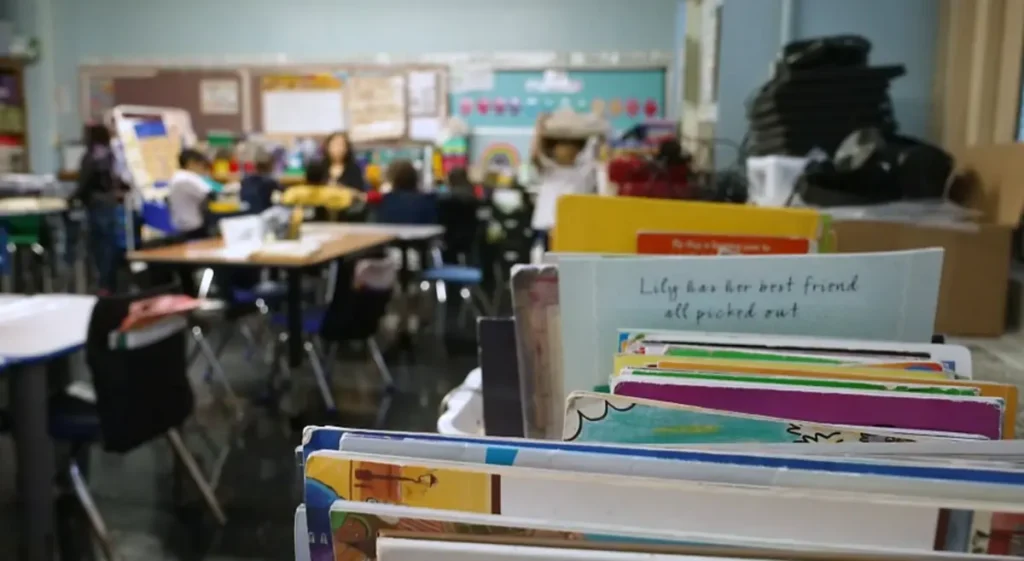
The biggest change in the proposal directly affects public school teachers. Under current rules, Tier 6 teachers generally receive full retirement benefits at age 63. The new agreement would lower that age to 58 for educators who complete 30 years of service.
Union leaders had originally pushed for retirement eligibility at age 55, but lawmakers ultimately settled on 58 as part of a broader compromise. UFT President Michael Mulgrew praised the deal while signaling that unions would continue pushing for additional reforms in future legislative sessions.
According to reporting from Times Union, the agreement also includes lower employee contribution rates for many state and local government workers. Contributions would fall into a range between 3% and 5.75% depending on salary levels.
The proposal would also increase overtime limits used to calculate pension benefits. For members of the Police and Fire Retirement System, the overtime cap would rise from 15% of wages to 25%. For other public employees, including corrections officers and sheriffs, the overtime calculation cap would increase from roughly $22,000 to $30,000.
Read More
Why the pension changes are controversial
Supporters of the changes argue that public-sector agencies across New York are struggling to fill open positions as younger workers increasingly avoid government careers. Labor groups say better retirement benefits are necessary to keep experienced workers in classrooms, correctional facilities and municipal agencies.
Critics, however, warn the agreement could place additional financial pressure on local governments and school districts already dealing with rising expenses. Of the estimated $557 million yearly cost, roughly $118 million would come from the state while local governments and school districts would cover around $440 million.
The current compromise is significantly smaller than an earlier union-backed proposal that carried a projected annual cost of $1.5 billion.
The final legislative language is still expected to be released, but the Tier 6 agreement already represents a major political victory for unions that have spent years pushing Albany to revisit the 2012 pension reforms.
For more retirement and workforce coverage, read Swikblog’s report on Dave Ryan’s retirement after 33 years in Minneapolis radio.

Make Swikblog your go-to source on Google for reliable updates, smart insights, and daily trends.