
China’s coal industry is again under intense scrutiny after a deadly gas explosion at the Liushenyu coal mine in Shanxi province left at least 82 people dead and nine others missing, according to reports citing Chinese state media. The accident happened on Friday evening in Qinyuan County, part of Changzhi city, in one of the country’s most important coal-producing regions.
The blast was reported at around 7:29 p.m. local time, when hundreds of workers were inside the underground mine. Early updates from state media first placed the death toll far lower, with Xinhua initially reporting eight deaths and dozens trapped. Later reports, including AFP-based updates carried by international outlets, said the number of confirmed fatalities had climbed sharply to 82 as rescuers reached more sections of the mine.
At the time of the accident, about 247 miners were working underground. Officials said 201 workers had been brought to the surface by early Saturday, while rescue teams continued searching for those still unaccounted for. The rapid change in the casualty figure shows how difficult underground rescue operations can become after a gas explosion, especially when tunnels are damaged and air quality becomes unsafe.
One of the biggest concerns for rescuers has been toxic gas inside the mine. Reports said carbon monoxide levels had exceeded safety limits after the explosion. Carbon monoxide is especially dangerous because it is colorless and odorless, making it hard for trapped workers to detect without monitoring equipment. In enclosed mine tunnels, even a short exposure can become life-threatening.
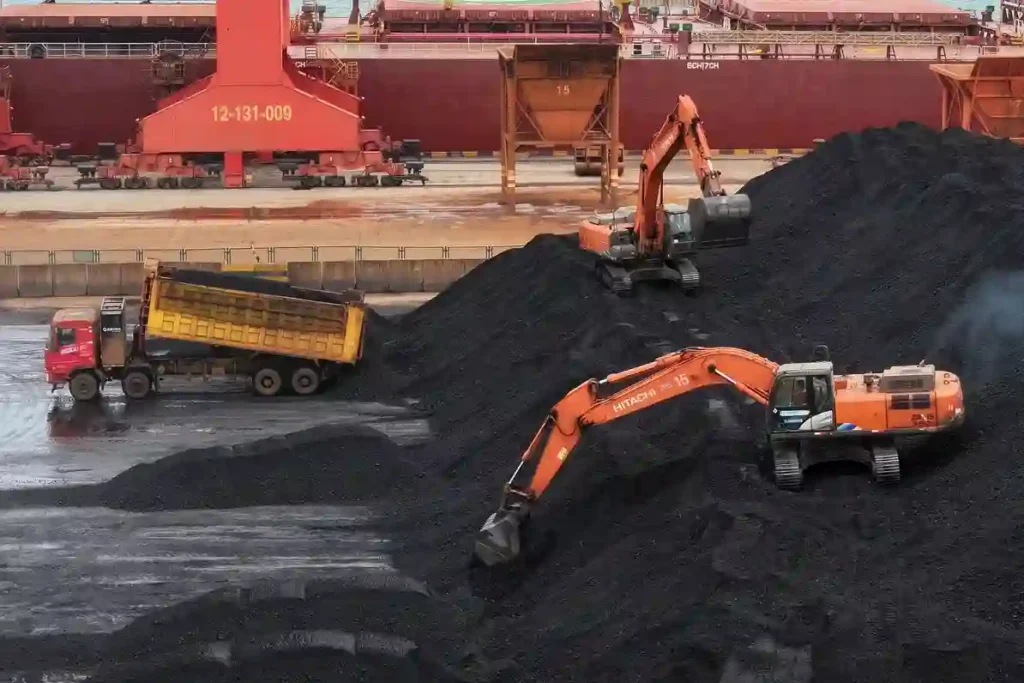
The accident took place at the Liushenyu coal mine in Shanxi, a province often described as the backbone of China’s coal supply. Shanxi produced around 1.3 billion tons of coal last year, close to one-third of China’s total output, according to reporting from the Associated Press. That scale explains why coal mining in the province remains central to China’s energy security, even as the country expands solar, wind and electric vehicle investment.
Chinese President Xi Jinping has called for an all-out rescue effort and a full investigation into the cause of the blast. Officials have also said a person in charge of the company involved has been taken into custody in accordance with the law, a sign that investigators are looking closely at possible failures in safety management, monitoring or emergency response.
Gas explosions remain one of the most serious hazards in underground coal mining. Methane can build up in poorly ventilated sections of a mine, while explosions can also release or spread toxic gases through tunnels. After a blast, rescuers often have to deal with damaged passages, unstable ground, blocked ventilation and the risk of secondary incidents.
China has made progress in reducing mine deaths compared with the early 2000s, when large fatal accidents were more common. But deadly incidents still occur, particularly in older mines or areas under pressure to maintain production. The Shanxi disaster will likely renew questions over whether safety checks were strong enough before the explosion and whether gas monitoring systems gave adequate warning.
The human cost is now the center of the story. Families of missing miners are waiting for news while emergency crews continue working through dangerous underground conditions. The confirmed death toll has already made the Liushenyu explosion one of China’s worst coal mine accidents in years, and the final number could still change if the remaining missing workers are found.
Read More
- Visit Swikblog Homepage
- Noosa Marathon road closures as 9,000 runners take part
- Ontario couple loses $90,000 in Scotiabank fraud case
- Olive Garden sister chain closes Capital Grille location
- Rob Base dies at 59: ‘It Takes Two’ legacy remembered
- Charlotte Truck Race postponed during Kyle Busch tribute weekend
Industrial safety has become a wider concern across heavy industry, from mining to chemical plants and refinery operations. Swikblog recently reported on another workplace safety case involving South32’s Worsley Alumina refinery worker death in Western Australia, where investigators also examined the circumstances around a fatal incident at an industrial site.
For China, the Liushenyu mine disaster lands at a sensitive moment. The country is trying to balance energy security, economic growth and cleaner power goals, but coal remains deeply embedded in its power system. That dependence means safety failures in coal-producing regions such as Shanxi carry national importance, not only for energy supply but also for worker protection and public trust.
Authorities are expected to release more details as rescue and investigation work continues. For now, the Liushenyu coal mine blast stands as a grim reminder that underground coal production remains one of the most dangerous parts of the global energy economy, especially when toxic gas, deep tunnels and high production pressure come together.

Make Swikblog your go-to source on Google for reliable updates, smart insights, and daily trends.