
Japan is facing a fresh urban wildlife alert after Utsunomiya, a city north of Tokyo, suspended all 94 of its municipal primary and middle schools following an unprecedented black bear sighting.
The decision was taken after a bear was reported inside the city for the first time on record, turning what began as a local safety concern into a wider reminder of Japan’s growing struggle with bear encounters near populated areas.
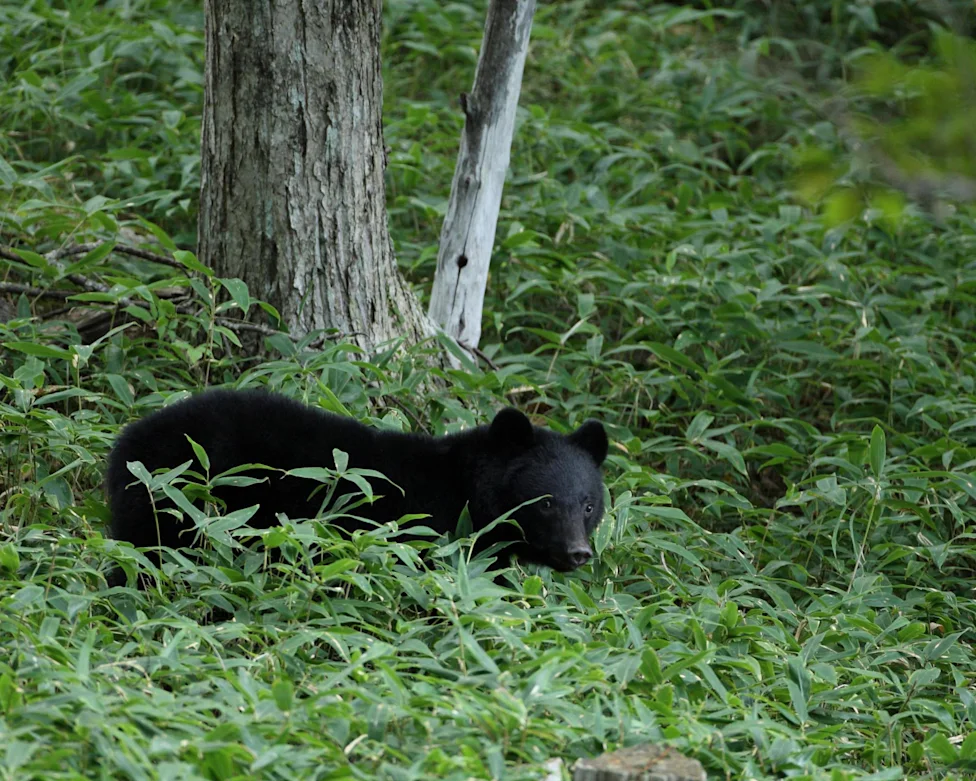
Utsunomiya, home to roughly half a million people and located about 100 kilometers north of Tokyo, is not a city where residents expect to see a bear moving through neighborhoods. Officials said the animal, believed to be a medium-sized Asiatic black bear around one meter long, was first seen near a park on Saturday evening.
The concern deepened after further sightings over the next two days. Security footage showed the bear running through the city center in the early hours of Sunday, passing close to two startled young men. It was later seen in residential areas during the day, before another sighting was reported in a factory district about two kilometers from the city center early Monday morning.
With the animal still at large, city officials moved to keep children away from possible danger by suspending classes across all 94 schools. Residents were told to keep doors and windows locked, avoid approaching the bear, and enter the nearest building immediately if they saw it. Public address vehicles were also sent through neighborhoods to warn people, while police and members of the local hunting association continued the search.
Why Japan Is Seeing More Bears Near People
The Utsunomiya case stands out because bear sightings have usually been concentrated farther north and in more rural areas. This year, Japan has reported a record 50,000 bear sightings, showing how quickly the issue is expanding beyond traditional bear habitats.
Recent incidents have added to public concern. A Russian hiker was injured by a bear in Okutama, on the western edge of the Tokyo metropolitan area, while another bear was seen in Hachioji. In Fukushima, a bear recently injured several people and entered a company office before moving into a factory, where it was believed to have escaped by opening a window from inside.
Experts say several changes are pushing bears closer to towns and cities. Poor harvests of acorns, beechnuts and other staple foods can leave bears searching for food outside forests. Rural depopulation has also made some areas quieter, while abandoned farmland can create easier routes between mountains and neighborhoods. Climate pressures and declining hunting activity are also being discussed as possible factors.
Japan’s Environment Ministry has been working with local governments on wildlife management and safety responses. Readers can find official environmental and conservation information through the Japan Ministry of the Environment.
Asiatic black bears on Honshu are estimated to number between 12,000 and 42,000. The larger brown bears live mainly in Hokkaido, where males can reach about two meters in length and weigh up to 400 kilograms. Their population is estimated at around 12,000.
Read More
The movement of wildlife into populated areas is not unique to Japan. Similar encounters have been reported elsewhere, including a recent case involving a black bear found sleeping high in a New Jersey tree, highlighting how animal sightings are increasingly occurring in places where residents least expect them.
For Utsunomiya residents, the first bear sighting in city history has become a warning that Japan’s bear problem is moving closer to everyday urban life. Authorities are now focused on locating the animal safely while preventing injuries and restoring normal school operations.

Make Swikblog your go-to source on Google for reliable updates, smart insights, and daily trends.