
Kyle Busch’s sudden death at 41 has brought renewed attention to a medical emergency many people have heard of but may not fully understand: pneumonia sepsis. His family said a medical evaluation found that severe pneumonia progressed into sepsis, causing rapid and overwhelming complications.
The statement has left NASCAR fans mourning one of the sport’s most successful drivers while also raising questions about how a respiratory infection can become life-threatening so quickly. Busch was a two-time NASCAR Cup Series champion and one of the most accomplished racers in American motorsport history, with 234 wins across NASCAR’s top three national series.
What is pneumonia sepsis?
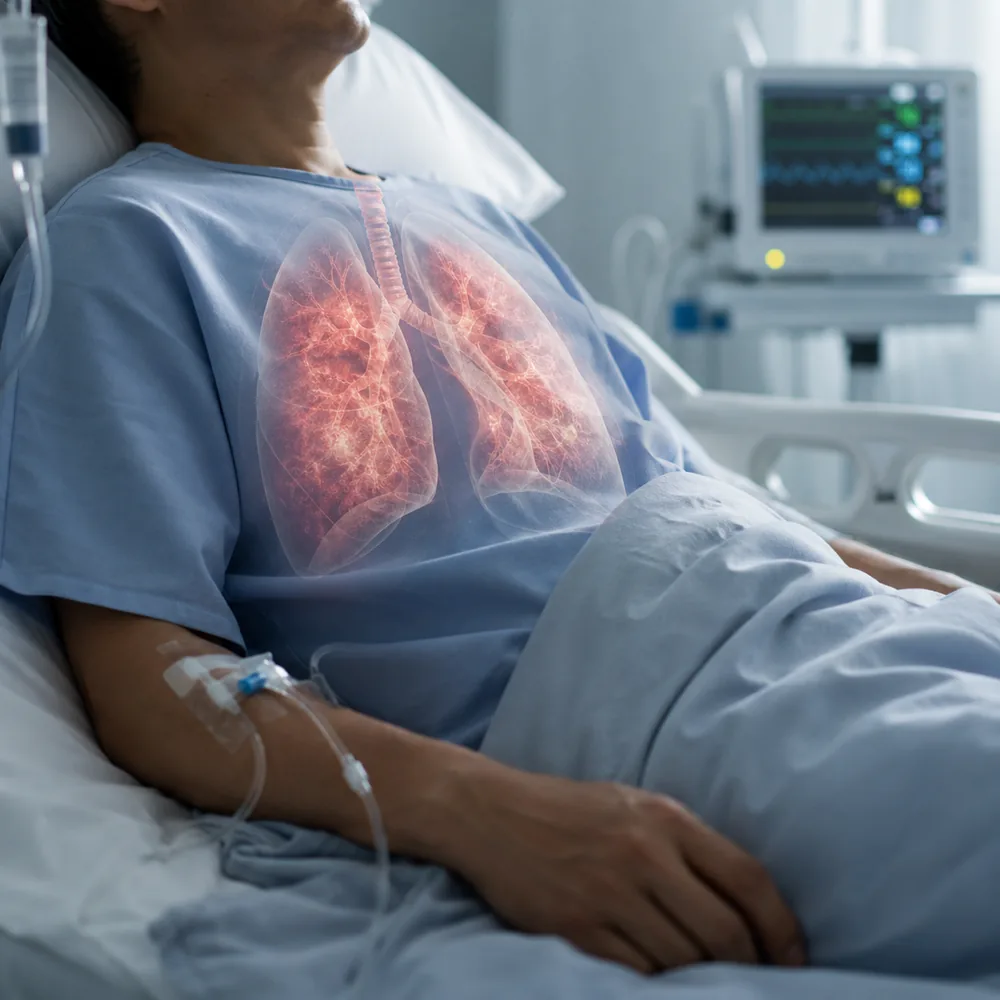
Pneumonia sepsis is not a separate disease, but a dangerous chain of events. Pneumonia is an infection in the lungs. It can be caused by bacteria, viruses or fungi, and in severe cases it can spread beyond the lungs or trigger an extreme immune response.
Sepsis happens when the body’s response to an infection becomes uncontrolled. Instead of only fighting the infection, the immune system can begin damaging the body’s own tissues and organs. The Centers for Disease Control and Prevention describes sepsis as a life-threatening medical emergency that requires urgent care.
When pneumonia leads to sepsis, the infection or inflammatory response can affect breathing, blood pressure, circulation and organ function. In the most serious cases, patients can deteriorate quickly, even if they appeared active or functional shortly before becoming critically ill.
Busch’s family said the medical evaluation concluded that severe pneumonia progressed into sepsis and resulted in rapid complications. The family has asked for privacy as they grieve.
Kyle Busch’s death puts focus on a fast-moving condition
Busch had recently been expected to compete during one of NASCAR’s biggest weekends at Charlotte Motor Speedway. Reports said he had been hospitalized with a severe illness before his family later confirmed the cause of death.
The news shocked the racing world because Busch had remained active in competition. He recently won a Truck Series race at Dover and competed in the All-Star race before his health worsened. That timeline has made the family’s update even more striking for fans who saw him as one of NASCAR’s toughest and most relentless competitors.
Medical experts generally warn that sepsis can move quickly. Warning signs may include trouble breathing, confusion, extreme weakness, fever, chills, rapid heartbeat, clammy skin or symptoms that suddenly become worse during an infection. Coughing blood, severe shortness of breath or collapse should be treated as an emergency.
Busch’s death also comes as NASCAR prepares to honor him. Drivers are expected to carry a black No. 8 decal on their cars, a tribute to the number he drove with Richard Childress Racing.
For NASCAR, Busch’s legacy is secure. He was a champion, a record-setter and a driver whose intensity made him impossible to ignore. For many readers, his family’s statement is also a reminder that pneumonia and sepsis can become dangerous with frightening speed, making early medical attention critical when an infection suddenly worsens.

Make Swikblog your go-to source on Google for reliable updates, smart insights, and daily trends.