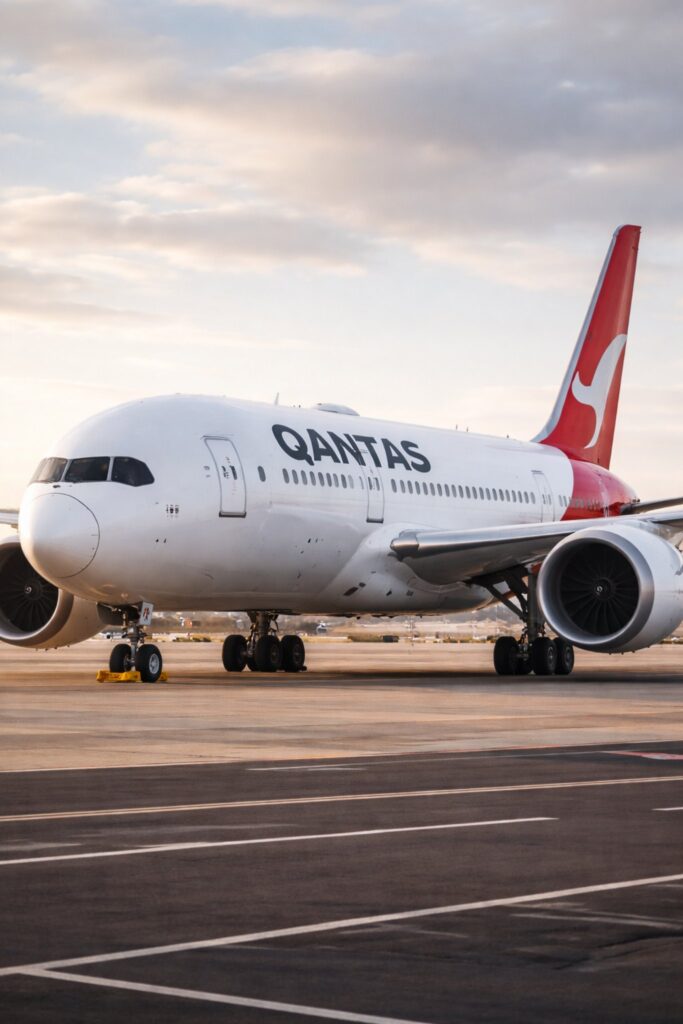

Qantas’ plan to reshape long-haul travel with direct flights from Australia’s east coast to London and New York has been pushed further down the runway, after Airbus confirmed a fresh delay to the first aircraft built for the airline’s Project Sunrise program.
The aircraft at the centre of the plan is the Airbus A350-1000ULR, a specially modified long-range jet designed to fly for about 22 hours without stopping. Qantas had expected the first aircraft to arrive by the end of 2026, but the delivery is now expected in April 2027. That change is likely to move the launch of the first commercial Project Sunrise flights from early 2027 to later that year.
Project Sunrise is not a routine fleet upgrade. It is the most visible part of Qantas’ wider $15 billion investment program and one of the most closely watched aviation projects in the world. The airline wants to connect Sydney and Melbourne directly with London and New York, removing the need for passengers to stop in hubs such as Singapore, Dubai, Doha or Abu Dhabi.
For travellers, the attraction is simple: fewer stops and shorter total journey times. Qantas expects the nonstop routes to cut travel by up to four hours on some journeys, a major selling point for premium passengers and business travellers who value time and convenience.
Airbus delay tests Qantas’ ultra-long-haul strategy
Airbus has pointed to supply chain problems as the main reason for the revised schedule. The aircraft maker has been dealing with pressure across its production system, with global shortages and manufacturing bottlenecks continuing to affect delivery timelines across the aviation industry.
The delay is another reminder that airlines are still exposed to problems that began during the pandemic, when aircraft production, parts supply and certification work were disrupted. Qantas first promoted Project Sunrise in 2017, but the plan was later paused as COVID-19 hit global aviation demand and manufacturing capacity.
The airline confirmed its order for 12 A350-1000 aircraft in 2022. According to Qantas’ official announcement, the aircraft were selected to open nonstop routes from Australia to major cities including London and New York.
Qantas is still expected to receive later aircraft in quick succession after the first delivery. The company has indicated that the broader schedule could recover by November 2027, when the fifth Project Sunrise aircraft is expected to join the fleet.
The aircraft itself has been designed around extreme range and premium demand. The A350-1000ULR will carry fewer passengers than some existing long-haul aircraft, but Qantas is giving a larger share of the cabin to first class, business class and premium economy. Around 41% of seating will be premium, compared with about 29% on the airline’s A380.
That premium-heavy layout is important because ultra-long-haul flights are expensive to operate. Qantas is betting that passengers will pay more for direct services, especially on routes where avoiding a stopover can save time and reduce travel fatigue.
Why investors still care about Project Sunrise
For Qantas, Project Sunrise could become a long-term earnings driver rather than just a marketing headline. Analysts have estimated that the full 12-aircraft program could add about $400 million in annual earnings before interest and tax once all aircraft are operating.
Read More
The delay arrives as airlines are also dealing with higher fuel costs. Qantas has warned that fuel expenses could rise sharply, even with hedging in place. Swikblog recently covered how fuel pressure is already affecting Qantas’ broader flight strategy, showing why newer and more efficient aircraft remain important for the airline’s future network.
The A350’s two-engine design also gives Qantas a cost advantage over older four-engine aircraft such as the A380. That matters on routes lasting nearly a full day, where fuel efficiency and cabin mix can decide whether a service becomes profitable or remains a prestige project.
Despite the latest setback, Qantas shares rose 5.76% to $9.18, suggesting investors still see Project Sunrise as a valuable asset rather than a cancelled opportunity. The bigger question is whether Airbus can keep the revised delivery schedule on track as global airlines compete for new aircraft.
For now, Qantas remains the only airline committed to the A350-1000ULR at this scale. Other international carriers are watching closely, but the Australian airline still has a chance to lead the next phase of ultra-long-haul flying — just later than planned.

Make Swikblog your go-to source on Google for reliable updates, smart insights, and daily trends.