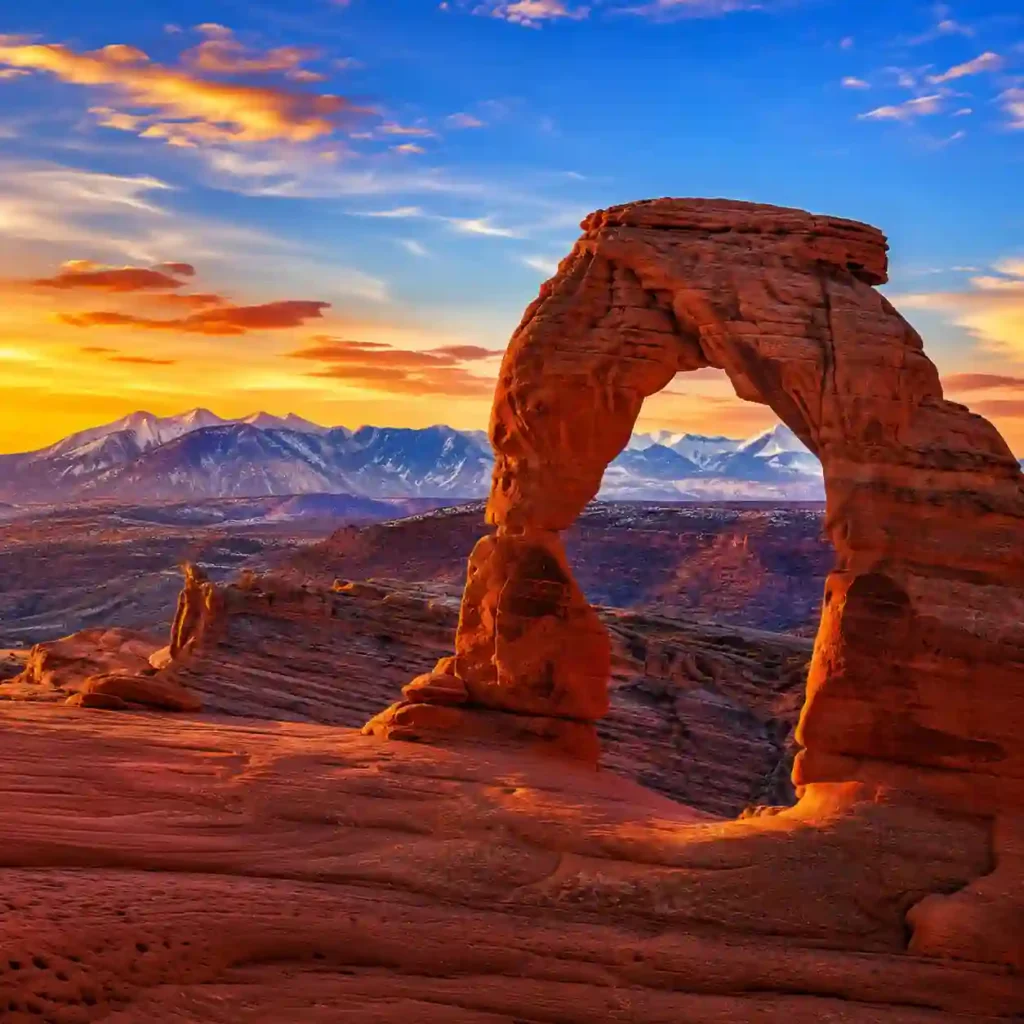

National Utah Day 2026 will be observed on May 31, giving Americans a moment to recognize the history, culture and natural beauty of the Beehive State. The day is not Utah’s official statehood anniversary, but it has become a modern observance dedicated to the state’s identity, communities and contribution to the United States.
Utah officially became the 45th state of the United States on January 4, 1896. National Utah Day, marked each year on May 31, was created as part of the National Day Calendar’s state-focused observances, which highlight each state in the order it joined the Union. Readers looking for official historical background can refer to Utah’s state history resource on Utah’s 1896 statehood.
Why National Utah Day matters
Utah’s story begins long before statehood. The region has deep Indigenous roots, including Ute, Paiute, Goshute, Shoshone and Navajo communities. The name Utah is widely linked to the Ute people, often associated with the meaning “people of the mountains.” These Native histories remain central to understanding the state beyond its modern borders and tourism image.
A major turning point came in July 1847, when Brigham Young and Mormon pioneers entered the Salt Lake Valley. Their arrival shaped settlement patterns, agriculture, religion and community life across the region. In 1850, the Utah Territory was formally organized, covering a much larger area than the present-day state before its boundaries were gradually reduced.
Another defining moment came in 1869 at Promontory Summit, where the Golden Spike Ceremony marked the completion of the first transcontinental railroad. That event helped connect the American West with the rest of the country and strengthened Utah’s place in national history.
Utah is known as the Beehive State, a nickname tied to industry, cooperation and hard work. The beehive symbol reflects a public identity built around community effort and shared responsibility. Readers interested in a related awareness topic can also read Swikblog’s article on World Bee Day 2026 and why bees matter for people and the planet.
Read More
Landscapes, culture and ways to celebrate
National Utah Day also celebrates the state’s remarkable landscapes. Utah is home to Zion, Bryce Canyon, Arches, Canyonlands and Capitol Reef National Parks, along with the Great Salt Lake, Bonneville Salt Flats, Monument Valley and the Wasatch Range. Its desert skies and low light pollution have also made parts of the state popular for stargazing and night-sky tourism.
The state has also produced notable figures in science, entertainment, sport and innovation, including television pioneer Philo Farnsworth, ice-resurfacing machine inventor Frank Zamboni, Atari founder Nolan Bushnell and singer Marie Osmond. These names show that Utah’s contribution is not limited to scenery or pioneer history.
People can mark National Utah Day 2026 by learning about Utah’s Indigenous communities, reading about its statehood journey, exploring its national parks responsibly, visiting a museum, supporting local businesses or sharing a meaningful Utah travel memory. For families and classrooms, May 31 offers a simple way to study the American West through one state’s layered story.
National Utah Day 2026 is ultimately a reminder that Utah is more than a destination. It is a state shaped by Native heritage, pioneer settlement, railroad history, outdoor adventure, innovation and communities that continue to define America’s Beehive State.