
A viral X post about World Cup 2026 ticket prices has turned one family’s alleged Houston experience into a wider argument over fan affordability, FIFA pricing and the rising cost of attending major football events in the United States.
The post was shared by verified X user Matthias Schmidt, who wrote that the “disgusting greed of the US and FIFA” had crushed his son’s dream of watching Germany play at a World Cup.
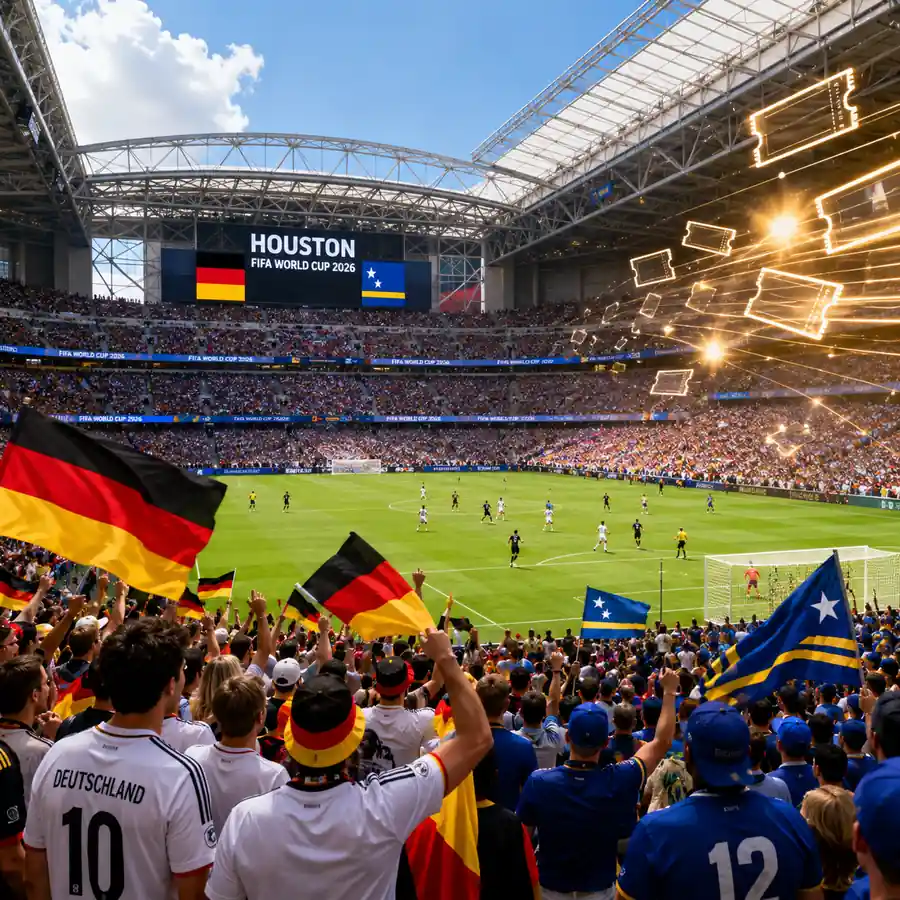
According to the post, his son had been saving for two years to see Germany play. Schmidt said they flew to Houston to buy tickets for Germany’s first match, only to be quoted $2,400 plus tip at a ticket booth.
“Tip?” he wrote, adding that he initially thought it was a joke. The post then claimed the booth told him a mandatory 25% tip was not included. Schmidt said the total came to $3,000, with the question: “Cash or card?”
In the post’s most emotional lines, Schmidt wrote that his son looked at him “with crying eyes” after being told they could not afford it. He quoted the child as saying: “But papa, we came such a long way.”
The claim has not been independently verified, and several users on X challenged whether a mandatory tip would apply to ticket sales. But the post spread because it touched a real frustration already building around the 2026 tournament: fans fear the World Cup is becoming too expensive for ordinary supporters.
Disgusting greed of the US and FIFA crushed my son’s dreams
— Matthias Schmidt (@eurofounder) June 14, 2026
He was saving for two years to see Germany play in a World Cup
Yesterday we flew to Houston to purchase tickets for the first match
“That will be $2,400 plus tip” we heard in a ticket booth
“Tip?” I was sure this is…
Raw reaction shows anger, doubt and wider anxiety over ticket prices
The replies quickly split between sympathy and disbelief. One user wrote simply: “Welcome to the US.” Another challenged the story, saying: “This is not true in the slightest.” Schmidt replied: “Tell that to my son who is currently crying in a motel room.”
Another user asked: “Why would you travel all this way not knowing ticket prices?” Schmidt responded that he knew the ticket prices but did not know about a mandatory 25% tip and a 3% veteran support fee.
A more sympathetic reply said the experience was “incorrect” and “inappropriate,” adding that they had never tipped when buying tickets to any function. The same user suggested watch parties as an alternative for fans unable to buy stadium tickets.
Schmidt then replied that he was afraid to attend such events because of potential gun violence and did not want to put his son in danger.
FIFA 2026 faces a bigger affordability problem
The 2026 World Cup is already the largest edition of the tournament, with 48 teams and matches across the United States, Canada and Mexico. That scale has created huge demand, but it has also intensified scrutiny over ticket access, resale pricing and added fees.
Fans are not only looking at the face value of tickets. They are calculating flights, hotels, food, transport, parking, official resale fees and the uncertainty of last-minute availability. For international supporters, a single match can quickly become a multi-thousand-dollar trip.
That is why the Houston post gained attention beyond one alleged ticket-counter exchange. It captured a feeling many supporters already have: the tournament may be marketed as a global celebration, but the cost of entering the stadium can feel increasingly out of reach.
Interest in major World Cup matchups is already strong, with games such as USA vs Australia World Cup tickets drawing attention before the June 19 group-stage meeting in Seattle. That demand is exactly what makes ticket transparency so important for fans planning travel months in advance.
Official ticketing details remain available through FIFA’s ticketing portal, but the viral reaction shows that supporters want more than access. They want clear final prices before they spend money on travel, hotels and family plans.
The post may continue to be debated, especially because the tipping claim has not been verified. But the anger around it is real. World Cup 2026 is meant to bring football closer to more fans across North America. For many supporters watching this debate unfold, the central question is whether the tournament will feel like a public sporting festival or a premium event reserved for those who can absorb every added cost.

Make Swikblog your go-to source on Google for reliable updates, smart insights, and daily trends.