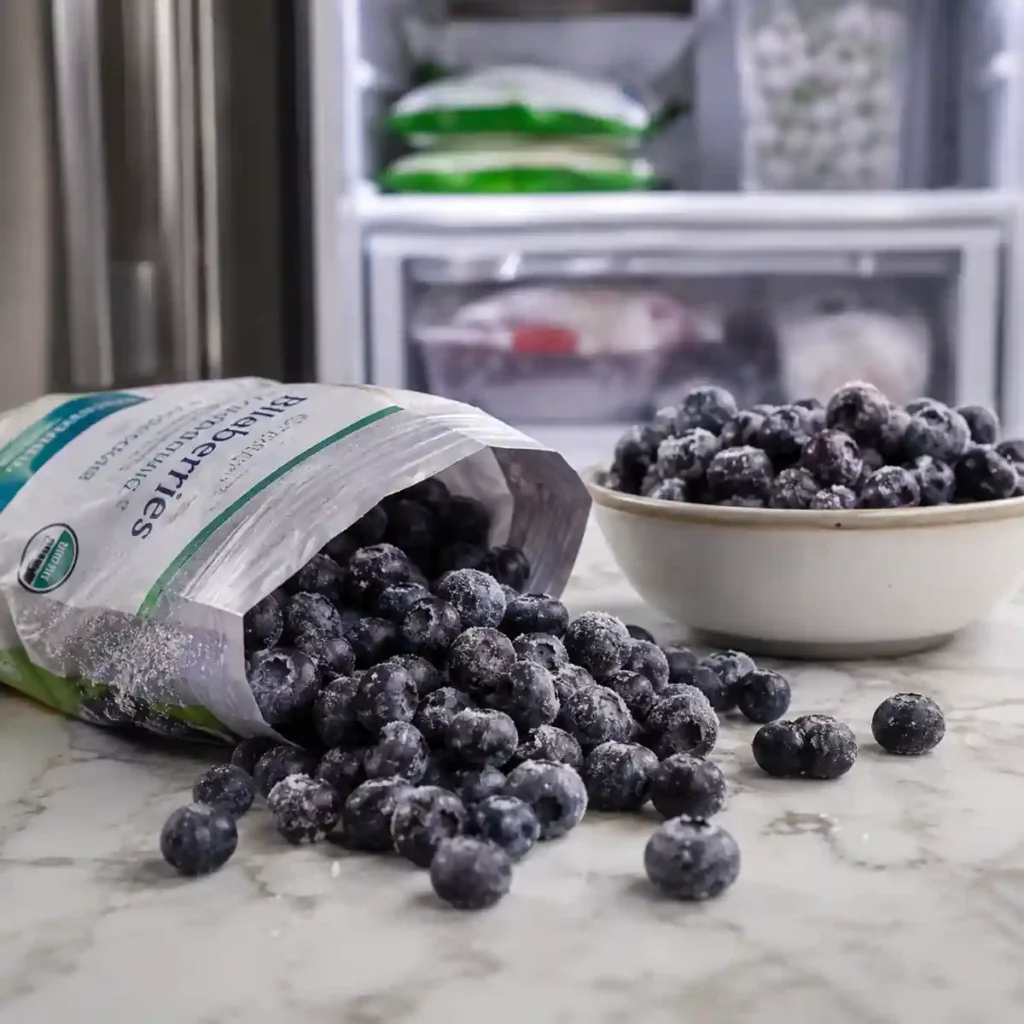

Americans who shop at Publix are being urged to check their freezers after a recall involving GreenWise frozen blueberries and mixed berries was placed in the U.S. Food and Drug Administration’s highest-risk category over possible E. coli O145:H28 contamination.
The expanded recall covers four GreenWise Organic frozen berry products sold through Publix stores in Alabama, Florida, Georgia, Kentucky, North Carolina, South Carolina, Tennessee and Virginia. Federal health officials have investigated 12 illnesses in Florida and Georgia, including four hospitalizations. No deaths had been reported in the FDA’s latest outbreak update.
The warning remains important because frozen fruit can stay in household freezers for months or even years, meaning consumers may still have recalled packages despite the recall beginning in July.
Which GreenWise blueberries are recalled?
Publix announced on July 29 that it was recalling all lots of these four products:
- Organic Whole Blueberries, 10 oz — UPC 41415-06453
- Organic Whole Blueberries, 48 oz — UPC 41415-12053
- Organic Whole Mixed Berries, 10 oz — UPC 41415-06753
- Organic Whole Mixed Berries, 48 oz — UPC 41415-12153
The phrase “all lots” is important. Consumers should not assume a package is safe simply because its lot number or best-by date differs from the product involved in the initial recall.
The outbreak investigation began after the Florida Department of Health notified the Centers for Disease Control and Prevention about a cluster of E. coli O145 illnesses. Illnesses began between May 11 and June 5.
According to the FDA, seven of nine people interviewed reported eating frozen blueberries, and five reported eating GreenWise organic frozen blueberries purchased from Publix.
How the recall expanded
On July 3, Chile-based Frutas y Hortalizas del Sur S.A. initially recalled a specific 10-ounce GreenWise Organic frozen blueberry product identified as Lot 6040 01, with a best-by date of February 9, 2028.
FDA enforcement information listed approximately 3,640 cases in that original recall action. The recall was subsequently classified as Class I, the FDA’s most serious classification.
A Class I classification is used when there is a reasonable probability that exposure to a recalled product could cause serious adverse health consequences or death. It does not mean everyone who consumes the product will become seriously ill, but it signals that the potential health consequences warrant immediate attention.
Publix later expanded the action to all lots of the four GreenWise products listed above. Frozen-food recalls can remain relevant long after products leave store shelves because packages may stay at home for extended periods. A separate frozen blueberry recall involving more than 55,000 pounds of fruit similarly highlighted the importance of checking older products stored at home.
Outshine Fruit Bars Recall 2026: What Consumers Need to Know
FDA Egg Recall 2026: Products Affected and Latest Safety Alert
E. coli symptoms consumers should know
E. coli O145:H28 is a Shiga toxin-producing E. coli, or STEC. Infection can cause severe stomach cramps, diarrhea that may become bloody, nausea, vomiting and fever. Symptoms may develop several days after exposure and can sometimes take up to nine days to appear.
Many otherwise healthy people recover within about a week, but some infections can cause hemolytic uremic syndrome (HUS), a serious complication that can damage the kidneys and potentially lead to kidney failure. Children under 5, adults over 65 and people with weakened immune systems can face greater risks of severe illness.
The FDA traced the implicated product to Frutas y Hortalizas del Sur S.A. in San Carlos, Chile, and conducted a remote regulatory assessment. Products from the company were also added to Import Alert 99-35. The FDA’s official frozen blueberry investigation remains the primary source for federal updates.
What should consumers do with recalled berries?
Anyone with one of the recalled GreenWise products should not eat, serve or sell it. Consumers should discard the berries or return them to Publix for a refund.
If berries were removed from their original packaging and their identity cannot be confirmed, the FDA advises consumers to discard them. Containers, freezer areas, utensils and preparation surfaces that contacted the berries should also be cleaned and sanitized to reduce possible cross-contamination.
Appearance, smell or taste cannot reliably establish whether food contains harmful bacteria. That concern also applies to other long-life freezer products, as illustrated by the Motor City Pizza Co. frozen food recall over Salmonella concerns.
Anyone who ate the recalled berries and develops symptoms consistent with E. coli infection should contact a healthcare provider and mention the possible exposure.
Consumers who need help identifying an affected product can contact Publix Customer Care at 800-242-1227, from 8:30 a.m. to 5 p.m. Eastern Time, Monday through Friday. With the initial recalled product carrying a best-by date extending into February 2028, checking stored frozen berries remains important while the federal investigation continues.

Make Swikblog your go-to source on Google for reliable updates, smart insights, and daily trends.