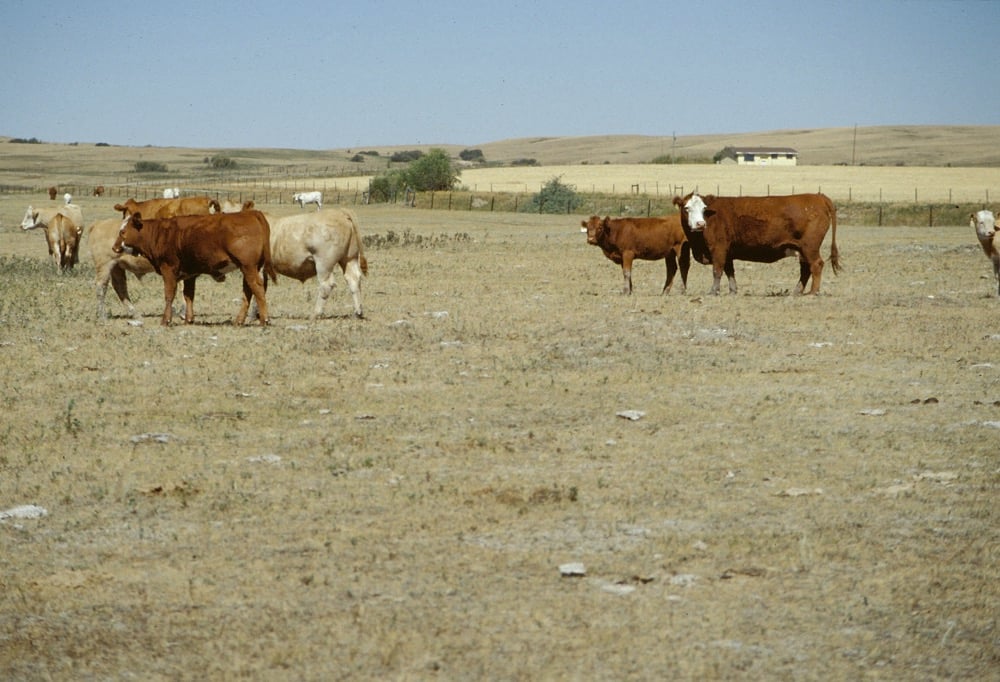
Canadians hoping for relief at the meat counter will need to wait a lot longer. Beef prices across the country have surged to record highs, climbing about 16% over the past year and sitting 35% higher than the five-year average, according to analysis from economists and federal data. The trend is unlikely to reverse in 2026 — in fact, experts warn it may get worse before it stabilises.
A recent CBC News report highlights the mounting pressure facing ranchers and consumers. The number of cattle in Canada has declined for decades, but drought conditions in Western provinces have pushed the national herd to historic lows, creating a supply squeeze that is driving grocery prices sharply upward.
Beef Prices Canada 2026: Why the Surge Isn’t Over
When analysts talk about beef prices Canada 2026, they point to the same forces: a shrinking cattle herd, years of drought, and global supply pressure. These factors mean the price of beef is likely to remain elevated through next year.
Canada’s Cattle Herd Falls to Historic Lows
According to Statistics Canada, the total cattle and calf population sits at one of its lowest points in modern record-keeping. Drought, feed shortages, and rising operational costs have forced many ranchers to reduce herd sizes or exit the industry altogether. Rebuilding cattle inventories can take years — which means high prices are likely to persist well into 2026 and possibly 2027.
Alberta and Saskatchewan, home to most of Canada’s beef production, have faced multiple consecutive seasons of poor pasture conditions. Many producers reported running short on feed, driving emergency herd sell-offs that have reduced the national supply chain to levels not seen in decades.
Demand Is Strong — But Supply Is Tight
Despite rising prices, Canadians continue to buy beef at steady rates. Domestic demand remains resilient, and international markets — particularly the U.S. and Asia — continue to pay premiums for high-quality Canadian beef. Export strength, paired with a shrinking herd, leaves even less supply for domestic grocery shelves.
Global agricultural monitoring by the UN Food and Agriculture Organization indicates similar pressures worldwide. Several major beef-producing countries, including the United States and Australia, are experiencing declining cattle numbers and higher consumer prices, reinforcing a global supply crunch.
Why 2026 Could Be Worse
Food economists caution that the economic dynamics pushing prices upward will not disappear quickly. Even if rainfall improves, it will take years for ranchers to rebuild herds lost to drought. Continued feed cost volatility, labour shortages, and high land values add further challenges.
“The bad news is it won’t be going down,” food economist Mike von Massow told CBC. With fewer cattle entering the supply chain and sustained demand at home and abroad, the price of steaks, roasts, and ground beef could rise again in 2026 — though possibly at a slower pace than the sharp increases seen in recent years.
What Consumers Should Expect Next
Grocery retailers anticipate elevated beef prices to remain a feature of the Canadian food economy throughout 2026. Analysts say promotions or discounts may appear sporadically, but the underlying costs will remain high until cattle inventories begin to recover — a process that could stretch well beyond next year.
For families already dealing with broader food inflation, beef may increasingly become an “occasional purchase” rather than a weekly staple. Some grocers report shifting consumer behaviour toward poultry and plant-based proteins, although beef’s cultural and culinary significance ensures demand won’t collapse anytime soon.
The Bottom Line
Canada’s beef sector is facing a perfect storm of drought, shrinking herds, global pressure, and persistent demand. Until ranchers can meaningfully rebuild inventory, the era of expensive beef is far from over — and 2026 is shaping up to be yet another challenging year for consumers.
You May Also Like

Make Swikblog your go-to source on Google for reliable updates, smart insights, and daily trends.