
Breaking • Canada • Travel & Weather
By Swikriti Dandotia • Updated: January 16, 2026 • Winnipeg, Manitoba
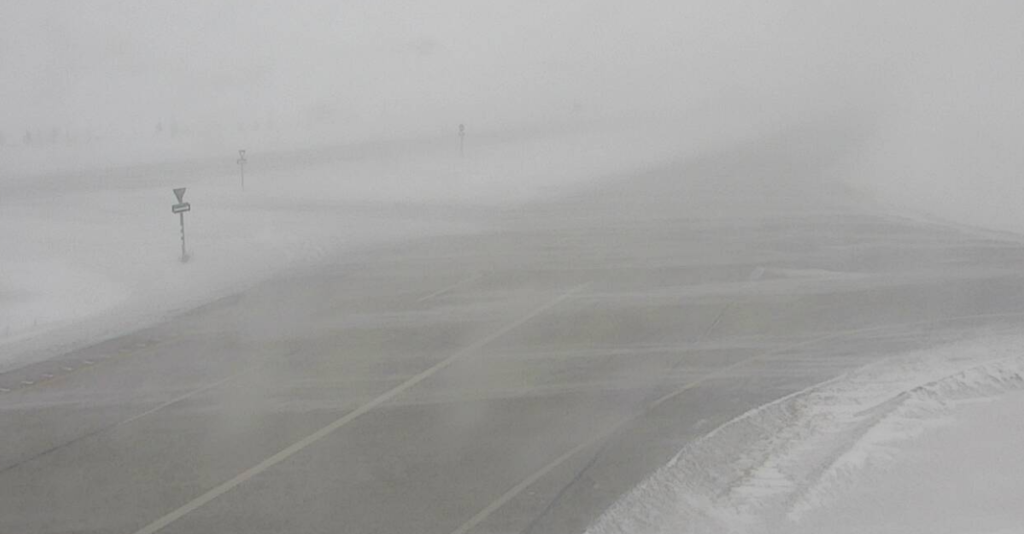
A fast-moving winter blast has forced Manitoba RCMP to shut down a key stretch of the Trans-Canada Highway (Highway 1) west of Winnipeg after a multi-vehicle crash and rapidly deteriorating visibility. Drivers across southern Manitoba are being urged to postpone travel as blowing snow and near-whiteout conditions make it difficult to see the road — or other vehicles — until conditions improve later Friday.
The closures come as Environment Canada warned that blowing snow could reduce visibility to near zero in parts of the region, especially south and southeast of Lake Manitoba and Lake Winnipeg. In these conditions, even a short trip can turn dangerous quickly: vehicles can brake suddenly, lanes disappear, and chain-reaction collisions become more likely on open stretches of highway.
Highways closed near Winnipeg (as of January 16)
Manitoba RCMP reported multiple major routes were closed due to poor winter driving conditions, reduced visibility and the multi-vehicle collision. The following closures were listed:
- Highway 1 (Trans-Canada) from Headingley to Portage la Prairie
- Highway 1 from Portage la Prairie to Brandon (westbound)
- Highway 26 between St. François Xavier and Portage la Prairie
- Highway 75 from Morris to the U.S. border
- Highway 276 from Ste. Rose du Lac to Toutes Aides
If you’re seeing different information from town to town, that’s normal during severe weather. Closures can change quickly as conditions shift, emergency crews clear collisions, and highway patrols evaluate whether travel is safe. That’s why officials keep pointing motorists to live road maps — because what was “open” 30 minutes ago might be “closed” now.
Where to check live road conditions (the link that matters most)
Before you leave, check Manitoba 511, the province’s real-time road and traveller information map. It shows closures, reduced visibility reports, incidents, cameras and winter road conditions — and it’s the fastest way to confirm whether your route is still passable.
For the weather side of the story, keep an eye on Environment Canada alerts and local forecasts. Blowing snow advisories are especially important because visibility can collapse suddenly, even when snowfall doesn’t look intense from your driveway.
What triggered the shutdown
RCMP say officers responded to a multi-vehicle collision on Highway 1 between Headingley and Portage la Prairie early Friday, with conditions already hazardous. In plain terms: when visibility drops and the road surface becomes slick, one spin-out can cause a domino effect — drivers brake hard, vehicles slide, and the next wave of traffic arrives before anyone can react.
To prevent more crashes and to give emergency crews room to work, police and transportation officials may close long stretches at once. It can feel dramatic, but the goal is simple: reduce the number of vehicles entering a corridor where help can’t move quickly and drivers can’t see what’s ahead.
If you absolutely must drive: 6 rules to reduce risk
- Turn on your lights (not just daytime running lights) so others can see you from behind.
- Slow down early and avoid sudden braking; smooth inputs reduce skids on ice.
- Increase following distance far more than usual — stopping distances multiply on snow and glare ice.
- Stay patient around plows and don’t pass unless you can see a safe, clear lane.
- Keep your windshield and lights clear; blowing snow can cake onto headlamps fast.
- Have a plan: fuel up, charge your phone, and let someone know your route and ETA.
But if your trip isn’t essential, the safest move is to wait. Whiteout conditions are one of the few scenarios where “driving carefully” isn’t enough — because careful driving can’t fix the problem of not being able to see.
When could highways reopen?
Reopenings typically depend on two things: visibility improving and emergency/maintenance crews safely clearing the collision scene and any stranded vehicles. Environment Canada indicated poor visibility could persist through Friday, with conditions expected to improve in the evening — but timelines can shift if winds strengthen or more crashes occur.
The most reliable way to track reopening progress is still Manitoba 511, since it reflects the on-the-ground status of closures and winter road restrictions. If you’re traveling toward the U.S. border, check Highway 75 updates frequently — border-bound traffic can back up quickly when closures happen.
Sources and live updates: Global News, Manitoba 511, Environment Canada.
More from Swikblog: Latest breaking updates • About the author

Make Swikblog your go-to source on Google for reliable updates, smart insights, and daily trends.