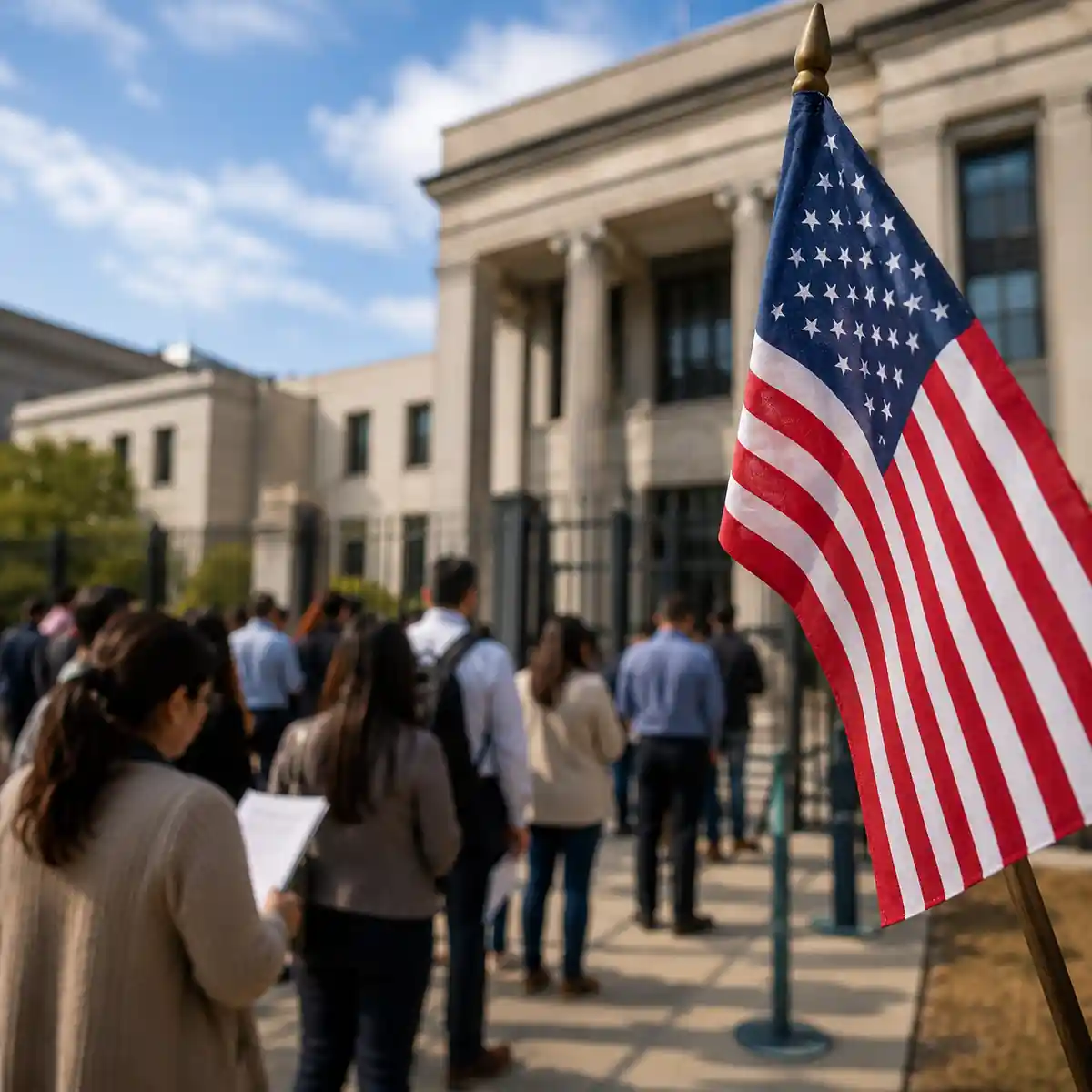
WINDER, Ga. — Colin Gray, the father of the teenager accused of carrying out the deadly Apalachee High School shooting, has been found guilty on every charge brought against him, marking one of the most significant parental accountability cases tied to a U.S. school shooting.
Last Updated: June 27, 2026
After hearing weeks of testimony, a Georgia jury reached its decision in under two hours, convicting Gray on 27 criminal counts. The verdict includes two counts of second-degree murder, two counts of involuntary manslaughter, 18 counts of cruelty to children, and five counts of reckless conduct.
Case Snapshot
27 convictions • Jury deliberated for less than two hours • 4 people killed • 9 injured • School attack occurred on September 4, 2024
Why prosecutors held the father responsible
Throughout the trial, prosecutors argued that the tragedy was not solely the result of the teenager’s actions. Instead, they said the case centered on whether Colin Gray failed in his legal responsibility to prevent a foreseeable danger by allowing his son access to firearms despite multiple warning signs.
The state maintained that weapons were not adequately secured inside the home and that the teenager was able to access an AR-15-style rifle with little difficulty. Prosecutors said evidence presented during trial showed increasing concerns about the boy’s mental state and fascination with violence, making stricter firearm security a reasonable expectation.
According to testimony, several firearms and ammunition were kept inside the family home, with one rifle reportedly stored in or near the teenager’s bedroom at times. The prosecution argued those decisions created the conditions that ultimately led to the school attack.
The Apalachee High School shooting
Investigators say Colt Gray, who was 14 years old at the time, carried out the shooting on September 4, 2024, at Apalachee High School in Winder, Georgia, roughly 45 miles northeast of Atlanta.
The attack left four people dead and nine others wounded. Those killed were teachers Richard Aspinwall and Cristina Irimie, along with students Mason Schermerhorn and Christian Angulo.
Jurors viewed surveillance footage and evidence showing how the shooting unfolded. Trial testimony also revealed that school officials attempted to investigate concerns involving a student before the attack, but confusion over a similar name delayed intervention. Prosecutors argued that those lost minutes proved devastating.
Defense says the attack could not have been predicted
Gray’s legal team insisted the father never expected his son to commit a mass shooting. During testimony, Colin Gray said he believed he was helping his son by encouraging outdoor activities and attempting to obtain mental health support through the school system.
The defense argued that no parent can realistically predict an act of this magnitude and maintained there was no evidence Gray knew about any specific plan to carry out violence.
Prosecutors countered that criminal negligence does not require knowing exactly what will happen. Instead, they argued it focuses on whether a reasonable person would have recognized the danger and taken stronger steps to prevent firearm access.
A case that could influence future prosecutions
The verdict is expected to become an important reference point in future cases involving minors and unsecured firearms. In recent years, prosecutors across the United States have increasingly pursued criminal charges against parents when investigators believe they ignored serious warning signs or failed to safely store weapons.
Supporters of these prosecutions argue they encourage responsible firearm storage and greater parental involvement when children display troubling behavior. Critics, however, warn that expanding criminal liability could place parents at legal risk for actions they never intended or expected.
Regardless of where that debate ultimately lands, legal experts say the Gray conviction represents another significant step toward holding adults accountable when prosecutors believe their actions contributed to a preventable tragedy.
Sentencing and the remaining criminal case
Colin Gray now faces sentencing on multiple felony convictions. Under Georgia law, each second-degree murder conviction carries a possible prison sentence of 10 to 30 years, while involuntary manslaughter convictions can result in an additional one to 10 years per count.
His son, Colt Gray, remains in custody and has pleaded not guilty to 55 felony charges, including multiple murder counts. Court records indicate that a trial date for his case has not yet been scheduled.
For families in Winder, the jury’s decision does not erase the lasting impact of the attack. Instead, the verdict signals that courts may increasingly examine whether adults who provide or fail to secure firearms share legal responsibility when preventable warning signs are ignored.
For additional details on the verdict and charges, see Reuters’ coverage of the case.

Make Swikblog your go-to source on Google for reliable updates, smart insights, and daily trends.