

Swikblog News Desksdandotia17Edit Profile
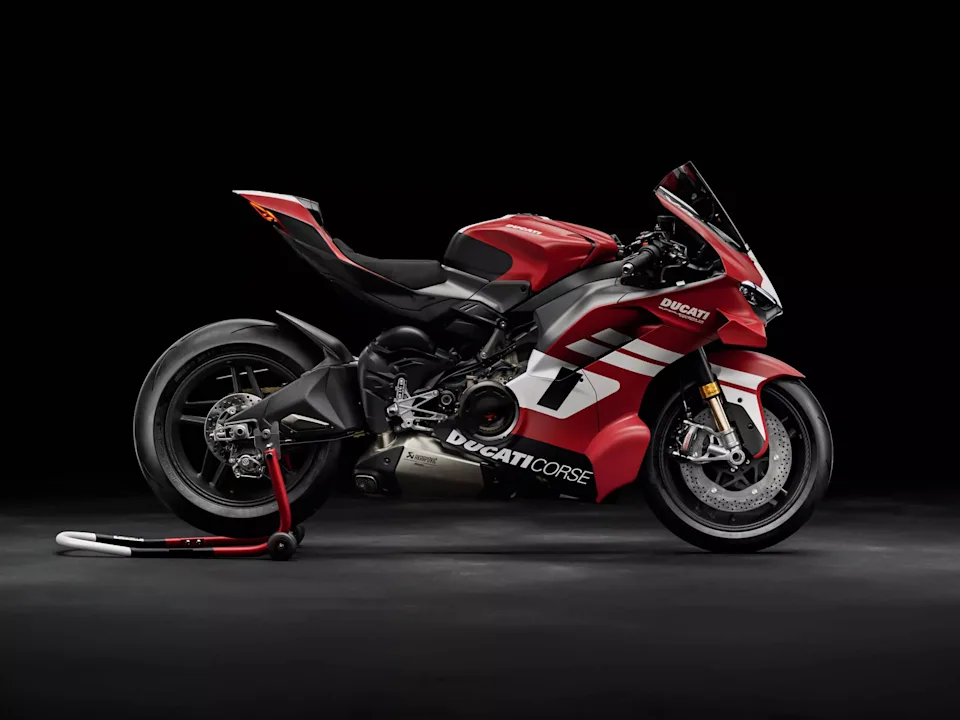
Ducati has sold out its latest ultra-exclusive motorcycle before production has even begun, underlining the strength of demand at the top end of the performance market. The Superleggera V4 Centenario, priced at about $165,000 and limited to 500 units worldwide, has already been fully allocated. Its even rarer Tricolore edition, capped at 100 examples and priced at roughly $250,000, is sold out as well.
The result is notable because it comes during a period of economic uncertainty, volatile financial markets and uneven consumer spending. While many buyers are becoming more cautious about major purchases, Ducati has shown that collectors and high-net-worth customers remain willing to pay extraordinary sums for rare, technically advanced machines.
The motorcycle was unveiled ahead of the MotoGP United States Grand Prix in Austin, Texas, as part of Ducati’s 100th-anniversary celebrations. Rather than producing a conventional commemorative model, the Italian manufacturer developed a machine intended to represent the highest level of its road-bike engineering.
At the centre of the Superleggera V4 Centenario is a hand-built V4 engine using race-derived components, including titanium intake valves and a lightweight performance exhaust system. Ducati says the motorcycle can produce up to 247 horsepower while weighing about 381 pounds.
That combination gives it an exceptional power-to-weight ratio and places it far beyond the performance level of most road-legal motorcycles. Its specifications are closer to those of a competition machine than a conventional production bike.
Carbon fibre is used throughout the structure, including the frame, swingarm, wheels and bodywork. The aim is not simply to make the motorcycle lighter, but to improve acceleration, handling and braking response while maintaining the strength required for road use.
The Centenario also introduces technology rarely found on a street-legal motorcycle. Ducati has fitted carbon-ceramic brake discs approved for road use and an Öhlins front fork with carbon-fibre outer tubes, both of which contribute to the bike’s limited weight and highly specialised character.
Ducati secured buyers before the public launch
The sellout did not happen after the motorcycle reached showrooms. Ducati began presenting the project privately to selected customers while it was still largely a digital concept.
Ducati North America chief executive Jason Chinnock said the company had effectively been pre-selling the motorcycle for around six months. Potential buyers were shown early designs and technical information before a finished production model was available.
That strategy allowed Ducati to secure commitments for the full production run before manufacturing began. It also reduced the risk normally associated with launching a product at such a high price.
Customers at this level are not necessarily waiting for independent road tests or dealer demonstrations. Many are established collectors who already understand the brand, its racing heritage and the resale appeal of limited-production motorcycles.
Scarcity is a major part of the Centenario’s value. Buyers are not only purchasing performance; they are securing one of a very small number of numbered machines that may rarely appear on the open market.
Ducati’s approach reflects a wider shift in the premium vehicle industry, where manufacturers increasingly offer exclusive models to existing clients before making a public announcement. The strategy creates urgency, protects exclusivity and helps brands build stronger relationships with their most valuable customers.
Why the sellout matters beyond one motorcycle
The Centenario’s success offers a wider view of the luxury market. Spending among affluent customers can remain strong even when broader economic conditions weaken, particularly when a product combines rarity, emotional appeal and a strong brand identity.
Ducati is not simply selling transport. It is selling a connection to MotoGP, Italian engineering and decades of performance history. For collectors, those qualities can be as important as speed or technical specifications.
The motorcycle also works as a halo product. Only a small number of people will own one, but it strengthens Ducati’s image across its full range, including the Panigale, Streetfighter, Multistrada and Scrambler families.
Technology developed for exclusive machines can also influence future production models. Lightweight materials, advanced suspension systems, braking technology and aerodynamic ideas often appear first on high-cost flagships before being adapted for more widely available vehicles.
That pattern is visible across the wider transport industry. Manufacturers are using new platforms and specialist engineering to reshape established vehicle categories, including the Kia PV5 electric van heading to Australia, which represents a very different but equally significant shift toward next-generation mobility.
Ducati’s success also shows the value of a clear product story. The company tied the Centenario to its 100-year history, racing identity and engineering ambition, giving buyers more than a list of performance figures.
Other manufacturers are managing similar transitions as long-running models reach the end of their production cycles. The final Nissan Patrol Y62 V8 SUVs in New Zealand provide another example of how scarcity and the end of an era can increase interest among loyal customers.
For Ducati, selling every Centenario before production begins removes uncertainty and confirms that its most committed customers remain willing to invest in rare, high-performance motorcycles.
Read More:
- Costco opens two new stores in Utah and Florida
- Snoop Dogg’s SnoopSicle arrives at Costco
- Visit the Swikblog homepage for more latest news
The sellout also gives the company a strong commercial and marketing result before the first customer delivery. In a market where exclusivity can matter as much as outright performance, Ducati has shown that a carefully limited production run can turn an expensive engineering project into a global collector event.
Official technical details and information about Ducati’s current motorcycle range are available through the Ducati website.
You may also like: TV Shows Canceled in 2026: Full List of Series Not Returning

Make Swikblog your go-to source on Google for reliable updates, smart insights, and daily trends.