
Updated: December 10, 2025 • Washington, D.C. • Swikblog News Desk
After weeks of breathless countdown clocks and market guessing games, the US Federal Reserve has finally pulled the trigger on another interest rate cut – but this time the decision exposed deep fault lines inside the central bank itself.
In a closely watched move, the Fed lowered its key federal funds rate by 25 basis points to a new target range of 3.50% to 3.75%, the lowest level in almost three years. It’s the third straight cut since September and comes even as inflation remains above the Fed’s 2% goal and the labour market shows signs of strain, according to reporting from The Guardian and other major outlets.
The headline is simple – rates down again – but the story underneath is anything but. A split vote, delayed government data and rising political heat mean Powell’s Fed is walking a narrow tightrope between rescuing jobs and re-igniting inflation.
What exactly did the Fed just do?
The rate-setting Federal Open Market Committee (FOMC) voted 9–3 to cut by a quarter-point. One member argued for a much steeper 0.5-percentage-point cut, while two wanted to leave rates where they were – a rare level of open disagreement for a body that prefers to project unity.
In its official statement, released on the Fed’s website, policymakers said they lowered rates “in light of the shift in the balance of risks” facing the economy, pointing to softer job gains and inflation that has ticked up but remains only “somewhat elevated”. You can read the full decision and projections on the Federal Reserve’s monetary policy page.
With this move, the Fed has now reduced borrowing costs by a total of three-quarters of a percentage point over its last three meetings, as summarised by Investopedia’s live Fed coverage. Officials insist policy is not on “auto-pilot”, but markets are already debating whether this is a gentle mid-cycle adjustment – or the early chapters of a much deeper cutting campaign.
Why is the Fed so divided?
The split vote reflects the brutal trade-offs facing Powell and his colleagues. On one side of the scale: a labour market that is clearly losing some steam. Unemployment has edged up to around 4.4%, with job growth slowing noticeably compared with earlier in the year, partly thanks to a prolonged federal government shutdown that disrupted data and hiring.
On the other side: inflation that has refused to drift neatly back to target. Overall price growth is running close to 3%, with goods inflation picking up again as fresh tariffs and supply frictions bite. Some Fed officials argue that cutting too aggressively now risks letting inflation expectations rise and forcing much harsher action later.
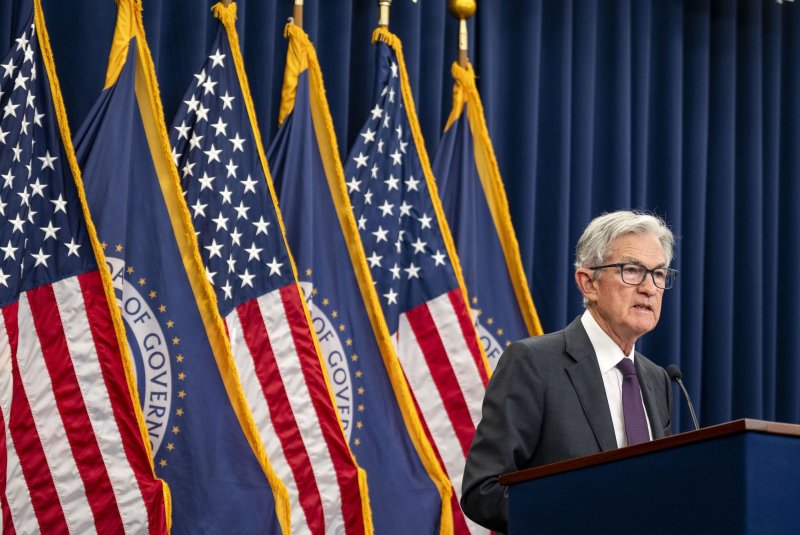
Powell, in his press conference, tried to capture that tension, acknowledging “no risk-free path” and stressing that the Fed is taking a “balanced approach” to its dual mandate of maximum employment and stable prices. But markets also heard a message of caution: this may not be the beginning of a rapid-fire cutting cycle.
What does today’s cut mean for you?
The federal funds rate is the rate banks charge each other for ultra-short-term loans, but it acts as the anchor for a wide range of borrowing costs across the economy. According to the Fed’s own explainer on the federal funds rate, changes at the top filter down into everyday money decisions.
- Mortgages: Fixed-rate home loans don’t move instantly, but a lower policy rate usually nudges down new mortgage rates over time. If you’re house-hunting or considering a refinance, today’s decision could modestly improve affordability – especially if bond yields keep sliding.
- Credit cards & personal loans: Variable-rate products are more directly tied to the Fed. Expect credit-card APRs and some personal-loan rates to drift lower, though banks rarely pass on the full cut.
- Savings accounts & CDs: The painful flip side for savers is that high-yield accounts are likely to creep lower too. After finally earning something on cash again, depositors may find returns squeezed as banks adjust.
- Stocks & bonds: Lower rates are usually a positive for equities – at least in the short term – because they make future profits more attractive. Bond markets have already reacted, with 10-year Treasury yields sliding after the announcement, as reported by outlets such as the Economic Times.
How many cuts are left in the tank?
The biggest question on Wall Street tonight isn’t what the Fed did – it’s what comes next. According to early reporting from Reuters, officials now project only a single further cut in 2026, signalling that they see today’s move as part of a limited adjustment, not an open-ended rescue.
But forecasts on paper and politics in the real world don’t always line up. A softer-than-expected economy, or renewed market turmoil, could force the Fed’s hand. Equally, if inflation proves stickier than hoped, hawks on the committee will argue this December move should be the last for a while.
A global ripple beyond Washington
As ever, the Fed’s decision doesn’t stop at US borders. A cheaper dollar and lower US yields can suck capital flows away from other economies, pressure emerging-market currencies and force central banks from London to Sydney to reassess their own paths.
Investors in Europe, Asia and Australia were already trading nervously in the run-up to today’s announcement. For a sense of how global markets respond when central banks make shock moves, you can look back at our coverage of high-stakes moments in sport and finance – from rate decisions to derby-day drama – in pieces like Swikblog’s North London derby special.
Powell’s high-wire act isn’t over
For households, the takeaway is deceptively simple: borrowing should get a little cheaper, saving a little less rewarding, and the jobs market – the beating heart of Powell’s argument – may get a bit more support.
For the Fed, though, the story is much more complicated. A rare three-way split vote, delayed official data and political noise from the White House all raise the stakes for every meeting from here. Cut too slowly, and unemployment could climb higher than anyone at the Fed is comfortable with. Cut too fast, and the central bank risks being blamed for letting another wave of inflation rip through the economy.
Tonight’s quarter-point move is just one notch on the interest-rate dial – but it’s also a reminder that the era of simple answers is over. The next chapters in this story will be written not only in the Fed’s statement PDFs, but in paycheques, mortgage offers and credit-card bills across America.

Make Swikblog your go-to source on Google for reliable updates, smart insights, and daily trends.