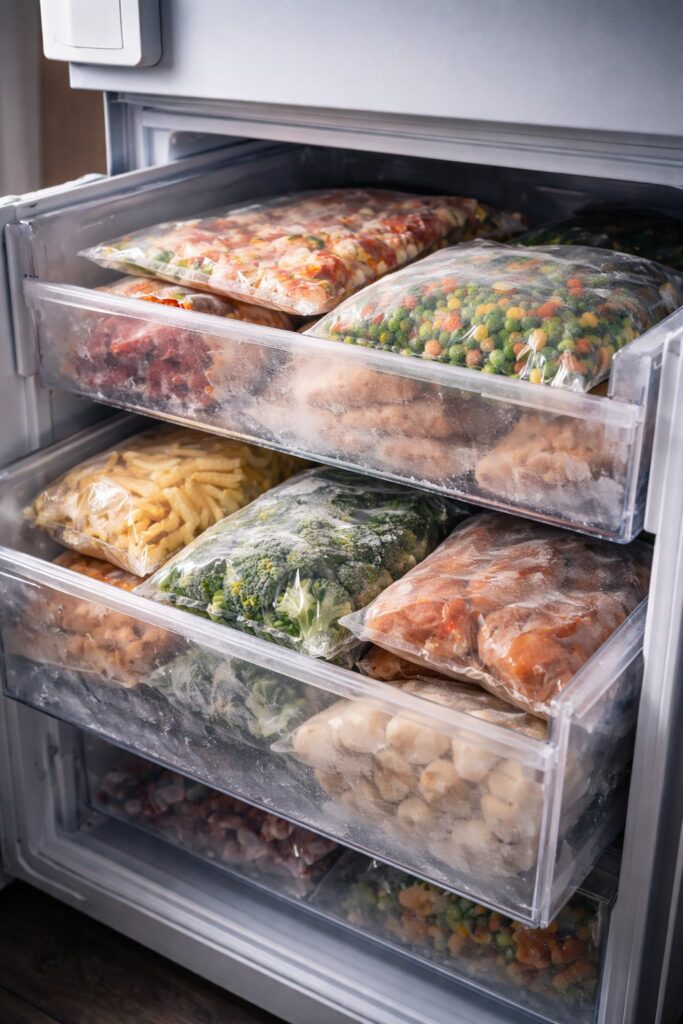

A widening frozen food recall is prompting health warnings across the United States after salmonella was detected in products distributed to retailers in multiple states, raising fresh concerns about food safety and supply chain oversight.
Federal health officials say the recall involves a broad range of frozen food items produced or distributed through a shared supply network, with dozens of individual recall notices issued as a precaution. While no single brand has been identified as the sole source, authorities warn that the scope of the recall reflects how a single contamination point can ripple quickly through the national food system.
Salmonella is a common but potentially serious foodborne bacterium that can cause illness within hours or days of exposure. Symptoms often include diarrhea, fever, and abdominal cramps, and while most people recover without treatment, infections can be dangerous for young children, older adults, pregnant women, and those with weakened immune systems.
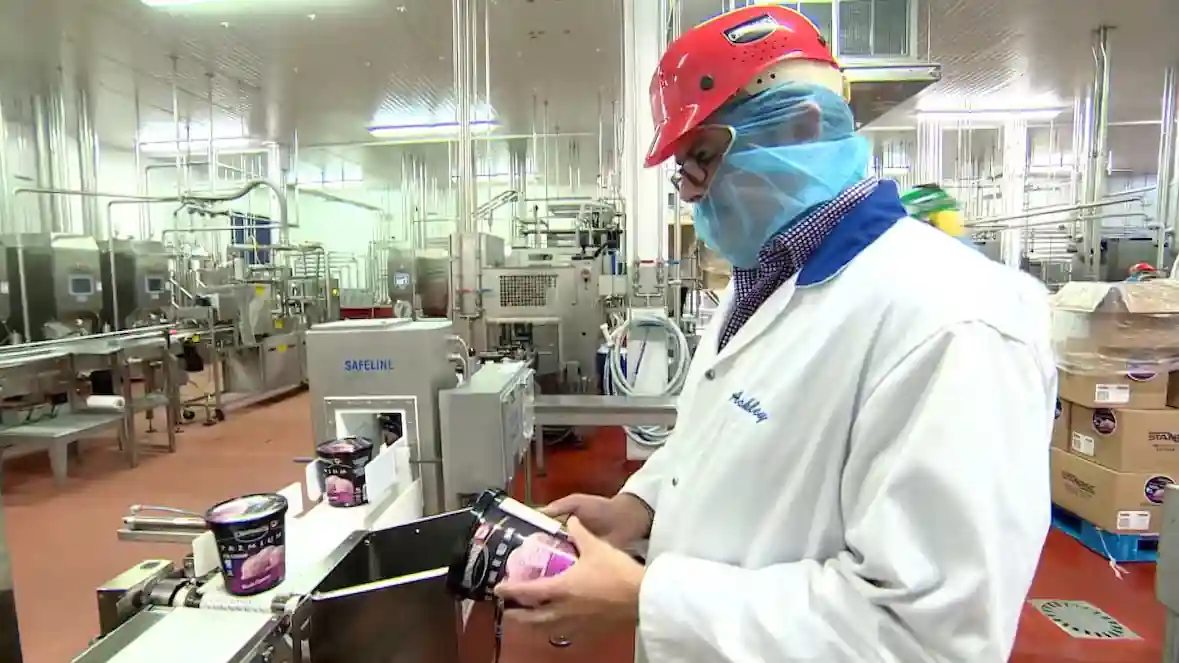
The recall expansion underscores the complexity of modern food distribution. Many frozen foods — including ready meals, vegetables, and prepared ingredients — pass through centralized processing or distribution facilities before reaching supermarket freezers nationwide. When contamination is detected at one stage, regulators often issue multiple recalls simultaneously to prevent further exposure.
Health officials are urging consumers to check their freezers carefully and avoid consuming any products that may be affected. Shoppers who are unsure whether an item is part of the recall are advised to discard the product or return it to the place of purchase for a refund, even if no symptoms are present.
According to food safety experts, freezing does not kill salmonella bacteria. While low temperatures can slow bacterial growth, the pathogen can survive in frozen environments and become active once food is thawed and prepared improperly.
The US Food and Drug Administration continues to monitor the situation and update recall listings as new information becomes available. Consumers are also encouraged to follow guidance from the Centers for Disease Control and Prevention, which tracks foodborne illness outbreaks nationwide.
Retailers affected by the recall have begun pulling products from shelves and notifying customers through in-store notices and digital alerts. Officials say additional recalls may follow as testing continues and supply chains are traced further upstream.
Food safety advocates say the incident highlights the importance of robust testing and transparency in the frozen food sector, particularly as demand for ready-to-cook and convenience foods continues to rise across the US.
For now, health authorities stress that vigilance is key. Consumers experiencing symptoms consistent with salmonella infection after consuming frozen foods should seek medical advice, especially if symptoms are severe or persistent.
You may also like: U.S. Marines Partner With News 2 for Lowcountry Toy Drive

Make Swikblog your go-to source on Google for reliable updates, smart insights, and daily trends.