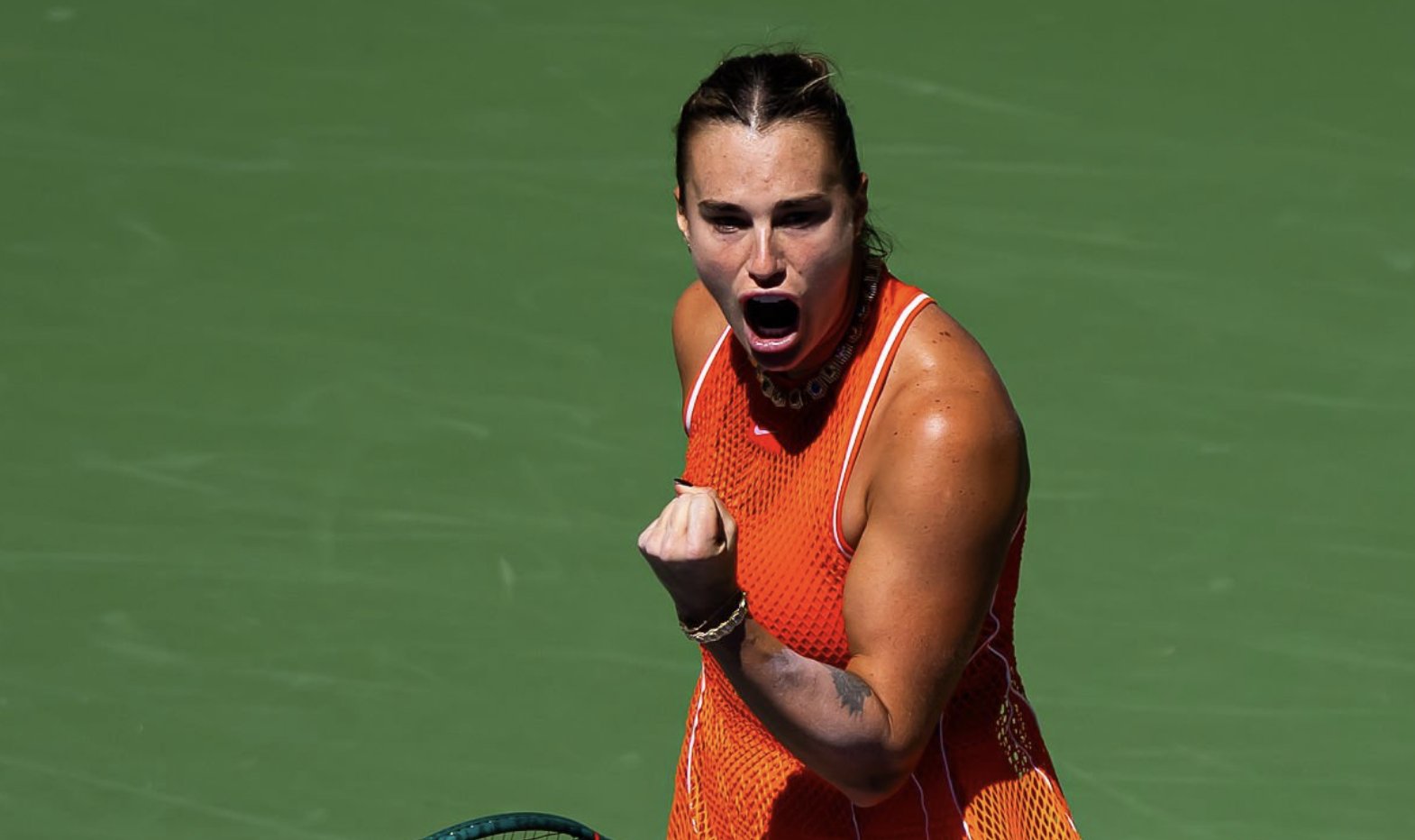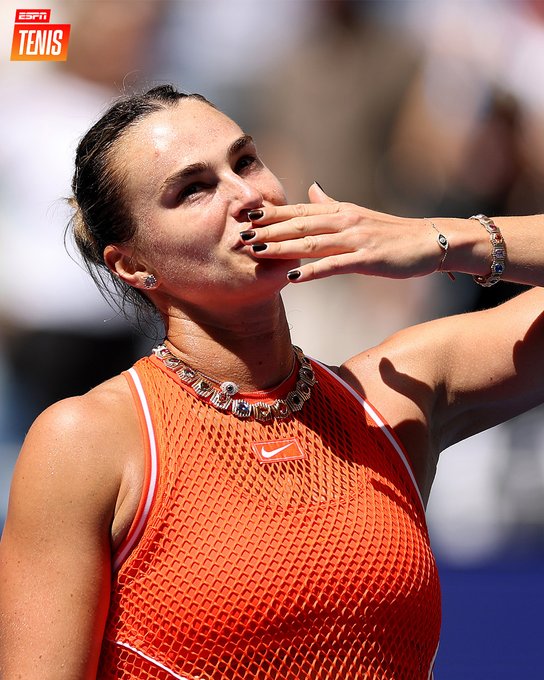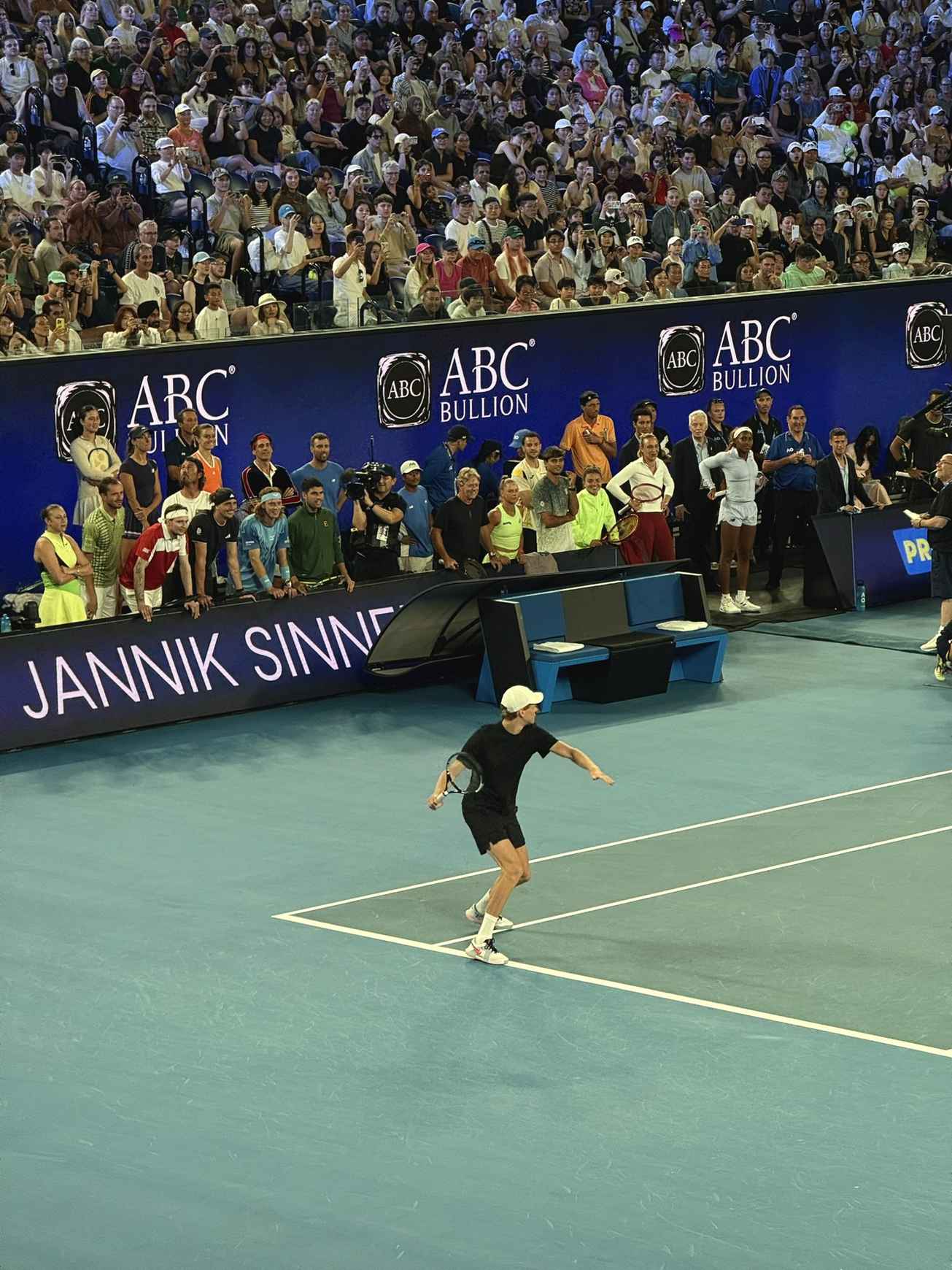
The Australian Open’s One-Point Slam was designed to be simple: one point, one chance, winner advances. And for most of Wednesday night at Rod Laver Arena, it delivered exactly what modern sports audiences love — shock value, genuine nerves, and a story that felt too wild to be scripted.
But while plenty of tennis fans called it a fun, high-stakes warm-up before the main draw, AFL champion and media personality Kane Cornes went the other way, labelling the spectacle “awful” and “excruciating” — even as viewers online pushed back, arguing the concept worked and only needed one key tweak: speed it up.
(If you’ve been following Australian Open chatter this week, the tennis internet has also been buzzing about player moments off-court — including Naomi Osaka’s AO fashion debate. Related: Naomi Osaka’s Australian Open outfit backlash.)
What the One-Point Slam actually is
The One-Point Slam is a pre-AO exhibition with a knockout bracket where each “match” is decided by a single rally — a format Tennis Australia has promoted as a fast, pressure-packed twist aimed at bringing in casual fans and creating highlight-reel moments. The official event page describes it as a winner-takes-all showdown built around one-point drama at Rod Laver Arena. (Australian Open: One-Point Slam)
THE AMATEUR IS VICTORIOUS 😲
— TNT Sports (@tntsports) January 14, 2026
Jordan Smith from Sydney is the first-ever winner of the 1 Point Slam and takes home $1 million 🤯💰 pic.twitter.com/EbSPkNIixP
In theory, it’s the simplest tennis can be. In reality, it becomes a psychological game: one tight forehand, one safe return, one double-fault, one misread bounce — and the night is over.
The moment that made it: a Sydney coach wins $1 million
The event’s headline storyline was Jordan Smith, an amateur player and coach from Sydney who went on an improbable run through big names and big moments — then sealed the night with the sort of ending that only a one-point format can produce: a single miscue in the final that turned into a life-changing $1 million payday.
ABC coverage outlined how quickly Smith went from relative unknown to centre-court champion, and how the win landed as a genuine feel-good moment across the tennis world. (ABC: Who is Jordan Smith?)
In a format built on risk, Smith’s approach was the opposite: play safe, keep the ball in, force the error. In one-point tennis, “solid” can suddenly become unstoppable.
Why Kane Cornes called it “awful”
Cornes’ criticism wasn’t subtle. During the event he compared it to AFLX — shorthand for a format many footy fans remember as a novelty experiment that didn’t translate on television — and later doubled down by describing the One-Point Slam as painful viewing.
His argument had three main beats:
- One point isn’t “real tennis” — too much randomness, not enough time for quality to win out.
- Pros can’t fully commit — the downside of losing a single-point match to an amateur is bigger than the upside of winning.
- Television padding killed the pace — interviews, features, breaks, and dead time made the night feel longer than it should.
Fans’ pushback: “Keep it — just make it quicker”
Here’s the twist: even many viewers who agreed the broadcast dragged didn’t want the event scrapped. They wanted it tightened.
Because each match can end in seconds, the night naturally requires filler — but fans argued the filler took over. The most common fix suggested online was simple: fewer mid-event interviews and less stop-start production between points, so the bracket moves like a true knockout sprint.
If Tennis Australia tweaks it, this is what viewers want:
- Shorter interviews (save deeper chats for the end)
- Fewer pre-packaged intro videos mid-bracket
- Cleaner transitions so the tension doesn’t evaporate
- A clear “rapid-fire” broadcast window (90 minutes feels right)
So… was it a gimmick, or a keeper?
It can be both. The One-Point Slam isn’t meant to replace five-set classics — it’s meant to create a different kind of pressure: sudden, brutal, and instantly shareable. And by that measure, it worked: a sold-out arena, a new million-dollar storyline, and the kind of “you have to see this” debate that keeps the Australian Open in the spotlight before the main event even begins.
If organisers build on it, the smartest move isn’t changing the one-point concept — it’s protecting the thing that makes it compelling in the first place: momentum. Keep the points coming, keep the crowd hot, and let the tension do the talking.
Want to read more about the event itself and how it’s positioned by organisers and players? Australian Open match report offers the official recap of the night.
Note: This article summarises public reactions and reported comments around the One-Point Slam broadcast and does not represent Tennis Australia’s official position.

Make Swikblog your go-to source on Google for reliable updates, smart insights, and daily trends.