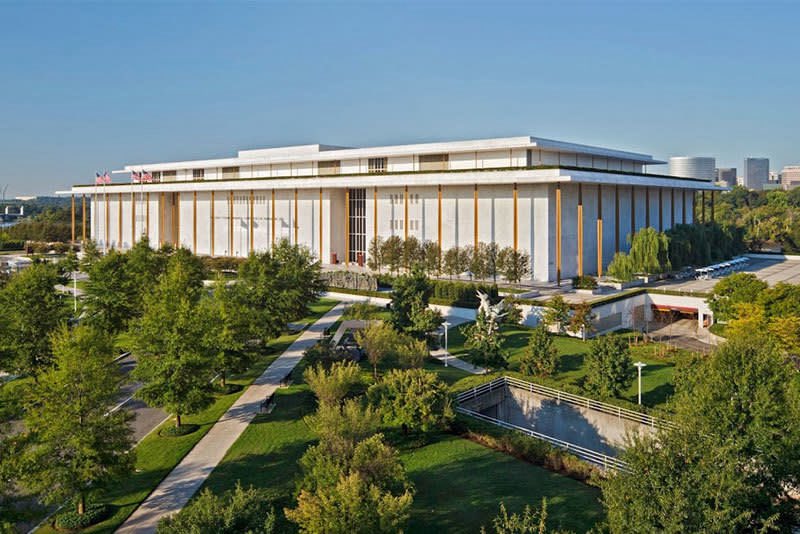

The John F. Kennedy Memorial Center for the Performing Arts — one of Washington’s most visible cultural institutions — is set to take on a new, politically charged identity after the White House said the venue will be renamed the “Trump-Kennedy Center.” The announcement came on Thursday, December 18, from White House press secretary Karoline Leavitt, who said the change follows a unanimous vote by the center’s board.
Leavitt framed the renaming as a tribute to President Donald Trump’s role in what she described as saving the building, pointing to reconstruction work, finances and the center’s public standing. The White House message immediately pushed the story beyond the arts world and into the country’s ongoing argument about symbolism, legacy and the boundaries between politics and national culture.
According to reporting by the Associated Press, Trump is currently chairman of the Kennedy Center board, after a year of heavy involvement in the institution’s leadership and direction. That context matters because the Kennedy Center has long been treated as a kind of civic “neutral ground” — a place where presidents might appear for ceremonial moments, but where the brand itself stayed tied to John F. Kennedy and the idea of public cultural life.
Now, the marquee is becoming a battleground in its own right.
One of the biggest questions is what the renaming actually takes to become official. The Kennedy Center was created through federal legislation, and experts have raised doubts about whether a board vote alone is enough to change the name without congressional action. The Washington Post reported that legal authority is already being questioned, with past changes to the institution’s naming and structure often routed through Congress.
That uncertainty leaves the story sitting in two places at once: as a statement of intent from the administration and the board, and as a move that may face procedural or legal friction before it becomes permanent in the way the public experiences it — on signage, on programmes, on tickets, and in the language institutions use.
Reactions also arrived quickly, including criticism from figures connected to the Kennedy family and from those who see the shift as a break with the idea that certain national institutions should not be rebranded around a living political figure. Supporters, meanwhile, are treating it as recognition of Trump’s influence over Washington’s cultural and civic landscape, and as part of a broader effort to remake institutions that shape national identity.
For everyday audiences, the immediate practical question is simpler: what changes when you’re going to a show? In the near term, performances and programming are expected to continue, but the “front door” identity — the name that signals what this place represents — is what’s shifting. And in a country where the arts often rely on a delicate mix of donors, federal support, tourism and public goodwill, symbolism is not just a side story; it can affect money, reputation and who feels welcome.
For now, the White House has made its message clear: the Kennedy Center, founded as a memorial to JFK and built to serve as a national stage, is being asked to share that identity with the name of the sitting president — a change that will likely spark debate far beyond the walls of the concert hall.
You may also like: The Oscars’ YouTube Shift Marks the End of TV as Culture’s Gatekeeper

Make Swikblog your go-to source on Google for reliable updates, smart insights, and daily trends.