Introduction
Navratri is one of Hinduism’s most revered festivals, celebrated with immense devotion and vibrant customs. Spanning nine nights (“Nava” means nine, “Ratri” means nights), this festival honors the many forms of Goddess Durga—symbolizing divine power, virtue, and victory over evil.
“Navratri shares its spiritual energy with other vibrant Hindu celebrations like Gudi Padwa and MahaShivratri—learn more about them here.”
There are two major Navratri celebrations in 2025:
- Chaitra Navratri (Spring)—March 30 to April 7, 2025
- Sharad (Maha) Navratri (Autumn, most widely observed)—September 22 to October 1, 2025
Chaitra Navratri 2025 Dates: 30th March to 7th April 2025
Sharad Navratri 2025 Dates: 22nd September to 1st October 2025
Sharad Navratri 2025 Day-wise Colors (Sept 22–Oct 1)
| Day | Goddess (Avatar) | Color | Symbolism |
|---|---|---|---|
| 1 | Shailaputri | Yellow | Strength and new beginnings |
| 2 | Brahmacharini | Green | Penance, devotion |
| 3 | Chandraghanta | Grey | Bravery, grace |
| 4 | Kushmanda | Orange | Creation, cosmic energy |
| 5 | Skandamata | White | Motherly strength |
| 6 | Katyayani | Red | Warrior energy, courage |
| 7 | Kaalratri | Royal Blue | Fierceness, destruction of evil |
| 8 | Mahagauri | Peacock Green | Tranquility, inner wisdom |
| 9 | Siddhidatri | Six (or Pink)⁇ | Spiritual fulfillment, blessings (note: some sources list pink) |
Both Sharad and Vasant Navratri fall in Hindu luni-solar months. The Hindu luni-solar calendar is used to determine the exact dates of Navaratri. This festival is celebrated for nine days, and each day has its significance related to nine avatars of a goddess, ”Durga.”
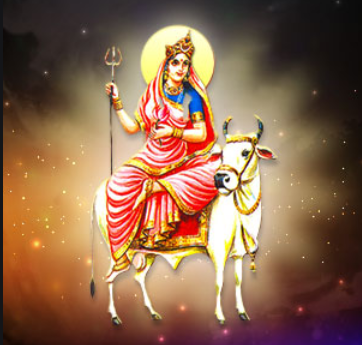
Day 1- Shailaputri
This day is related to Shailaputri (actually “Girl of Mountain”). Known as Pratipada, she represents Parvati. It is in this structure that the Goddess is revered as the associate of Shiva, and she is portrayed as riding the bull, Nandi, with a Trishul in her right hand and a lotus in her left. Shailaputri is viewed as the immediate manifestation of Mahakali. The color of the day is red, which portrays action and vigor.
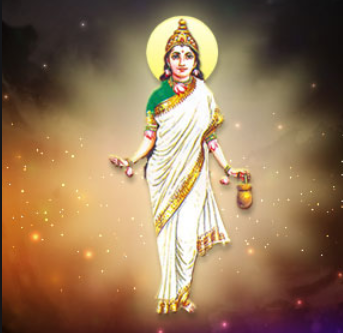
Day 2- Brahmacharini
On Dwitiya, Goddess Brahmacharini, another demonstration of Parvati, is worshiped. In this structure, Parvati moved toward becoming Sati, her unmarried self. Brahmacharini is loved for liberation, or moksha, and the blessing of harmony and flourishing. Portrayed as strolling with uncovered feet and grasping a Japamala and kamandal, she symbolizes ecstasy and quiet. The color code of the day is blue, which depicts strong energy.
Day 3- Chandraghanta
Tritiya remembers the love of Chandraghanta—the name comes from the way that in the wake of the wedding, Shiva and Parvati enhanced her temple with half-Chandra (lit. moon). She is the exemplification of excellence and is likewise a symbol of fearlessness. Yellow is the color for the third day, which stands for brightness and happiness.
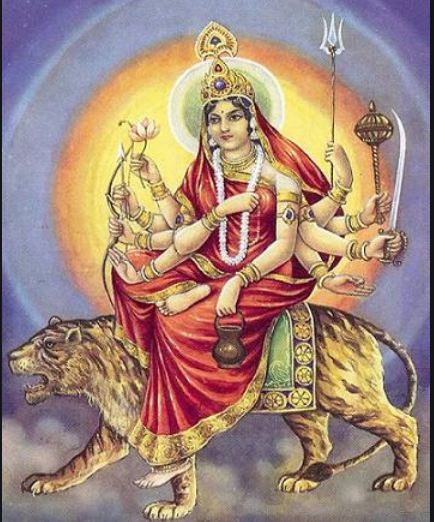
Day 4- Kushmanda
Goddess Kushmanda is adorned on Chaturthi. Accepted to be the imaginative intensity of the universe, Kushmanda is related to the blessing of vegetation on earth, and thus, the color of the day is green. She is portrayed as having eight arms and sitting on a tiger.
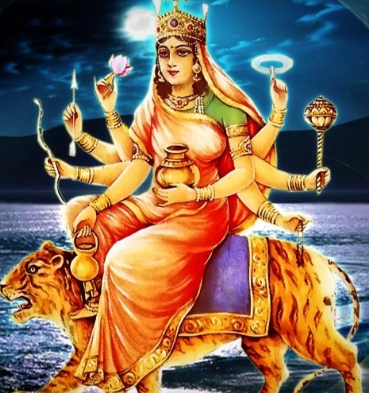
Day5– 5—Skandamata
Skandamata, the goddess revered on Panchami, is the mother of Skanda (or Kartikeya). The color gray represents the transforming strength of a mother when her kid is facing danger. She is portrayed riding a brutal lion, having four arms, and holding her child.
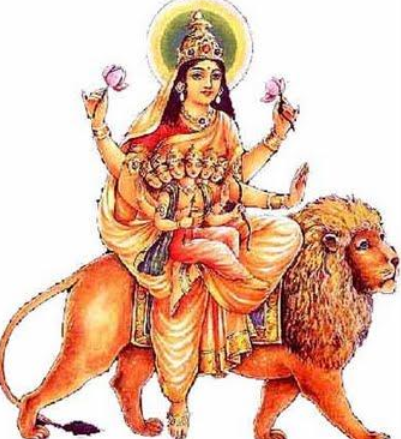
Day 6—Katyayana
Destined to be a sage, Katyayana is a demonstration of Durga and appears to display boldness, which is symbolized by the color orange. Known as the warrior goddess, she is viewed as one of the most brutal types of Goddess Parvati. In this symbol, Kātyāyanī rides a lion and has four hands.
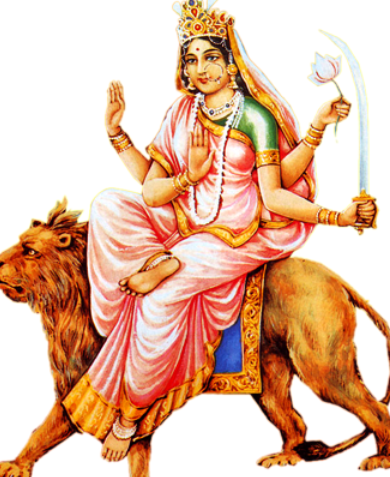
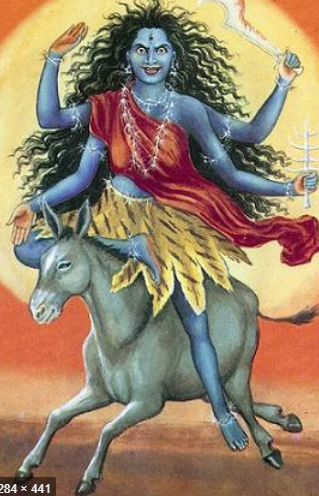
Day 7: Kalaratri,
Thought about the most savage type of Goddess Durga, Kalaratri is respected on Saptami. It is accepted that Parvati evacuated her reasonable skin to execute the evil presences Sumbha and Nisumbha. The color of the day is white. On Saptami, the Goddess shows up in white, shaded clothing with a great deal of fierceness in her red-hot eyes; her skin turns dark. The white shading depicts petition and harmony and guarantees the enthusiasts that the Goddess will shield them from mischief.
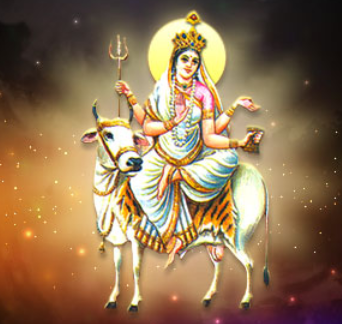
Day 8: Mahagauri
Mahagauri symbolizes knowledge and harmony. The color of the day is pink, which portrays confidence.
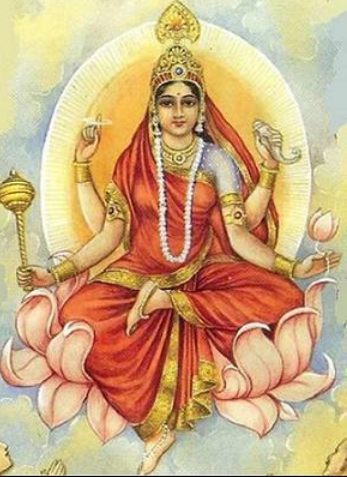
Day 9: Siddhidhatri
On the last day, called Navami, people offer prayers to Siddhidhatri (also known as Saraswati Devi). Sitting on a lotus with four hands is believed to have all kinds of Siddhis. The light blue color of the day depicts profound respect towards nature’s magnificence.
The end of Navratri also marks the preparation for one of the most widely celebrated festivals, Diwali—the festival of lights, which is celebrated twenty days after Dusshera.

Make Swikblog your go-to source on Google for reliable updates, smart insights, and daily trends.