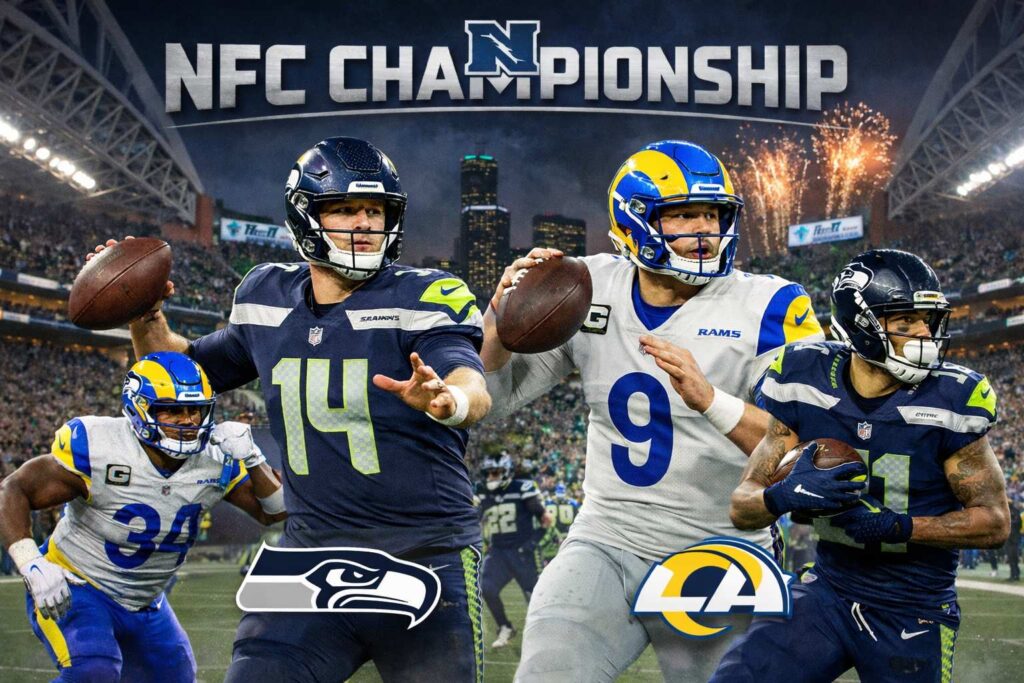

The Seattle Seahawks are heading to the Super Bowl after surviving a full-throttle NFC Championship fight with the Los Angeles Rams, winning 31–27 on Sunday night at Lumen Field. It was the kind of game that never settled into a single script: explosive passing, sudden momentum swings, one mistake that felt enormous in the moment, and a final defensive stand that turned desperation into disbelief.
Seattle’s edge came down to two things that usually decide January games: a quarterback who protected the ball, and a defense that delivered one stop when everything went tight and quiet. Sam Darnold played the cleanest, sharpest game of his Seahawks season, throwing for 346 yards and three touchdowns without giving the Rams a short field through turnovers. Across from him, Matthew Stafford produced big yardage and three touchdown passes of his own, but the Rams couldn’t buy the one extra possession or conversion they needed when the fourth quarter narrowed to inches.
If you followed the build-up, the pregame question now reads like prophecy. 457 Yards or 130? Which Matthew Stafford Shows Up Could Decide Rams–Seahawks NFC Title Game wasn’t just a headline hook — it was the tension at the heart of the matchup. Stafford showed up with the arm, the daring throws, and the pace. What didn’t show up consistently enough were the “free” downs and clean third downs that keep a comeback from stalling out.
Game snapshot
- Final: Seahawks 31, Rams 27
- Seattle’s spark: Sam Darnold — 346 passing yards, 3 TD, 0 turnovers
- Big target: Jaxon Smith-Njigba — 10 catches, 153 yards, TD
- Rams response: Matthew Stafford — 374 passing yards, 3 TD
The tone of the night was set early: Seattle weren’t interested in “managing” the moment. They pushed the ball, trusted route timing, and kept finding space before the Rams could make the game a trench war. The Seahawks’ offense repeatedly turned pressure into rhythm, and every time the Rams hinted at turning the contest into a grind, Darnold answered with another calm drive that felt built for exactly this stage.
The Rams did not fade — they surged. Stafford’s best stretches came when the game threatened to slip away, when his pocket movement bought him a half-second and his receivers won just enough at the catch point. Los Angeles kept swinging back, and the scoreboard stayed close enough to keep every Seattle snap under the heat lamp.
Then came the kind of sequence fans remember for years because it feels half football, half mood swing. A controversial taunting flag on Seattle’s secondary helped extend a Rams drive, and Stafford immediately punished the opening with a touchdown strike that cut the margin to four. Suddenly the stadium energy changed from celebration-ready to anxious, the Rams sideline looked alive again, and the fourth quarter arrived with everything still on the table.
But the most brutal moment for the Rams wasn’t the flag — it was the mistake that handed Seattle points. A muffed punt gave the Seahawks the kind of short-field opportunity that playoff teams cannot donate, and Seattle cashed it in. In a one-score championship game, that swing lands like a weight: it doesn’t end the contest, but it reshapes what each team is allowed to do with the clock later.
With the Rams chasing, the Seahawks defense — nicknamed the “Dark Side” — finally delivered the play that defines the recap. Los Angeles drove into the red zone with under five minutes left, looking for the touchdown that could flip the outcome. Instead, Seattle produced a fourth-down stop that felt like a door slammed shut. The Rams still had time, still had hope, but they no longer had control. In the closing minutes, cornerback Devon Witherspoon’s late breakups helped suffocate the final push, the kind of small-but-massive work that wins trophies before the Super Bowl even arrives.
So who won, and how? Seattle won because Darnold played turnover-free football at high volume, because the Seahawks hit enough explosive passes to stay ahead of the Rams’ surges, and because their defense saved its best moment for the exact moment it was required. Los Angeles got the Stafford fireworks — 374 yards and three touchdowns is not a losing performance in spirit — but the Rams paid for one special-teams error and couldn’t convert enough of the game’s tightest downs to finish the job.
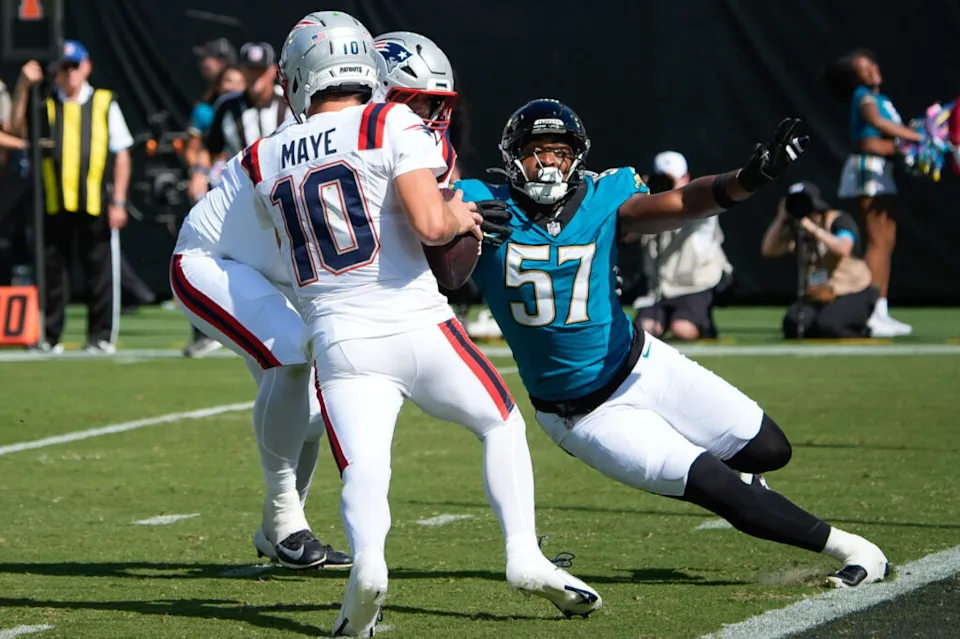
Next comes the prize: the Seahawks will represent the NFC in Super Bowl LX on February 8, 2026, setting up a heavyweight meeting with the New England Patriots. For the Rams, it ends in the most painful way — not with a collapse, but with a game that stayed within reach until the very last stop.
For a full official breakdown of the night’s turning points, you can read NFL’s game recap — and then rewatch that fourth-down stand, because it’s the moment this whole story pivots on.

Make Swikblog your go-to source on Google for reliable updates, smart insights, and daily trends.