SEGA has canceled its long-discussed “Super Game” project, ending a five-year experiment that once sat at the center of the company’s future growth plans. The decision was confirmed as part of SEGA SAMMY’s fiscal year 2026 results, where the company made clear that it is reducing the priority of free-to-play development and moving more resources back toward full-priced games built around established franchises.
The cancellation matters because “Super Game” was never presented as a small side project. When SEGA first introduced the idea in 2021, it described the initiative as a major next-generation entertainment concept with global reach, online features, strong use of intellectual property and possible links across media. Over time, the company’s language suggested something larger than a standard console release — a game or platform designed to involve players, streamers and audiences inside one connected ecosystem.
That ambition now appears to have run into the same reality facing much of the games industry: live-service success is expensive, uncertain and increasingly difficult to scale.
According to SEGA SAMMY’s official investor relations materials, the company is reviewing its medium- to long-term growth strategy and has lowered the priority of free-to-play games. SEGA said more than 100 people from F2P development have already been moved into “Full Game” teams focused on mainstay IPs.
The company also said the cancellation of “Super Game” will not bring additional costs, suggesting SEGA had already accounted for the project’s impact before making the decision public.
For years, “Super Game” carried unusually high expectations. SEGA had previously discussed investing up to 100 billion yen over five years to support the broader initiative. The project was also tied to a lifetime sales ambition of around 100 billion yen, roughly $634 million at current exchange rates. Those numbers made it clear that SEGA was not simply testing a new title — it was trying to build a major growth engine.
But the public never saw enough to understand what the project really was. There was no full gameplay trailer, no firm title, no confirmed platform strategy and no clear explanation of whether “Super Game” referred to one blockbuster release, a connected group of games, or a broader entertainment platform. SEGA executives used phrases such as “global,” “online,” “IP utilization” and “media mix,” but the lack of concrete details left fans guessing for years.
In 2023, SEGA president Yukio Sugino said development was making “steady headway” and described the concept as something that would stand above normal games. He also suggested it would involve a wider ecosystem including streamers and viewers, not just players. That description made the project sound closer to a modern live-service universe than a traditional boxed release.
The problem is that live-service games have become much harder to turn into reliable businesses. Players already spend huge amounts of time and money inside established ecosystems such as Fortnite, Roblox, Genshin Impact and other major online titles. Convincing audiences to move into another long-term platform requires constant updates, strong retention, large marketing budgets and a reason to return every week.
SEGA’s latest results show why the company is now stepping back. New free-to-play titles failed to perform as expected, while Sonic Rumble Party struggled commercially. Rovio, the Angry Birds developer acquired by SEGA, also faced financial pressure and fell short of expectations. Together, those issues weakened the case for continuing to treat free-to-play as a major growth pillar.
The decision does not mean SEGA is shrinking its gaming ambitions. In fact, the opposite may be true. Instead of continuing with an unclear live-service bet, the company is redirecting development talent toward “Full Game” projects with clearer identities and stronger brand recognition.
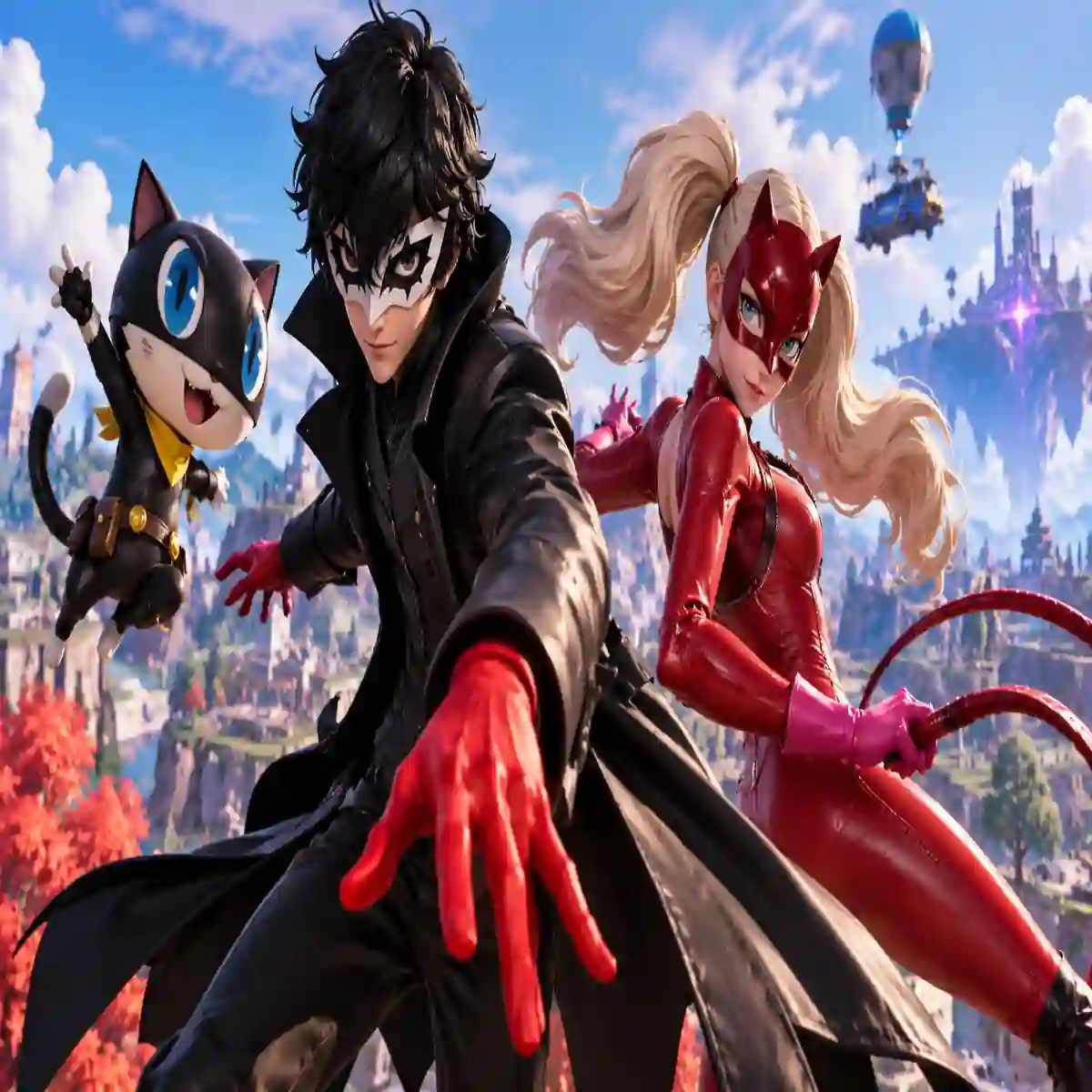
SEGA’s current roadmap still includes several major titles and franchise revivals. Confirmed upcoming projects include Crazy Taxi, Golden Axe, Jet Set Radio, Streets of Rage, a new Virtua Fighter project, Alien: Isolation 2, Total War: Medieval III, Total War: Warhammer 40,000, Persona 4 Revival and RGG Studio’s Stranger Than Heaven, which is listed for winter 2026.
That lineup explains why many fans may see the “Super Game” cancellation as a reset rather than a setback. SEGA owns one of the strongest catalogs in gaming history, and demand for its classic franchises has grown as nostalgia-driven revivals continue to perform well across console, PC and streaming platforms. A modern Crazy Taxi or Jet Set Radio has an easier message to sell than a vague online ecosystem that was never properly shown.
The shift also fits a broader industry pattern. Publishers that once chased live-service growth are now becoming more selective. Development costs have risen, audiences are harder to retain and failed online games can become expensive very quickly. Premium releases are not risk-free, but a focused game built around a known brand can be easier to market, easier to understand and more attractive to longtime fans.
Read More
- Latest News on Swikblog
- Hannah Harper wins American Idol 2026 after string cheese finale moment
- Spring & Mulberry chocolate recall over salmonella risk
- Lamb of God and Trivium announce Australia tour 2026
- Heytesbury buys 11 live export ships from Vroon
- Israel Eurovision 2026 controversy grows amid Gaza boycott calls
SEGA is also expanding its brands beyond gaming. The company still has several film and television projects in development, including Sonic the Hedgehog 4, The Angry Birds Movie 3, and adaptations based on Golden Axe, Shinobi, Streets of Rage, Eternal Champions, The House of the Dead and OutRun. That strategy shows SEGA has not abandoned the idea of turning its IP into wider entertainment franchises — it is simply no longer tying that vision to the canceled “Super Game.”
For readers following the wider gaming market, Swikblog has also covered how gaming trends in 2026 are being shaped by cross-platform growth, AI and esports, areas that continue to influence how publishers build and monetize new releases.
The lesson from “Super Game” is clear: scale alone is not enough. Big budgets, famous IP and ambitious investor language cannot replace a product that players understand and want to play. SEGA spent years describing the project as something bigger than a normal game, but it never reached the point where the public could judge it on actual gameplay.
Now the company has chosen a more direct path. By moving developers back to full-game production and leaning on franchises with built-in fan interest, SEGA is betting that its future depends less on one giant online platform and more on delivering strong individual games. After five years of mystery, the “Super Game” era is over — and SEGA’s next chapter will be judged by whether its classic names can return with the quality fans expect.

Make Swikblog your go-to source on Google for reliable updates, smart insights, and daily trends.