
Sony’s PlayStation business is heading into its next chapter with two very different signals for investors and gamers. The company remains one of the most powerful forces in console gaming, supported by millions of active PlayStation users, strong digital spending and a large PS5 install base. But its latest financial update also exposed a painful problem: Bungie, once seen as a major weapon in Sony’s live-service strategy, has become a costly burden.
Sony recorded a $765 million impairment linked to Bungie after the studio’s title portfolio failed to meet expectations. The charge raises fresh questions about Sony’s $3.6 billion Bungie acquisition and whether PlayStation’s aggressive move into live-service gaming can deliver the kind of returns the company originally expected.
The write-down covers Bungie-related assets tied to games including Destiny 2 and Marathon. Sony had already taken an earlier charge after Destiny 2 underperformed, before recording an additional impairment in the fourth quarter. Together, the total reached ¥120.1 billion, or roughly $765 million.
For readers unfamiliar with the term, an impairment does not mean Sony simply lost that amount in direct cash during one quarter. It means the company has reduced the carrying value of Bungie-related assets because expected future earnings are now lower than previously forecast. In simple terms, Sony now believes part of the value attached to Bungie is not worth as much as it once thought.
That is a serious development because Bungie was not a minor purchase. Sony bought the studio in 2022 to strengthen its position in online multiplayer and live-service games. Bungie had decades of shooter experience, from its early work on Halo to the long-running Destiny franchise. At the time, the acquisition looked like a way for Sony to add live-service expertise to a business best known for cinematic single-player exclusives.
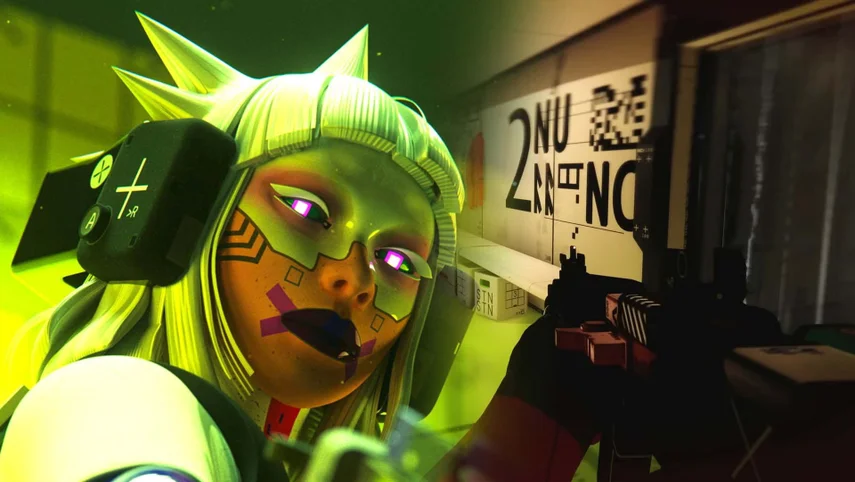
Four years later, the picture is more complicated. Destiny 2 has struggled to maintain the momentum needed for a game built around long-term engagement, while Marathon appears to have entered the market with strong core-player interest but not enough commercial force to fully meet Sony’s expectations.
Sony has not described Marathon as a failure. In fact, the company has pointed to positive signs, including strong player reception, solid retention and favorable review activity. The issue is scale. A premium live-service shooter with a large development budget needs more than a passionate early audience. It needs broad reach, recurring spending and a steady stream of new users to justify years of investment.
That is where the extraction shooter format may be working against Bungie. These games can create intense, memorable moments for dedicated players, but they are often less welcoming to casual audiences. A steep learning curve, high-pressure matches and complex endgame systems can make the experience rewarding for hardcore fans while limiting mainstream growth.
This is the challenge Sony now faces. The company does not just need Marathon to be respected by committed players. It needs the game to grow into a wider commercial platform. Sony has already suggested that future updates, gameplay improvements and new content will be used to expand the user base, but turning a niche multiplayer experience into a larger hit is never easy.
What makes the situation more interesting is that PlayStation’s wider business is not collapsing. Sony’s Game & Network Services segment still produced strong full-year operating income, helped by digital software, add-on content and network services. Monthly active users reached 125 million, showing that the PlayStation ecosystem remains highly active even as hardware growth slows.
Software sales also gave Sony something to lean on. Both first-party and third-party game sales improved year-over-year, while digital software and add-on revenue continued to support the business. As we recently explored in our latest gaming industry coverage on Swikblog, publishers are increasingly depending on recurring digital ecosystems rather than relying only on hardware sales.
Hardware, however, is clearly entering a more difficult phase. PS5 annual unit sales fell from 18.5 million to 16 million, while fourth-quarter sales dropped sharply from the same period last year. Sony has also faced rising component and memory costs, leading to price increases in several regions.
Even so, the PS5 has now passed 93 million cumulative sales, giving Sony a huge base of players to monetize through games, subscriptions, downloadable content and digital purchases. That installed base is one of the reasons Sony can still remain confident despite the Bungie hit.
This is where Marvel’s Wolverine becomes especially important. Insomniac Games’ upcoming PS5 exclusive represents the side of PlayStation that has historically worked best: premium, story-led, character-driven games with global brand recognition. While Bungie reflects Sony’s riskier live-service ambitions, Insomniac reflects its proven blockbuster model.
Marvel’s Wolverine is expected to deliver a darker and more violent superhero experience than Insomniac’s Spider-Man games, with heavy melee combat and a standalone story built around Logan. The game also benefits from the strength of the Marvel name and Insomniac’s reputation for polished PlayStation exclusives.
That contrast matters. Sony’s live-service strategy has become expensive and uncertain, but its single-player identity remains one of the strongest in gaming. Players still associate PlayStation with major first-party releases, and Wolverine could give the company a major 2026 win at a time when headlines around Bungie are damaging confidence.
Read More
The timing is also useful. A major Wolverine release gives Sony a chance to shift attention away from write-downs, slowing PS5 hardware sales and questions about live-service spending. It also gives PlayStation a recognizable exclusive that can appeal to both comic book fans and traditional action-adventure players.
For Sony, the lesson is not that live-service games are impossible. They can be hugely profitable when they work. But Bungie’s impairment proves how risky the model has become. Big budgets, long development cycles and demanding player expectations can turn even experienced studios into financial pressure points.
Sony now has to prove it can manage both sides of its gaming strategy: support live-service projects without letting them drain confidence, while continuing to deliver the premium exclusives that built the PlayStation brand. Bungie’s $765 million impairment is a warning. Marvel’s Wolverine is Sony’s chance to remind players what PlayStation still does best.
For official financial information, readers can review updates from Sony Investor Relations.

Make Swikblog your go-to source on Google for reliable updates, smart insights, and daily trends.