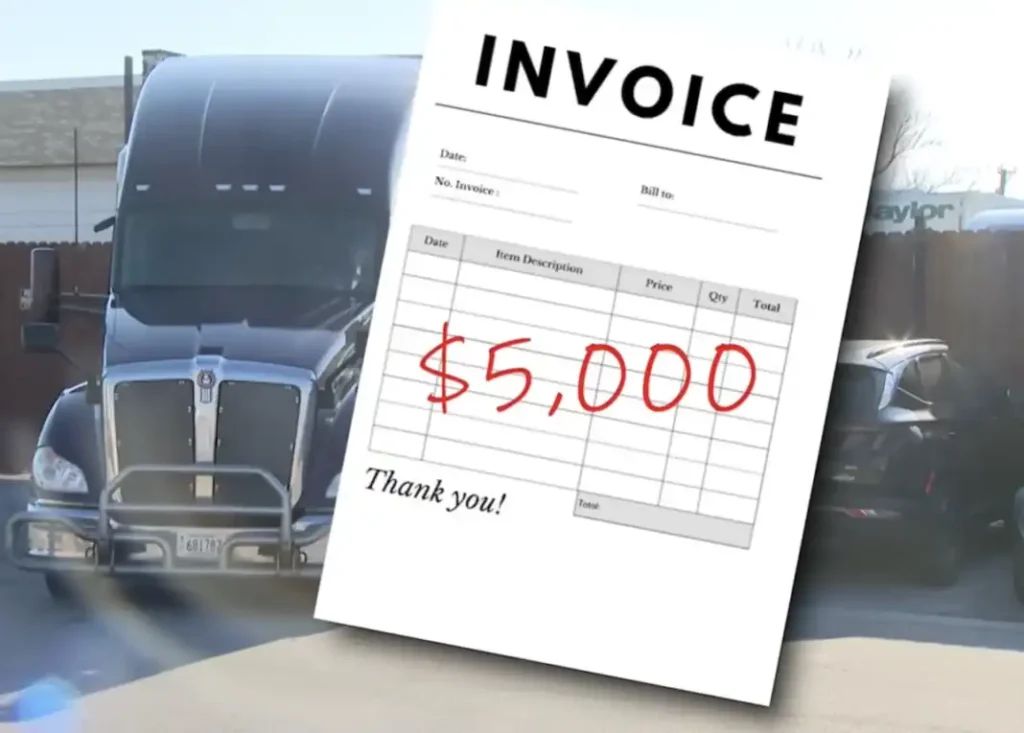

A Wisconsin trucking company’s fight over a $46,000 towing bill has turned into a wider warning for carriers operating around Chicago, after the amount was reportedly reduced to $5,000 once a local news crew and police became involved.
DPW Trucking said the dispute began after one of its trucks became stuck beneath a Chicago viaduct in early April. The company expected the recovery to cost a few thousand dollars, but the situation changed when the vehicle was later held at an impound lot in Oak Lawn, Illinois, and the business was presented with a far larger bill.
The final demand, according to the company, was $46,000. For many small trucking operators, that kind of invoice can threaten cash flow almost immediately. A truck stuck in a yard is not moving freight, not producing revenue and may still be tied to driver costs, repair delays, insurance communication and customer deadlines.
Tim Smith of DPW Trucking said the company was stunned by the figure. The reaction was not just about the size of the invoice, but about how sharply it appeared to differ from the original expectation for the recovery work.
The company’s owner, Kristin Crawford, then began looking into Official Towing, the firm involved in the dispute. Her search led her to earlier complaints connected to heavy-duty towing charges, raising concern that DPW Trucking was not the first carrier to face a similar situation.
Crawford said attempts to discuss the bill privately did not lead to progress. She claimed the company was difficult to reach by phone and unwilling to negotiate the rate. That left DPW Trucking with few options while the vehicle remained out of service.
Instead of paying the full amount, Crawford contacted another trucking business that had reportedly dealt with the same towing company before. The advice she received was direct: outside attention had been the only thing that helped move the dispute forward.
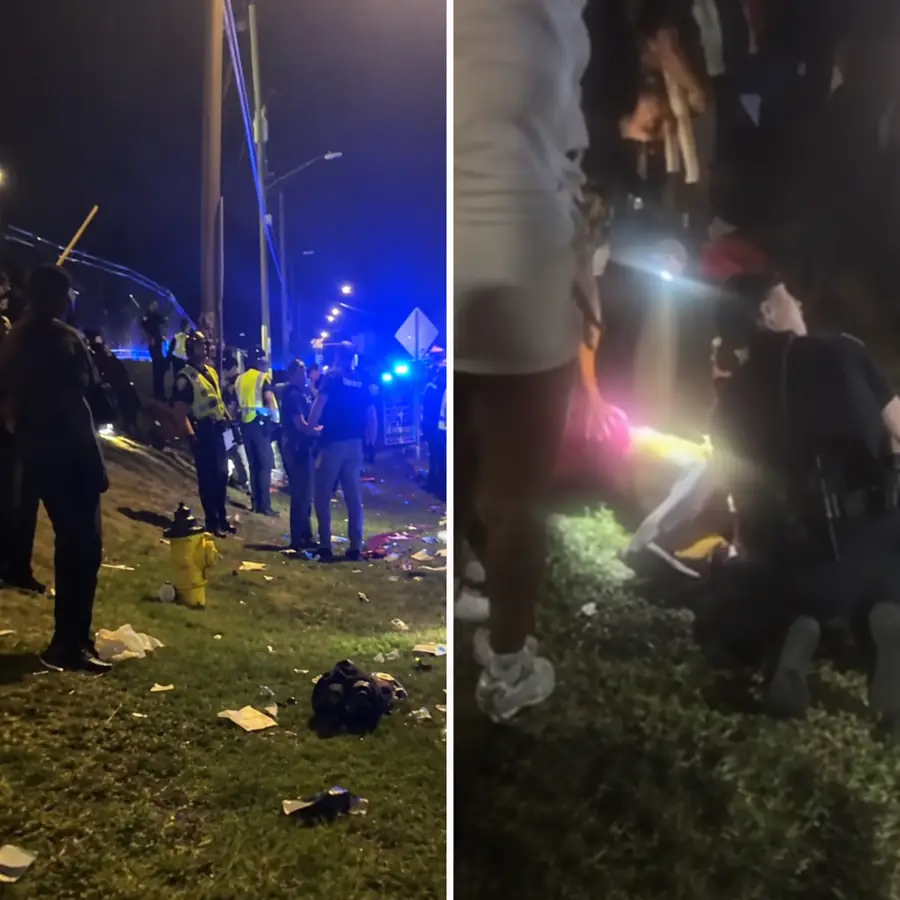
DPW Trucking then contacted WGN News. After reporters met Crawford and Smith outside the Official Towing lot on South Kilpatrick Avenue in Oak Lawn, the dispute took a sharp turn. The towing company owner reportedly offered to release the truck for $5,000 rather than the original $46,000 bill.
Oak Lawn police were also involved as the company recovered the vehicle. DPW Trucking eventually retrieved the truck and returned it to Wisconsin, ending a weeks-long fight that had left the business facing both a large invoice and lost operating time.
According to WGN’s report carried by AOL, Crawford later described the change in tone after media and police arrived by saying the operators “scurry” when public attention appears. She also said the truck likely would still be sitting in the lot without that outside pressure.
Why the dispute matters beyond one truck
The DPW Trucking case stands out because of the scale of the price drop. A bill moving from $46,000 to $5,000 represents a reduction of more than 89%. That gap is what has made the story spread quickly among drivers, fleet owners and trucking industry readers.
Heavy-duty towing can be expensive for legitimate reasons. Recovering a tractor-trailer from a bridge strike or a difficult roadway position may require specialized wreckers, trained operators, traffic control and careful handling to avoid further damage. Those costs are real.
Read More
- Visit Swikblog Homepage
- Marvel’s Wolverine Release Date PS5: September 2026
- CSIRO to Slash 350 Jobs Despite $387 Million Federal Funding Boost
- Palantir’s Viral $239 Chore Coat Sparks Backlash
- IKEA Garlic Press Recall Over Metal Fragment Risk
- Sydney Chinatown Golden Water Mouth Sculpture Removal Raises Heritage Concerns
The problem for carriers begins when the pricing is unclear, the invoice is not fully explained or the vehicle cannot be released until a disputed amount is paid. In those moments, a trucking company may feel trapped between protecting its finances and getting critical equipment back on the road.
Predatory towing complaints have become a serious concern across the industry. The issue has attracted attention from federal officials, including the Federal Motor Carrier Safety Administration and the Federal Trade Commission, as regulators examine junk fees and unfair billing practices that can hit drivers and carriers after crashes or nonconsensual tows.
An industry report from The Trucker noted that predatory towing fees have become a growing issue in trucking, with federal officials warning that drivers cannot earn a living when their vehicles are held after a tow.
That concern is especially sharp for smaller operators. A major fleet may have legal teams, preferred towing networks and established claims processes. A smaller trucking business may have to handle the dispute while also managing customers, drivers and insurance calls with limited staff.
In DPW Trucking’s case, the public pressure changed the outcome. But the broader lesson for carriers is to document every step of a recovery. That includes the first quote, the time of the call, the number of trucks sent, the equipment used, the names of people involved, storage fees and any communication about release conditions.
Carriers should also ask for an itemized invoice as early as possible and contact their insurer before agreeing to any major payment. When police order a tow after a crash or obstruction, trucking companies should still ask whether they can use a preferred recovery provider or at least receive clear documentation of rates.
The Chicago-area dispute also raises questions about oversight. Official Towing and recorded owner Ahmed Shalabi have previously faced scrutiny related to licensing and towing practices, according to reports. Shalabi has reportedly described Chicago’s licensing process as difficult, expensive and time-consuming for towing operators.
Even so, the central question for many trucking businesses is not whether heavy-duty recovery should be paid for. It is whether carriers have enough protection when a bill suddenly rises far above what they expected and the truck is already in someone else’s lot.
Swikblog has continued covering major U.S. public safety and legal developments, including this report on a fatal shooting near a Chicago campus.
For DPW Trucking, the immediate outcome was a recovered truck and a much smaller payment. For the wider industry, the story is another reminder that a towing dispute can quickly become a business crisis when transparency is missing.
The sharp reduction from $46,000 to $5,000 may now become the detail most people remember, but the bigger issue is what happened before that number changed: a trucking company had to turn to television cameras and police help before it could get its vehicle back.

Make Swikblog your go-to source on Google for reliable updates, smart insights, and daily trends.