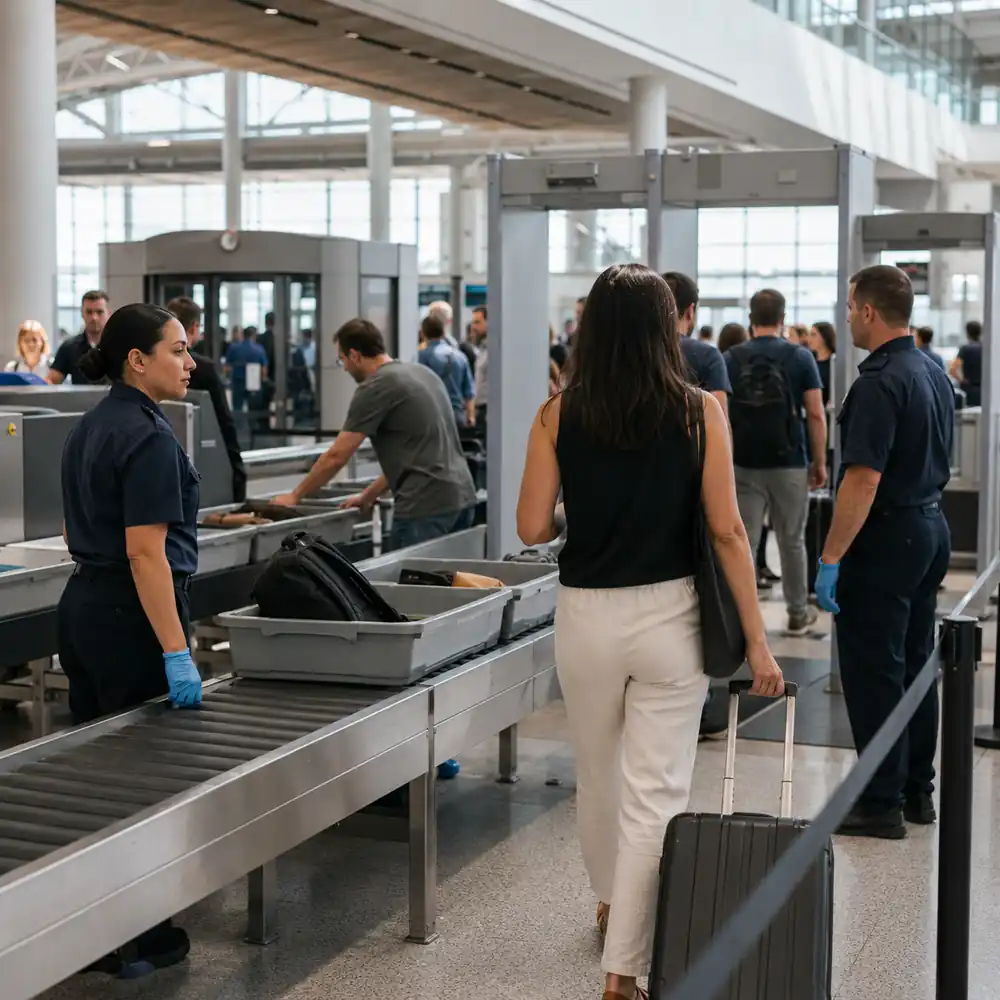

TSA Gold+ could become one of the most misunderstood airport stories of the summer. The name sounds like a premium travel pass, but passengers will not be signing up for a new fast lane. The real change is happening behind the checkpoint, where the federal government is preparing to give private security companies a larger role in how some U.S. airports screen travelers.
That makes TSA Gold+ more than a routine airport update. It arrives after months of pressure on the U.S. aviation system, with staffing shortages, funding fights and long security lines turning airport screening into a political and operational flashpoint. For summer travelers, the question is not whether Gold+ replaces TSA PreCheck. It does not. The bigger issue is whether private screening can make airports more resilient without weakening public trust in security.
TSA Gold+ is not TSA PreCheck with a new name
TSA Gold+ is a public-private airport security initiative built around the existing Screening Partnership Program. Under that program, private companies can screen passengers and baggage at participating airports while following TSA rules, using TSA-approved procedures and operating under federal oversight.
The official TSA Gold+ page describes the plan as a way to modernize aviation security at selected airports, expand screening capacity and bring private-sector support into staffing, equipment and maintenance. In plain terms, airports could get more flexibility over how checkpoint operations are run, while TSA keeps control of the security standards.
For passengers, that means the checkpoint may look almost the same at first. Travelers will still need valid identification, bags will still be scanned, liquid rules will still apply and TSA PreCheck will remain a separate trusted-traveler program. The visible difference may be that the person operating a lane or checking bags wears a contractor uniform instead of a standard TSA uniform.
The key travel takeaway: TSA Gold+ is not something passengers buy. It is something airports may adopt. Any effect on wait times will depend on which airports join, how contractors are used and whether staffing improves during peak travel periods.
Private screeners may target the real weak point: staffing pressure
The timing explains why Gold+ is drawing attention now. Airport security has become vulnerable to federal funding disruption. During recent shutdown pressure, travelers saw how quickly unpaid workers, resignations and staffing gaps can turn checkpoints into hours-long bottlenecks. Swikblog previously covered that disruption as TSA staffing losses pushed airport wait times past four hours, a warning sign for airlines, airports and passengers heading into peak travel season.
Supporters of TSA Gold+ argue that private operators could help airports respond faster. Contractors may be able to recruit staff, maintain equipment and adjust operations without waiting for slower federal processes. That could matter most at smaller airports, seasonal travel hubs and overloaded terminals where one staffing gap can disrupt an entire morning schedule.
But the criticism is serious. Unions representing TSA officers argue that aviation security should not be driven by contract economics. Their concern is that private companies may face pressure to cut costs, win low-bid contracts or prioritize passenger throughput over long-term safety culture. That fear carries historical weight because U.S. airport screening was federalized after the September 11 attacks, when privately run checkpoint security came under intense scrutiny.
The debate, then, is not simply “public versus private.” It is about accountability. A faster checkpoint only helps travelers if the security system remains consistent, well-supervised and properly staffed. If Gold+ creates a patchwork where airports operate differently from one another, passengers may notice more confusion rather than less.
For summer travel plans, the practical advice remains grounded. Check your airport’s current security guidance before flying, arrive earlier during holiday and weekend peaks, and do not assume Gold+ creates a shortcut. The program may eventually reduce pressure at some checkpoints, but it will not remove standard screening rules or guarantee shorter lines everywhere.
TSA Gold+ could still become a major turning point for U.S. airport security. Its success will depend on whether private partners can fix the system’s staffing and technology gaps without turning aviation security into a cost-cutting experiment. This summer, travelers may not see a dramatic overnight change, but the structure behind the checkpoint may already be starting to shift.
Read More
- Visit Swikblog Homepage
- EDC Las Vegas 2027 Expands to Two Weekends
- Mt Eden Prison Staff Arrested in Auckland Operation
- QantasLink Launches $99 Flight Sale Across Australia
- Gemini Pro Users Hit by Cancellations and AI Limits Backlash
- Singapore Airlines Doubles Cancellation Fees for Long-Haul Flights

Make Swikblog your go-to source on Google for reliable updates, smart insights, and daily trends.