
Vizsla Silver is under intense global attention after confirming that nine of its ten workers who were abducted in Mexico earlier this year have now been found dead. The tragic update, tied to escalating cartel violence in Sinaloa, marks one of the most disturbing incidents involving a foreign mining company in recent years.
The workers were kidnapped on January 23 from a gated residential compound in Concordia, near the company’s Panuco gold and silver project. What began as a disappearance quickly evolved into a major investigation, and months later, the outcome has turned devastating for families, the company, and the wider mining sector.
According to Vizsla Silver, nine employees have now been confirmed dead, while one worker remains missing. The company said it continues to stay in close contact with the family of the missing individual and is cooperating fully with Mexican authorities.
Timeline of abduction and discovery
The incident first came to light in late January when reports emerged that ten workers had been taken from company-linked housing in Concordia, a municipality roughly 50 kilometres east of Mazatlán in the northwestern state of Sinaloa.
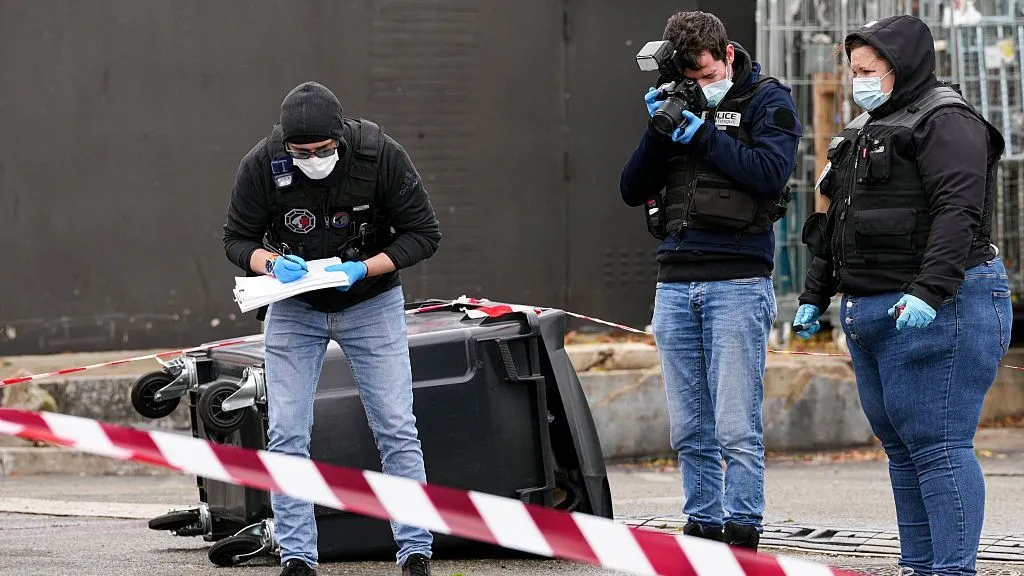
In February, Mexican authorities discovered multiple bodies in the same region where the search operations were underway. Initially, only a few victims could be identified, with officials confirming that three of the abducted workers were among the dead. Over the following weeks, identification efforts continued, gradually confirming additional victims.
Authorities later confirmed that ten bodies had been recovered in total, though not all were immediately linked to the workers. As forensic identification progressed, Vizsla Silver received updates from families and officials confirming more deaths, until the latest confirmation brought the total to nine deceased workers.
Mexican prosecutors also reported the arrest of four individuals believed to be connected to the kidnappings, though the investigation remains ongoing and authorities have not ruled out involvement from larger criminal networks.
Cartel conflict at the centre of the case
Officials have linked the abduction to violent infighting between rival factions of the Sinaloa cartel, one of Mexico’s most powerful organized crime groups. The conflict involves “Los Chapitos,” associated with the sons of Joaquín “El Chapo” Guzmán, and a rival faction known as “La Mayiza,” aligned with the network of Ismael “El Mayo” Zambada.
This turf war has intensified over the past year, turning parts of Sinaloa into high-risk zones where businesses, including mining operations, face increasing threats. Criminal groups are known to target mines for extortion or to gain control over valuable resources.
The fact that the workers were taken from a secured residential compound has raised serious concerns about the reach and coordination of these groups.
For broader context on cartel influence in mining regions, this Reuters report on mining security risks in Mexico outlines how criminal networks are increasingly targeting the sector.
Government response and company scrutiny
The incident has also drawn attention from Mexico’s highest levels of government. President Claudia Sheinbaum confirmed that authorities are not only investigating the criminal aspects of the case but are also reviewing whether the company itself may bear any responsibility.
“We have to look into exactly what the labour conditions were for these miners and see if there is or isn’t responsibility,” she said in February, signaling potential scrutiny of workplace safety and operational practices.
Vizsla Silver has stated that it is fully cooperating with investigators and remains committed to transparency throughout the process.
CEO Michael Konnert described the outcome as “devastating,” adding that the company stands beside the victims’ families. “We will always carry this loss with us,” he said, emphasizing ongoing support for affected communities in Sinaloa.
Global Affairs Canada previously confirmed that no Canadian citizens were reported among the missing workers, indicating that the victims were primarily local employees.
The tragedy has triggered emotional responses across mining communities in Mexico. Families of the victims have held marches and vigils, with images of grieving relatives highlighting the human cost behind the incident.
At the same time, the case is raising broader questions about the risks faced by workers in regions affected by organized crime. Reports from families have suggested that workers were operating in areas with visible cartel presence, including checkpoints and ongoing violence.
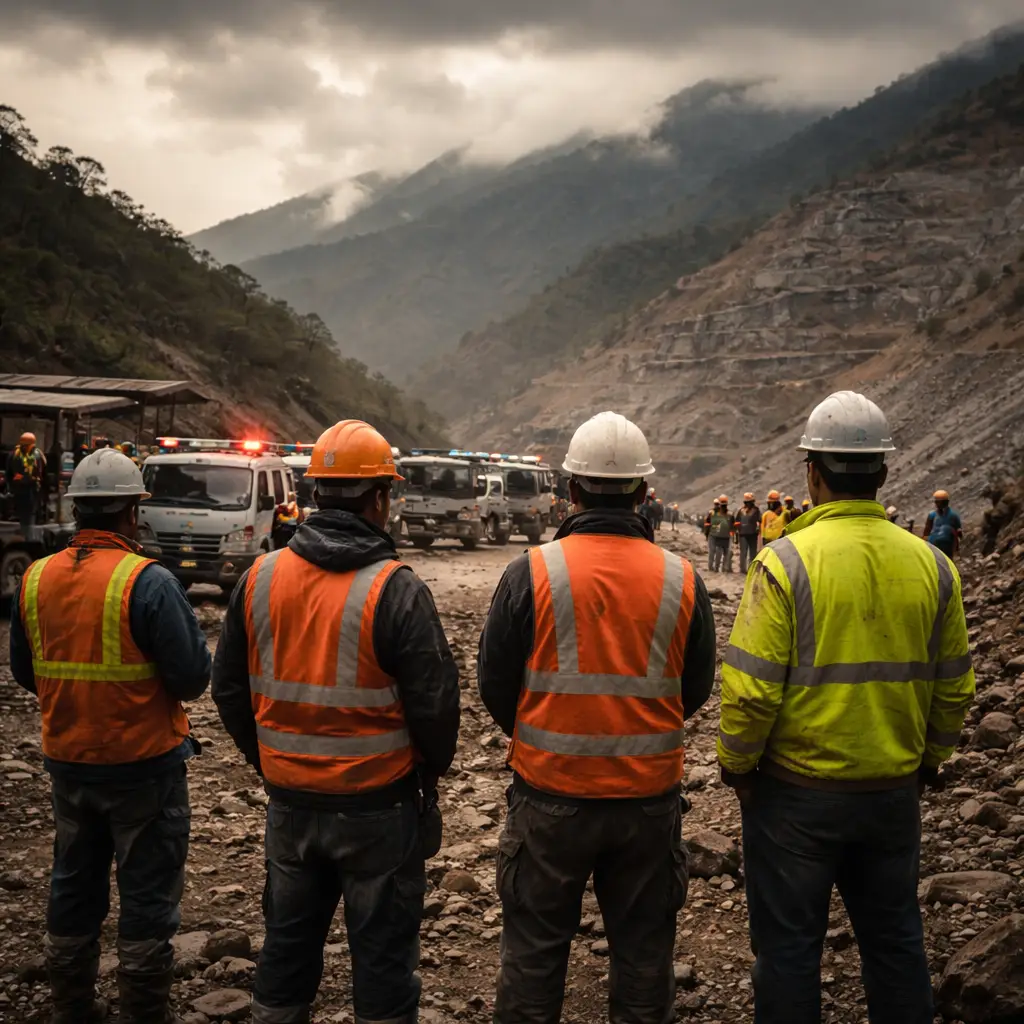
For the mining industry, the incident underscores a growing challenge. Many valuable mineral projects are located in regions where security risks are difficult to control, forcing companies to navigate complex local dynamics while ensuring worker safety.
From an investor perspective, such incidents can have lasting implications. While Vizsla Silver’s Panuco project remains a key asset in an underexplored silver belt, the security situation could influence future operational decisions and risk assessments.
With one worker still missing and investigations ongoing, attention is now focused on accountability, safety reforms, and whether additional measures will be introduced to protect workers in high-risk zones.
The coming developments will not only shape the future of Vizsla Silver’s operations in Mexico but could also redefine how mining companies approach security in some of the world’s most resource-rich yet volatile regions.
You may like: Michigan 69-63 UConn NCAA Championship 2026

Make Swikblog your go-to source on Google for reliable updates, smart insights, and daily trends.