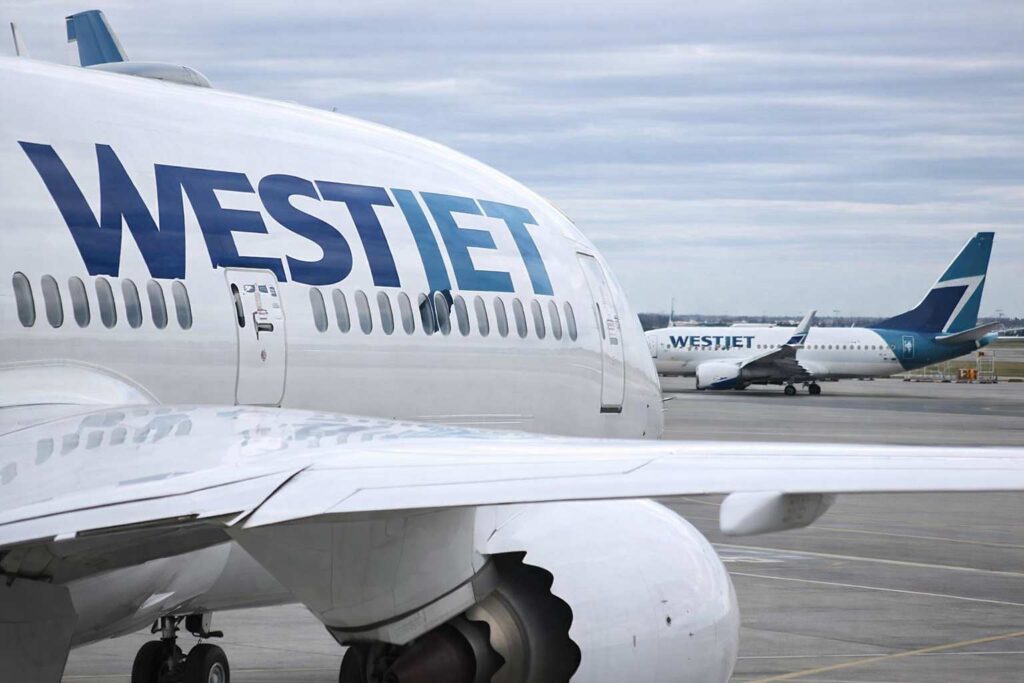

WestJet is introducing a temporary $60 fuel surcharge on select bookings as soaring jet fuel prices ripple through Canada’s airline industry, raising concerns that air travel could become significantly more expensive in the months ahead.
The Calgary-based airline said the surcharge will apply to bookings made using companion vouchers starting Wednesday, as it struggles to offset a sharp rise in fuel costs driven by global supply disruptions. The move comes alongside capacity cuts, with WestJet reducing flights by around 1 per cent in April and 3 per cent in May after consolidating routes with weaker demand.
The decision reflects mounting pressure on airlines as fuel — already their single largest operating expense — becomes increasingly volatile. Industry experts say the recent surge has been accelerated by geopolitical tensions, including the ongoing conflict involving Iran, which has tightened fuel supply and pushed prices higher worldwide.
Fuel costs surge sharply as airlines face pressure
The scale of the increase has been striking. According to aviation analysts, the fuel cost for a Boeing 787-9 flight from Vancouver to Hong Kong rose from about $71,485 in late February to roughly $110,000 by mid-March — an increase of nearly $40,000 for a single trip.
Such jumps leave airlines with limited options. While ticket prices can be adjusted gradually, certain fare products — like companion vouchers — are less flexible, making targeted surcharges one of the few immediate tools available to recover costs.
“Fuel is the largest contributor to airline operating costs,” the airline said, noting the surcharge is intended as a temporary measure that will be reviewed as market conditions evolve.
Analysts say the industry’s economics leave little room for error. Airlines operate on tight margins, and even short-term spikes in fuel prices can quickly erode profitability. The result is often a combination of higher fees, reduced capacity and fuller aircraft — all of which ultimately affect passengers.
Travellers may face higher fares and fewer options
For travellers, the impact is likely to extend beyond a single surcharge. Reduced flight frequency on some routes means fewer choices and potentially more crowded planes, while additional fees could gradually appear across the booking process — from ticket pricing to baggage and ancillary services.
Experts warn that WestJet’s move may not be isolated. If fuel prices remain elevated, other carriers could introduce similar surcharges or adjust fares more aggressively, particularly heading into the peak summer travel season.
The situation highlights how quickly global events can reshape everyday expenses. What begins as a disruption in fuel supply can translate into higher travel costs within weeks, affecting everything from leisure trips to business travel.
For now, airlines appear to be balancing cost recovery with maintaining demand — but as fuel markets remain uncertain, travellers may need to prepare for a period of steadily rising airfares. More insight into global airline cost pressures can be found through the International Air Transport Association, which tracks trends shaping the aviation sector.
You may also like The Strokes’ “Reality Awaits” puts new album rumors back in focus.

Make Swikblog your go-to source on Google for reliable updates, smart insights, and daily trends.