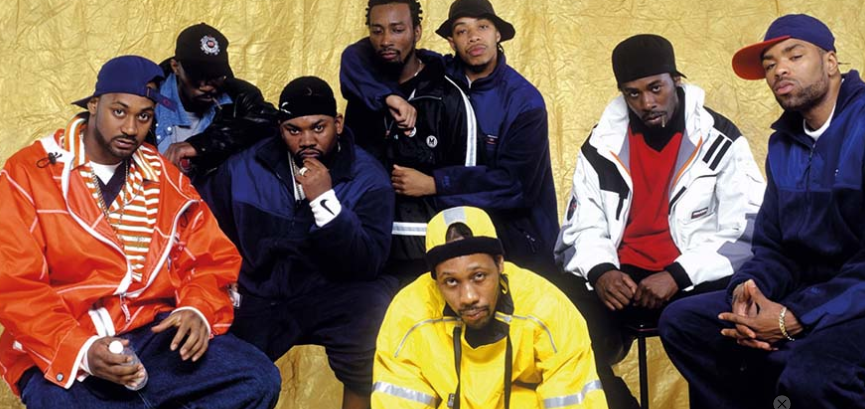

What was supposed to be a historic farewell for one of hip-hop’s greatest collectives has quickly turned into controversy. The Wu-Tang Clan’s “final tour” in Australia is facing backlash after several major members failed to appear, leaving fans angry, disappointed, and in many cases, feeling outright misled.
The tour was heavily promoted as a once-in-a-lifetime event featuring “all living members in one room for the final time”. But as the Australian shows unfolded, that promise began to unravel.
Missing Legends Spark Fan Outrage
Fans attending the Australian leg were shocked to discover that key Wu-Tang members — Method Man, Raekwon, Young Dirty Bastard (YDB), and Cappadonna — were not present on stage.
For many, this wasn’t just a minor lineup change. These artists are central to the Wu-Tang identity. Method Man alone represents one of the group’s most iconic voices, while Raekwon’s influence helped shape the sound of East Coast hip-hop.
Without them, fans say the experience felt incomplete — not the legendary reunion they were promised, but something closer to a partial tribute.
The reaction online has been swift and emotional, with many fans saying they felt “conned” after paying premium prices expecting a full Wu-Tang lineup.
“Final Tour” Promise Under Fire
The biggest source of frustration isn’t just the absence — it’s the marketing.
The tour was sold as a historic final gathering, creating urgency and emotional investment. Fans believed they were witnessing the last-ever moment where all living members would share the stage together.
But when that promise didn’t materialize, it triggered a deeper sense of betrayal.
Early coverage of the tour announcement emphasized the full reunion angle, with reports highlighting that Australian fans would get a rare chance to see the entire group together. You can read one such announcement on Music Feeds, where the full lineup was a major selling point.
That’s why the backlash feels so intense — this wasn’t just another concert. It was marketed as a piece of hip-hop history.
Fans Point to “Fine Print Culture”
For many Australian concertgoers, this situation feels all too familiar.
There’s growing frustration around international tours where headline claims don’t fully match reality. Promoters often rely on fine print disclaimers to protect themselves legally, but fans argue that those disclaimers don’t excuse misleading marketing.
In this case, the gap between expectation and reality has become impossible to ignore.
Instead of celebrating a legendary farewell, many attendees say they spent the night questioning what exactly they paid for.
Even Small Details Added to the Frustration
Adding fuel to the fire, some fans pointed out basic errors that made the experience feel even less polished.
One widely shared complaint? Tickets reportedly misspelled “Melbourne,” raising questions about the overall attention to detail surrounding the tour.
While this might seem minor on its own, combined with missing members and unmet expectations, it contributed to a growing perception that the event was rushed or poorly managed.
Show Quality Concerns Also Surface
Beyond the lineup controversy, some attendees also criticized the overall concert experience.
A review from The Courier-Mail highlighted issues such as delayed start times and poor sound mixing during the Brisbane show.
These technical problems only amplified the disappointment. Fans who might have overlooked missing members were less forgiving when the performance itself didn’t meet expectations.
In a high-stakes “final tour,” audiences expect near-perfect execution — anything less stands out immediately.
Legacy at Risk?
Wu-Tang Clan’s legacy is built on unity, authenticity, and cultural impact. Every member represents a piece of a larger story that helped redefine hip-hop.
That’s why an incomplete lineup hits harder than it would for most groups. For devoted fans, Wu-Tang isn’t just music — it’s identity, nostalgia, and history.
When a “final tour” doesn’t reflect that full identity, it risks diluting the very legacy it’s meant to celebrate.
There’s also growing skepticism around the “final” label itself. Reports suggest the tour brand may continue beyond this run, including additional international dates, which raises questions about how final this farewell really is.
The Bigger Industry Lesson
This controversy goes beyond Wu-Tang Clan. It highlights a broader issue in the live music industry: the gap between marketing and reality.
Fans today are more informed and more vocal than ever. When expectations aren’t met, backlash spreads quickly across social media, turning disappointment into a full-blown narrative.
Promoters and artists need to recognize that transparency matters just as much as hype. Selling a slightly smaller experience honestly is far better than overselling something that can’t be delivered.
The Bottom Line
The Wu-Tang Clan remains one of the most respected names in hip-hop history. But this Australian tour controversy shows how quickly goodwill can be shaken when expectations aren’t met.
For fans, the issue isn’t just about who was on stage — it’s about what was promised.
When a tour is marketed as the final chance to see a full legendary lineup, anything less feels like a compromise. And for many in Australia, that compromise has turned what should have been a celebration into a disappointment.
As one sentiment echoed across fans: this wasn’t the Wu-Tang they paid to protect.

Make Swikblog your go-to source on Google for reliable updates, smart insights, and daily trends.