
The cargo ship MV Raider, once at the center of a massive international drug bust involving nearly 5 tonnes of cocaine, has now reached Sydney Harbour under completely unexpected circumstances. Instead of being intercepted with drugs onboard, the vessel entered Australia after issuing a distress call due to critical shortages of food, fuel, and water — a twist that has left both authorities and observers asking serious questions.
The case, which began near French Polynesia earlier this year, has now evolved into a complex story involving international law, maritime safety, and border security concerns. What’s grabbing attention globally is one key detail: none of the 11 crew members have been arrested despite the ship’s direct link to one of the largest cocaine seizures in the region.
From 5 tonnes cocaine seizure to distress call in the Pacific
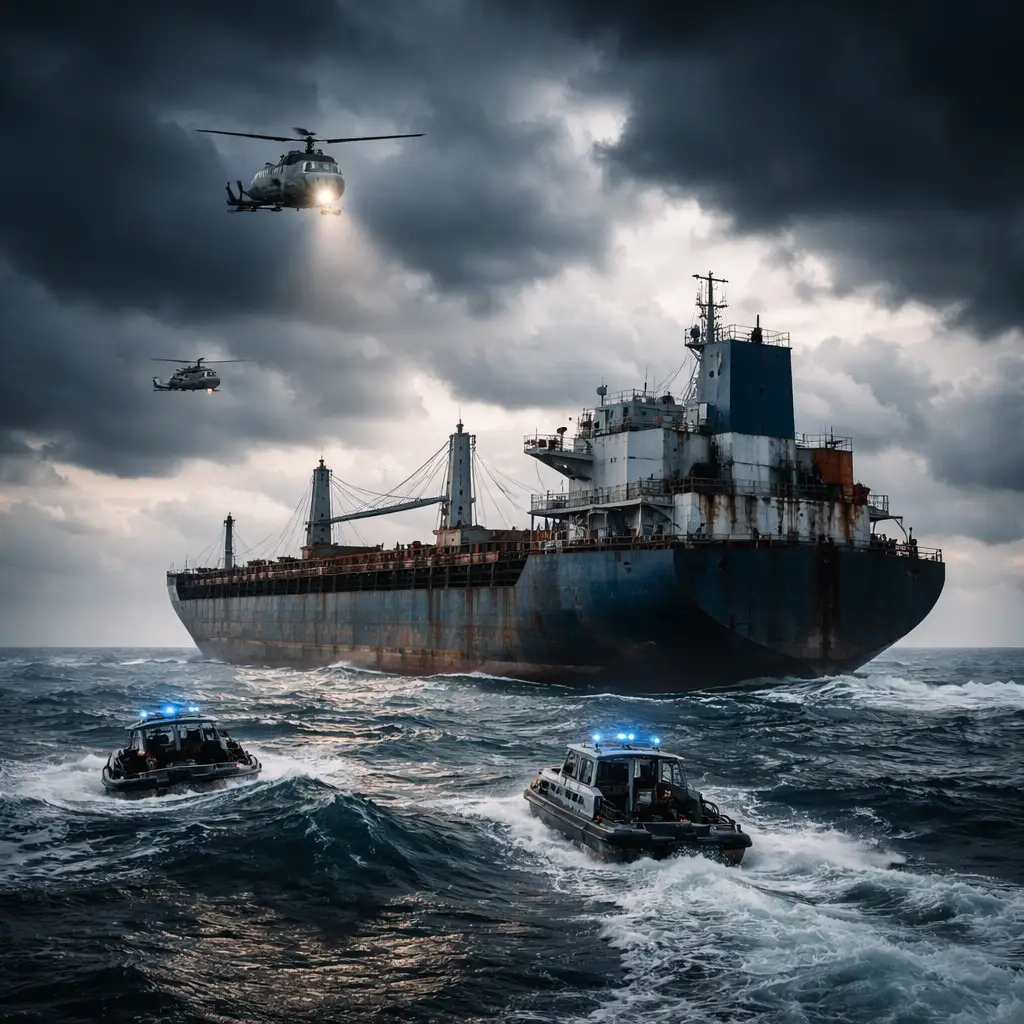
The drama started in January when French authorities intercepted the MV Raider in international waters near French Polynesia. On board, officials discovered close to 5,000 kilograms of cocaine, a haul large enough to be valued in the hundreds of millions of dollars on the global market.
In a decisive move, the drugs were seized and dumped at sea, effectively removing the illegal cargo from the vessel. However, instead of detaining the ship and crew indefinitely, French authorities allowed the MV Raider to continue its journey toward Australia.
That decision has now become a major talking point, as the vessel later issued a distress signal while heading toward Sydney. According to maritime authorities, the crew had run dangerously low on basic supplies, with reports indicating they had only about 200 litres of water left for 11 people — a situation that raised serious humanitarian concerns.
The Australian Maritime Safety Authority (AMSA) coordinated the response, escorting the vessel safely into Sydney Harbour, where it is currently moored at Snails Bay, a facility used for ships requiring special assistance.
Why the crew avoided arrest despite the massive drug link
The biggest question surrounding the MV Raider’s arrival is simple: how can a ship tied to 5 tonnes of cocaine enter Australia without immediate arrests?
The answer lies in jurisdiction and timing. By the time the ship reached Australian waters, the cocaine was no longer on board. The seizure had already been handled by French authorities in international waters, meaning the physical evidence of drug trafficking had been removed from the vessel.
Legal experts say this creates a complicated situation. Since the alleged criminal activity — including any conspiracy related to drug transport — occurred outside Australian territorial jurisdiction, it may not automatically trigger Australian criminal charges.
In simple terms, without drugs on the ship and without a direct importation attempt into Australia, local authorities may have limited grounds to act. As a result, the crew members are expected to be placed in immigration detention while officials assess the vessel and determine next steps, rather than being treated as criminal suspects under Australian law.
This legal grey area is exactly what has turned the case into a headline-grabbing “shocking twist.”
Concerns for crew and mystery around ship’s history
Beyond the legal complexities, there are also serious welfare concerns. Maritime worker representatives have highlighted the difficult conditions faced by the crew, many of whom are from Ecuador and Honduras. Reports suggest they had been operating under limited supplies for days before help arrived.
At the same time, the vessel itself is raising eyebrows. According to shipping data and maritime sources, the MV Raider appears to have a limited tracking history, with records only emerging from late 2025. That lack of long-term visibility has led to speculation about the ship’s past movements and ownership structure.
Adding another layer to the story, the crew had reportedly signed contracts stating the vessel was being transported from Panama to Australia to be delivered to new owners. However, details about these owners remain unclear, further deepening the mystery.
Political reactions and border security debate intensifies
The arrival of the MV Raider has quickly become a political issue in Australia. Critics argue that the situation exposes potential gaps in border monitoring, especially when vessels previously linked to major drug trafficking operations are able to reach Australian ports.
On the other hand, officials point out that the case is far from straightforward. With French authorities already taking action and the drugs no longer present, Australia’s role is limited to ensuring safety, assessing the vessel’s condition, and handling immigration procedures.
Still, the optics are powerful — a ship once carrying tonnes of cocaine entering Sydney Harbour without arrests is bound to raise concerns among the public.
For readers trying to understand the bigger picture, this case highlights how international drug enforcement works in practice. Operations often involve multiple jurisdictions, and once one country takes primary action, others may have limited authority to follow up unless new offences occur within their borders.
For more on maritime safety operations, visit the Australian Maritime Safety Authority. You can also follow ongoing updates via ABC News Australia.
As investigations continue, the MV Raider remains a symbol of how complex global drug cases can become — where a story that starts with one of the Pacific’s largest cocaine seizures ends not with arrests, but with a distressed ship, unanswered questions, and a growing international spotlight.

Make Swikblog your go-to source on Google for reliable updates, smart insights, and daily trends.