
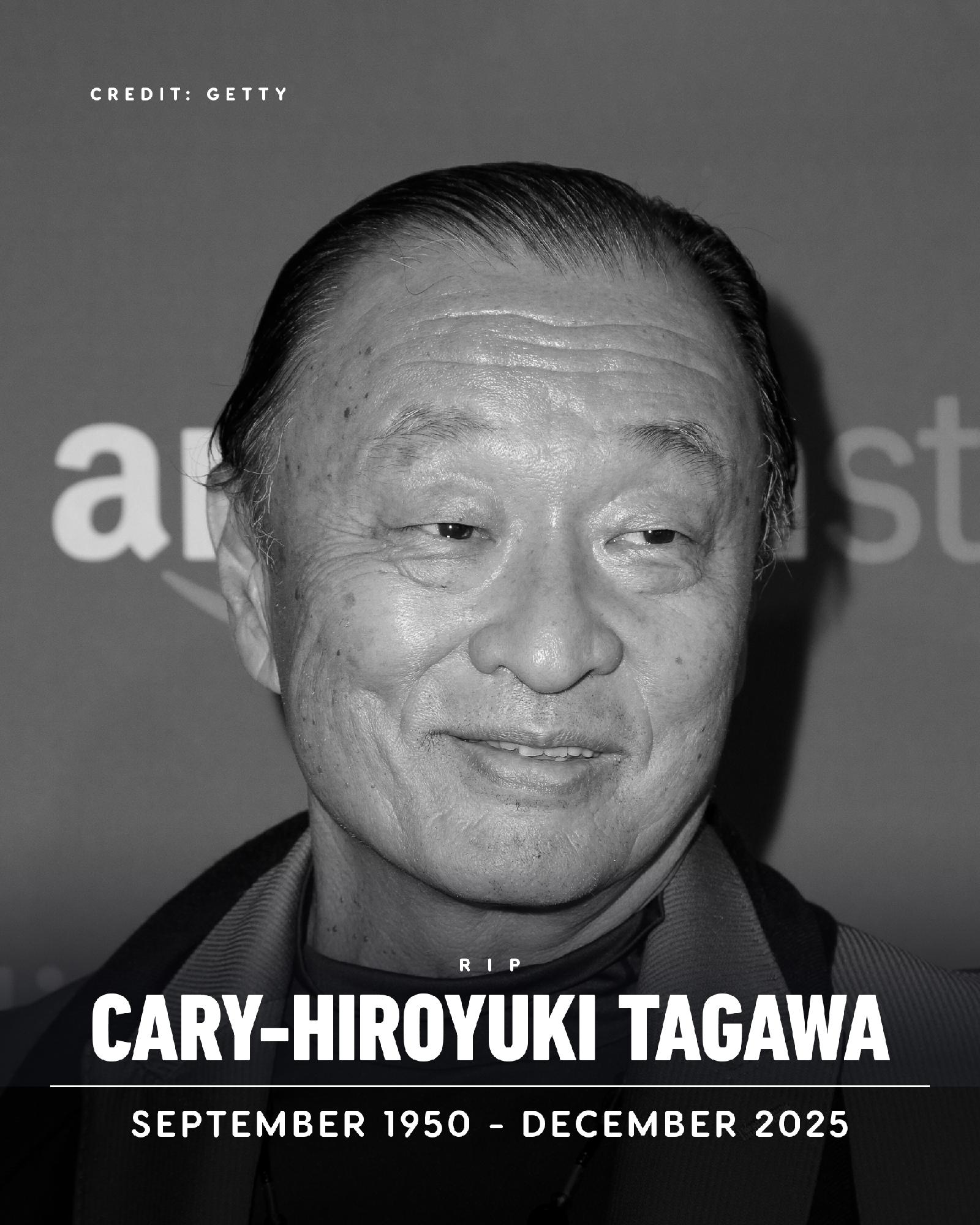
Cary-Hiroyuki Tagawa, the Japanese-American actor who turned a video-game villain into a global cultural icon, has died at 75 — and for millions of fans, it feels far more personal than a headline.
Written by Swikblog News Desk
When news broke that Cary-Hiroyuki Tagawa had died in Santa Barbara, California, at the age of 75 from complications of a stroke, tributes began pouring in from every corner of the world. For many, he was not just another Hollywood character actor. He was Shang Tsung — the chilling, unforgettable sorcerer who stepped out of the arcade and onto the big screen in Mortal Kombat, and in doing so, became part of their childhood.
His family confirmed that Tagawa died surrounded by his children, a quiet and intimate end to a career defined by intensity and presence on screen. Major outlets including the Associated Press and entertainment trades have already documented his filmography: The Last Emperor, Licence to Kill, Rising Sun, Pearl Harbor, Memoirs of a Geisha, and the alternate-history series The Man in the High Castle. But what fans are mourning today is not just a list of credits. They’re grieving a presence.
The villain who stole the story
In the 1995 film adaptation of Mortal Kombat, Tagawa’s Shang Tsung had relatively limited screen time, but he walked away with the movie. The narrowed eyes, the slow, deliberate delivery, the slight curl at the edge of a smile — every frame felt calculated. When he uttered the now legendary line, “Your soul is mine,” it wasn’t just campy dialogue; it was a moment that imprinted itself on an entire generation of gamers and moviegoers.
Tagawa would return to the role again and again, across sequels, web series and even video games, lending his likeness and voice to modern titles in the franchise. For the studio, he was a reliable villain. For fans, he was the definitive one. Even decades later, when fresh reboots and new actors stepped into the Mortal Kombat universe, online debates routinely circled back to the same conclusion: there is only one Shang Tsung.
Beyond Mortal Kombat: a quiet pioneer
To reduce Tagawa’s legacy to one villain would be to ignore the breadth of his work and the context in which he worked. For years, Asian and Asian-American actors in Hollywood were pushed into narrow stereotypes — gangsters, henchmen, silent martial artists. Tagawa often played antagonists, but he brought a controlled dignity and layered menace that made those roles feel more like commentary than caricature. His performances hinted at interior lives that scripts did not always bother to write.
As profiles over the years have noted, Tagawa studied martial arts and later developed his own philosophy-infused practice, integrating discipline, spirituality and wellness rather than glorifying violence. That outlook quietly pushed against the way Hollywood often used Asian bodies on screen: as spectacle rather than as full human beings. In shows like The Man in the High Castle, where he played Trade Minister Nobusuke Tagomi, audiences finally saw more of his range — introspective, weary, morally conflicted — the opposite of a one-note villain.
How fans are saying goodbye
On social media, grief for Tagawa has taken on a very particular shape. Many are posting grainy screenshots from old VHS rips of Mortal Kombat, or sharing clips from the film’s final tournament scenes. Others are describing late-night gaming sessions in the 1990s, when arcades, consoles and action movies blurred into one ecosystem — and Tagawa sat right at the centre of it.
One fan wrote that Mortal Kombat “wouldn’t have been half as scary or half as fun without his face on the screen,” while another described him as “the man who made video-game movies feel serious before anyone believed they could be.” That sense of personal ownership — fans remembering where they were when they first saw him — is what makes his passing feel so heavy.
A legacy that outlives the franchise
In a media landscape where franchises are constantly rebooted, recast and reimagined, it is rare for one performance to become so definitive that it anchors a character for thirty years. Tagawa did exactly that. Even new generations who encounter Shang Tsung for the first time via recent games are often introduced to his original 1995 performance through clips and memes.
Entertainment writers are already revisiting his career in longform pieces, while sites like Entertainment Weekly are placing him within the broader story of Asian representation in Western cinema. For outlets like Swikblog, which often chronicle how fandoms shape modern culture, Tagawa’s death is also a reminder of how 1990s pop culture still drives nostalgia, clicks and conversation today.
Cary-Hiroyuki Tagawa leaves behind his children, grandchildren and a body of work that spans continents, genres and mediums. But for most people searching his name today, the image that appears in their mind will be immediate and unmistakable: a robed sorcerer on a stone platform, glaring into the camera with absolute conviction. Shang Tsung may have stolen souls, but Tagawa did something rarer — he took a role that could have been forgettable and turned it into cinema history.

Make Swikblog your go-to source on Google for reliable updates, smart insights, and daily trends.














