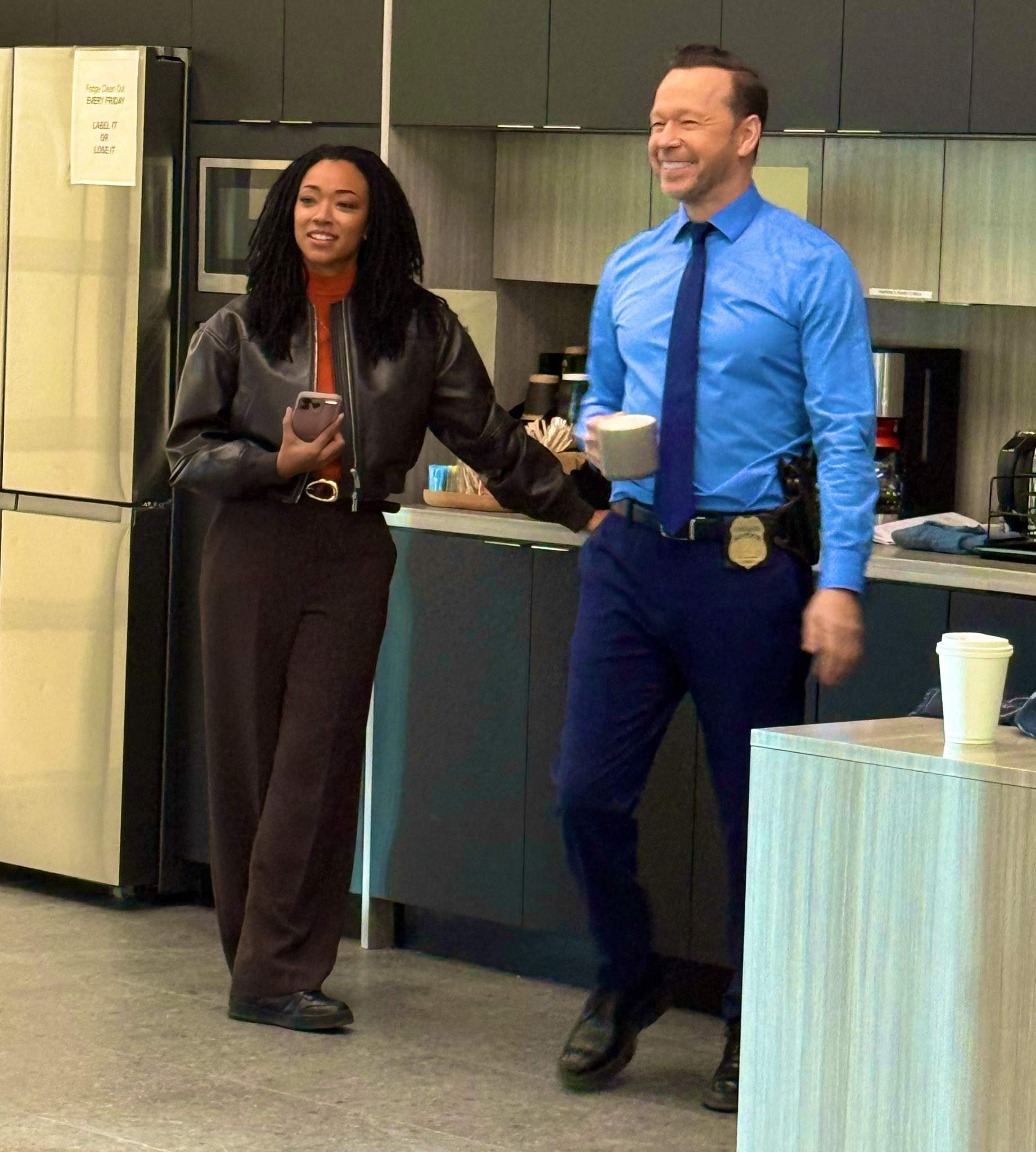
On a Friday night crowded with noise, notifications, and endless streaming options, something unexpectedly quiet cut through. Three words. No trailer. No cliffhanger tease. Just a simple call from Donnie Wahlberg to the people already watching.
“It’s time for Boston Blue.”
Within minutes, Boston Blue was trending — not because of shock twists or viral controversy, but because viewers showed up. Again. Together.
A Trend Built on Routine, Not Hype
Most television shows trend when something breaks — a surprise exit, a controversial scene, a moment engineered for social media. Boston Blue trended for a quieter reason: consistency.
Episode 8, titled “In the Name of the Father, And of the Son…”, didn’t dominate timelines with spoilers. Instead, it sparked conversations about family, responsibility, and the weight people carry into their work — themes that feel increasingly rare in fast-paced, binge-driven television.
Fans didn’t rush to explain the episode. They shared where they watched it: with family, during night shifts, in hospital rooms, or as part of a standing Friday-night ritual. That’s not a fandom chasing a moment. That’s an audience protecting one.
Why Those Three Words Worked
Wahlberg’s post didn’t sell the episode. It didn’t tease drama or demand engagement. It assumed something powerful — that viewers were already planning to be there.
In an era where celebrities constantly push content, his approach felt different. Almost old-fashioned. He didn’t tell people why to watch. He reminded them when.
According to The Hollywood Reporter, CBS has increasingly leaned into shows that build weekly loyalty rather than short-lived viral spikes — and Boston Blue fits that strategy perfectly.
What Makes Boston Blue Feel Different in 2025
There’s no binge pressure here. No algorithm chasing. Boston Blue arrives once a week, tells a grounded story, and leaves space for reflection.
In a television landscape dominated by urgency, the show offers something else: permission to slow down.
The Partnership at the Center
Wahlberg’s New York detective, now navigating Boston, is paired with Detective Lena Grant, played by Sonequa Martin-Green. Their dynamic isn’t flashy. It’s steady, restrained, and built on mutual respect.
Instead of constant conflict, the show favors quiet tension. Viewers don’t tune in wondering what will explode. They tune in to see what will hold.
Why CBS Renewed the Show So Quickly
When CBS renewed Boston Blue for a second season after just six episodes, it wasn’t chasing social media metrics. It was responding to viewer loyalty — the kind that shows up every week without being asked.
As outlined by CBS, consistent audience engagement now matters more than short-term buzz.
The Meaning Behind the Trend
Boston Blue didn’t take off because it reinvented television. It took off because it reminded viewers of something television once did well — being present without demanding attention.
Three words were enough because the relationship was already there.

Make Swikblog your go-to source on Google for reliable updates, smart insights, and daily trends.