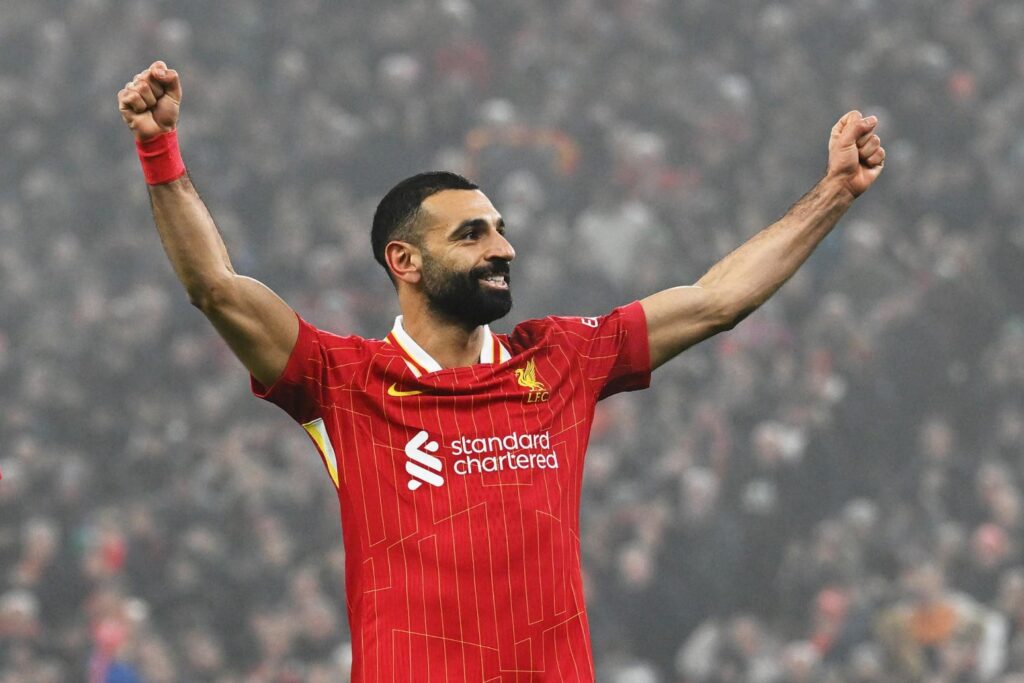

For the fifth consecutive match, Mohamed Salah watched Liverpool’s Premier League action from the bench. When the team sheet dropped ahead of the clash with Brighton & Hove Albion, the omission of Liverpool’s most prolific modern-era forward once again dominated discussion — not because of injury or suspension, but because it has become a recurring selection choice.
Liverpool named a starting XI built around energy, control, and midfield balance, leaving Salah among the substitutes despite his availability. The decision immediately sparked debate among supporters and pundits alike, with many questioning what this run of bench appearances signals about Liverpool’s evolving tactical approach.
Fifth Match, Same Question
Salah’s absence from the starting XI is no longer an isolated call. This match against Brighton marked the fifth straight game in which the Egyptian forward did not start, a situation that would have seemed unthinkable just a season ago.
Crucially, there has been no indication of fitness issues. Salah trained fully in the build-up to the fixture and was named on the bench, confirming the decision was purely tactical. That detail has shifted the conversation away from short-term rotation and toward bigger questions about Liverpool’s long-term planning.
Alan Shearer Weighs In
Former England captain Alan Shearer addressed the situation during BBC 5 Live coverage, striking a tone of understanding rather than criticism.
Shearer highlighted Salah’s immense contribution to Liverpool’s recent success, pointing to the goals and decisive moments that helped deliver major trophies. At the same time, he acknowledged the challenge managers face when balancing loyalty to proven stars with the demands of a team evolving tactically.
Tactical Context Against Brighton
Brighton’s ability to press aggressively and dominate central areas has forced many opponents to prioritise midfield control in the opening stages of matches. Liverpool’s selection reflected that approach, favouring work rate and positional discipline across the front line rather than immediate attacking risk.
Holding Salah in reserve also allowed Liverpool to keep a proven match-winner available for later stages, a strategy increasingly used across the Premier League as managers look to exploit fatigue rather than chase early dominance.
What This Means for Liverpool
This run of bench appearances does not diminish Salah’s status at the club, but it does suggest a shift in how Liverpool manage their most recognisable star. The side is becoming less dependent on one individual, spreading goals and creativity across multiple attacking outlets.
For Liverpool, that evolution may be essential as they compete on multiple fronts. For Salah, it represents a new phase of his Anfield career — one where influence may come from decisive moments rather than automatic starts.
Fan Reaction and the Wider Debate
Reaction among supporters has been sharply divided. Some fans believe repeatedly benching a club legend sends the wrong message, while others argue that rotation and tactical flexibility are necessary in a modern Premier League campaign.
What is clear is that Salah’s role is no longer guaranteed, and each team sheet now carries added significance. Whether this approach strengthens Liverpool over the long term remains to be seen, but the debate is unlikely to fade anytime soon.
Looking Ahead
With a demanding fixture schedule ahead, Liverpool may yet rely heavily on Salah’s experience and quality. For now, however, the starting XI tells its own story — one of transition, adaptability, and a club carefully redefining how its biggest star fits into the future.
For more Premier League coverage and match analysis, visit BBC Sport Football.
You may also like:
Chelsea vs Everton Kick-Off Time: Team News and Key Talking Points

Make Swikblog your go-to source on Google for reliable updates, smart insights, and daily trends.