UK doctors in England have voted to press ahead with a five-day strike this week, just days before Christmas, raising fresh concerns for NHS patients during one of the busiest periods of the winter. The walkout comes as hospitals face rising flu cases, staffing pressures, and increased demand across emergency and routine services.
The decision, confirmed on Monday, means thousands of doctors are expected to take part in industrial action despite warnings about seasonal pressures on the NHS and growing concern from patient groups ahead of the Christmas period.
When will the doctors’ strike take place?
The five-day strike is scheduled to take place later this week, marking one of the longest periods of coordinated industrial action by doctors in England in recent months. The timing, so close to Christmas, is expected to intensify disruption across NHS services already under strain.
According to reporting from BBC talks aimed at resolving the dispute failed to reach an agreement, leading doctors to proceed with the planned walkout.
Which NHS services are likely to be affected?
While emergency care will continue, NHS leaders have warned that the strike could significantly disrupt non-urgent services across England.
Patients may experience:
- Cancelled or postponed outpatient appointments
- Delays to planned surgeries and routine procedures
- Reduced staffing in some hospital departments
- Longer waiting times for GP appointments
Hospitals are expected to prioritise emergency care, including A&E services, maternity care, and critical treatments. However, patients are being urged to prepare for possible changes.
Will A&E and emergency care remain open?
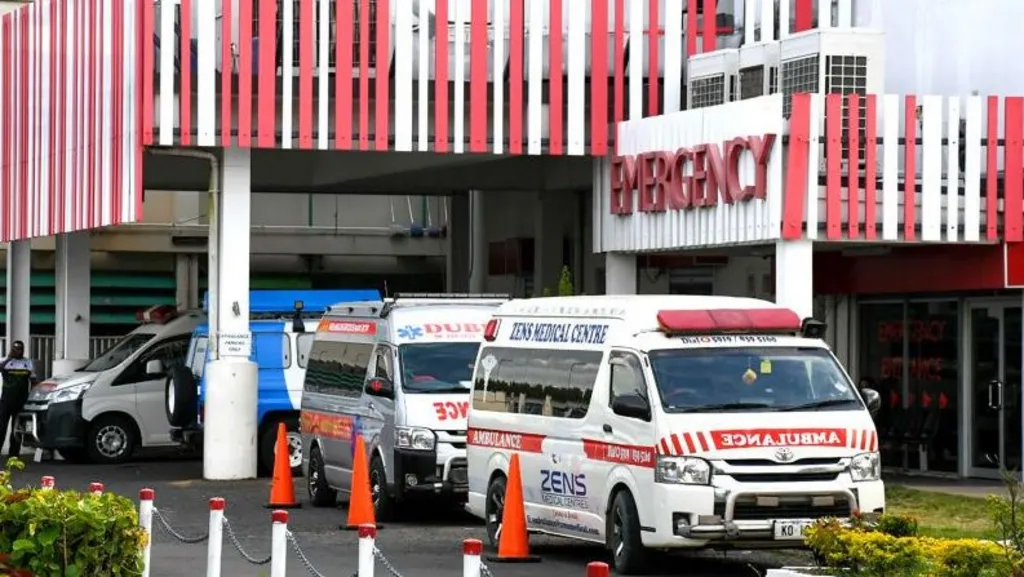
Yes. A&E departments and emergency services will remain open during the strike. NHS England has confirmed that urgent and life-saving care will continue, with contingency plans in place to maintain patient safety.
However, NHS leaders have warned that even emergency departments may experience additional pressure as staff are redeployed and winter demand rises.
Why are doctors striking before Christmas?
Doctors say the strike is driven by long-running concerns over pay, staffing levels, and working conditions. Medical leaders argue that ongoing pressures are contributing to burnout and worsening retention issues across the NHS workforce.
The timing has drawn criticism, particularly given the winter flu season and increased hospital admissions, but doctors’ representatives say repeated attempts to resolve the dispute have failed.
What should NHS patients do if they have an appointment?
NHS patients in England are advised to:
- Attend appointments as normal unless contacted directly
- Check messages from their hospital or GP surgery
- Use NHS 111 for advice if unsure where to seek care
- Continue to attend A&E for genuine emergencies
Official guidance and updates are available via the :contentReference[oaicite:1]{index=1} website.
How does this affect the NHS during winter?
The strike comes at a time when the NHS is already under intense winter pressure. Flu cases, respiratory illnesses, and seasonal injuries typically rise in December, placing extra demand on hospitals and GP services.
Health leaders warn that disruption caused by industrial action could worsen existing backlogs and increase waiting times well into the new year.
What happens next?
Talks between doctors’ representatives and the government may continue during or after the strike period, but no breakthrough has yet been announced. If no agreement is reached, further action into early 2026 has not been ruled out.
For now, NHS patients are urged to stay informed, monitor official updates, and plan ahead where possible during the Christmas period.
Related: How major UK events impact public services during peak periods

Make Swikblog your go-to source on Google for reliable updates, smart insights, and daily trends.