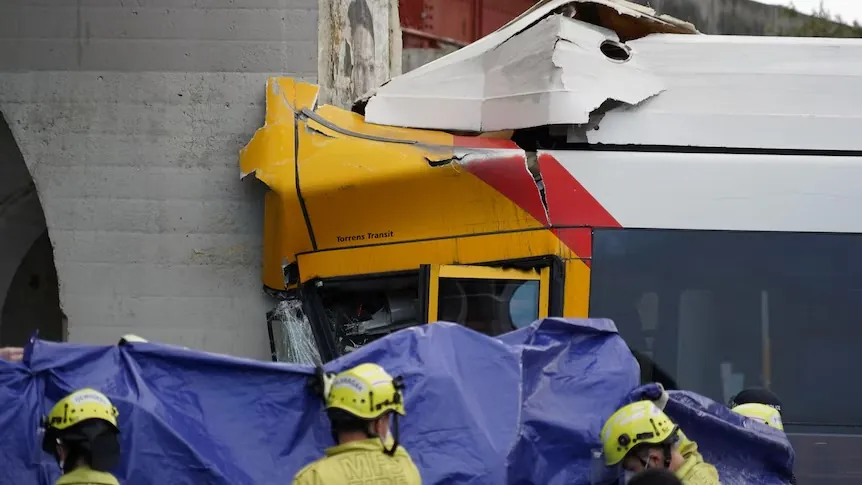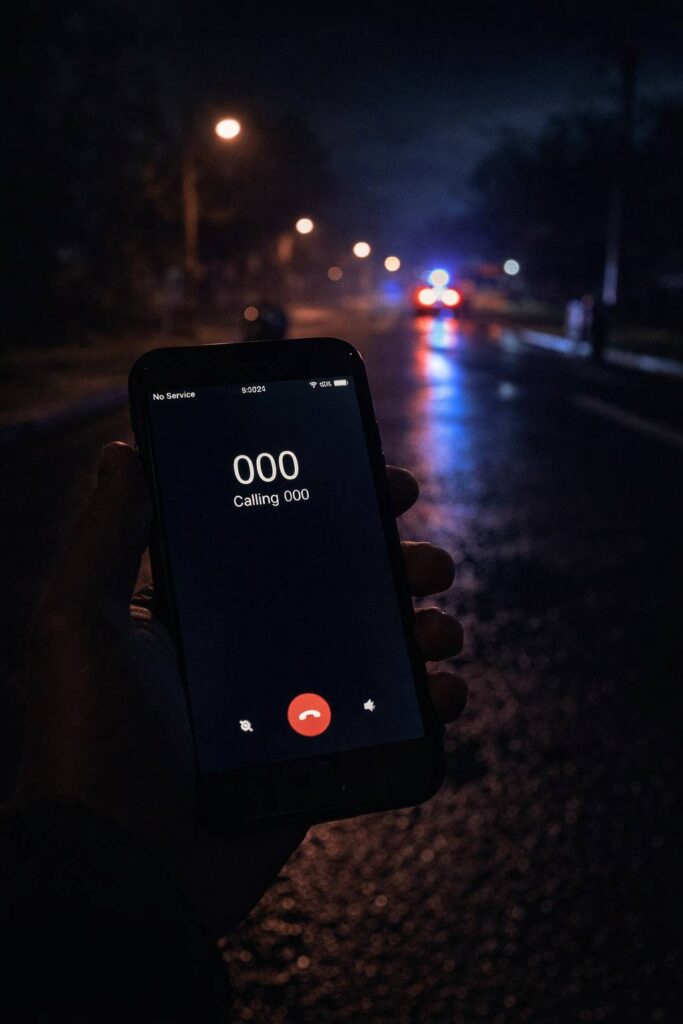

For nearly 14 hours on 18 September 2025, Australians dialled 000 expecting help to arrive. Instead, many of those calls didn’t connect.
A newly released independent review into the Optus network failure that day has described what happened as “inexcusable” and laid out how a routine technical change cascaded into a breakdown of emergency calling. Optus has acknowledged major failures, accepted the review’s recommendations, and flagged possible sackings — but the most unsettling part of the story is how quietly the system failed while people kept trying to get through.
This wasn’t a full shutdown of everyday services in the way most people imagine an outage. In many cases, phones still seemed to work for normal use. The crisis sat in a narrower, more dangerous place: the part of the network responsible for connecting emergency calls.
What happened on 18 September 2025
The outage began in the early hours of Thursday, 18 September 2025, during a scheduled network change involving a firewall upgrade — the kind of behind-the-scenes work designed to strengthen security. According to the review, a chain of errors during the upgrade meant emergency calls were not routed the way they should have been.
The detail that jars with everyday assumptions is this: many Australians believe that if one network has trouble, an emergency call will automatically jump to another available network. During this incident, that didn’t reliably happen. The review found that while some services were later rerouted, Triple Zero calls failed to connect for a significant portion of the outage window.
The disruption lasted for almost 14 hours, ending only after the fault was identified and addressed.
How many emergency calls were affected
During the outage, 605 emergency calls were attempted. About 75% did not connect to emergency services. For callers, that often meant repeated attempts, confusion, and precious time lost — the worst possible outcome when someone is calling for urgent medical help, police, or fire services.
The warnings that didn’t stop it
One of the review’s most confronting themes is not just what failed technically, but what failed organisationally. The report describes missed opportunities to recognise and escalate the emergency-calling problem early, even as customers raised alarms and patterns began to emerge.
In plain terms: the problem wasn’t treated as a full emergency quickly enough. And in a story like this, “quickly enough” is measured in minutes — not hours.
Why the review calls it “inexcusable”
The review’s language is hard to miss because the stakes are hard to ignore. Reuters reported that the inquiry linked the outage to two deaths, and traced the incident to failures during the firewall upgrade, including errors in how the change was carried out and how emergency calls were (not) rerouted. Read Reuters’ report here.
When emergency calling fails, the impact is not “service disruption” in the usual consumer sense. It’s a sudden collapse of something people rely on as a last line of safety — especially late at night, in remote areas, or when there isn’t time to think about alternatives.
What the review says went wrong
The independent review points to a mix of technical and human factors. Key issues included:
- Weak change-management controls for a network update with public-safety implications.
- Breakdowns in coordination with contractors involved in the upgrade process.
- Slow escalation of warning signs that emergency calls were failing.
- Cultural and procedural gaps that delayed decisive action during the incident.
The takeaway for general readers is simple: emergency calling needs stronger protections than everyday traffic. The review argues that the system should be designed and managed as if failures are inevitable — and that response plans must trigger fast when those failures start to appear.
What happens next
Optus has accepted all recommendations in the review and says it is implementing changes to reduce the risk of a repeat — including tighter controls around network changes, better monitoring, faster incident detection, and clearer decision-making authority during emergencies.
The company has also flagged possible consequences for individuals, including potential sackings and financial penalties, as accountability processes continue.
The uncomfortable question Australians are left with
Most people don’t think about the systems behind an emergency call until they need one. The Optus Triple Zero outage on 18 September 2025 forced that reality into view — and left a lingering question in its wake:
If the safety net can fail this quietly once, how do we make sure it can’t fail quietly again?
You may also like: Top NSW Schools in the 2025 HSC Rankings: The Confirmed Top 10

Make Swikblog your go-to source on Google for reliable updates, smart insights, and daily trends.