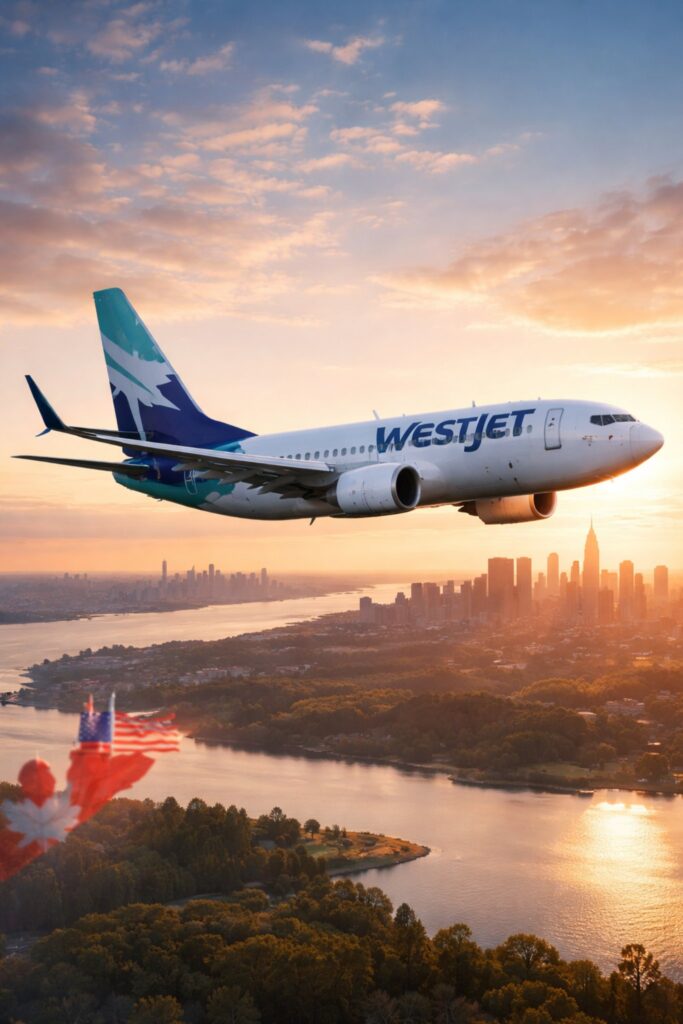

WestJet’s expansion of U.S. flights is reshaping cross-border air travel. As the Canadian airline restores and strengthens routes to major American destinations, travelers on both sides of the border are seeing new options emerge after years of reduced connectivity.
The move comes amid a wider recalibration across North America’s aviation industry, with airlines prioritising partnerships, hub access, and flexible scheduling as demand for U.S.–Canada travel continues to rise.
Why WestJet’s U.S. Expansion Matters
For Canadian travelers, WestJet’s renewed U.S. push offers more than just extra flights. Expanded access to American hubs improves onward connections, shortens travel times, and increases competition on popular transborder routes.
Industry observers note that WestJet’s strategy reflects growing confidence in sustained demand — particularly for winter travel, business trips, and international connections routed through the United States.
According to reporting from Reuters, airlines are increasingly restoring routes that deliver strong cross-border traffic while limiting operational risk.
How U.S. Airlines Fit Into the Picture
WestJet’s expansion is unfolding alongside deeper cooperation between major North American carriers, including Air Canada, United Airlines, and American Airlines.
These partnerships allow airlines to coordinate schedules, share booking platforms, and provide passengers with smoother connections under a single itinerary. For American travelers, this means easier access to Canadian cities, while Canadians benefit from expanded reach across U.S. hubs.
Rather than competing route by route, airlines are now competing on convenience — an approach that increasingly defines how travelers choose who to fly with.
What This Means for Ticket Prices
Greater competition traditionally places downward pressure on fares, but pricing remains closely tied to seasonal demand. Winter travel, school holidays, and early 2026 bookings are already driving strong interest across U.S.–Canada routes.
Travel experts recommend watching price trends carefully and using flexible booking options where available. Official guidance from the U.S. Department of Transportation also encourages travelers to review cancellation and refund rules before confirming bookings.
Should Travelers Book Now?
Travelers with fixed plans — such as business travel or holiday departures — may benefit from booking earlier to secure preferred times and seats. Those with flexibility may find improved options as airlines continue adding capacity throughout early 2026.
More announcements are expected as carriers finalise schedules and assess demand across key cross-border markets.
The Bigger Picture for North American Travel
WestJet’s U.S. expansion signals a broader shift in how airlines view the U.S.–Canada corridor. Rather than a recovery story, transborder travel is entering a new growth phase driven by cooperation, competition, and passenger choice.
As airlines continue adjusting routes and partnerships, travelers stand to benefit from a more connected and competitive North American aviation network.
You may also like:
Written by Swikblog Desk

Make Swikblog your go-to source on Google for reliable updates, smart insights, and daily trends.