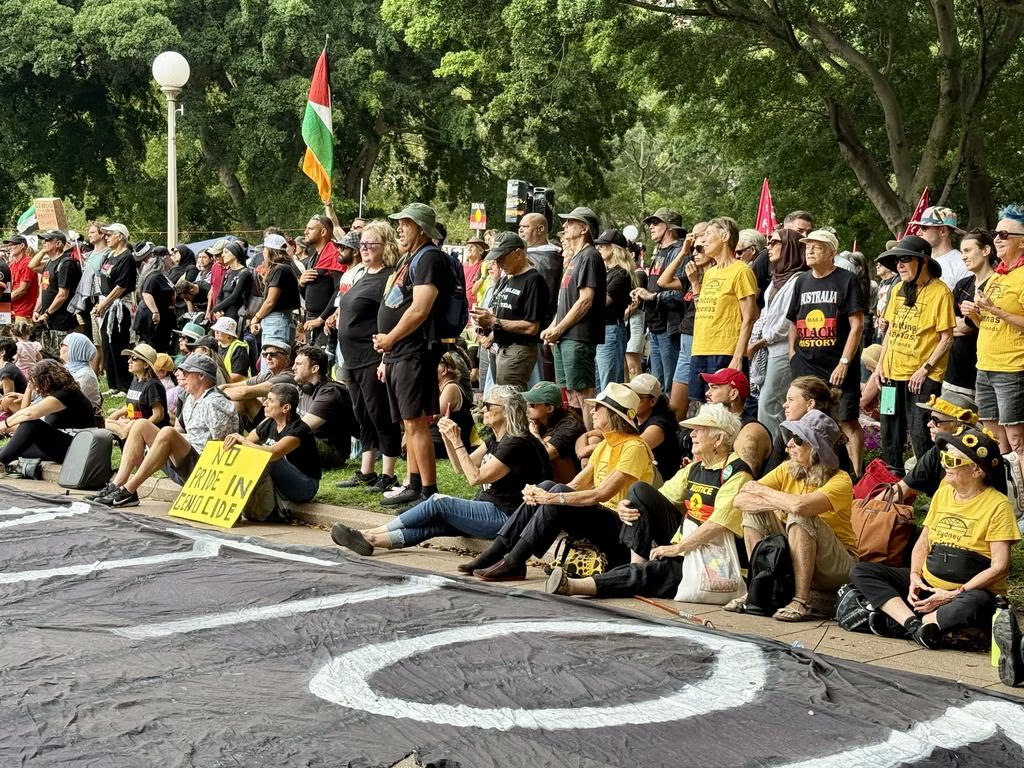

Perth’s CBD has stepped into a familiar Australia Day pressure point on Monday, January 26, 2026, with police preparing for flashpoints as two opposing rallies take shape in and around the city centre. With crowds converging under very different messages, the priority for authorities is simple: keep people safe, keep groups apart, and stop a tense afternoon from turning into something worse.
One rally is tied to the long-running “Invasion Day” or “Survival Day” movement, where many Aboriginal people and supporters say January 26 represents dispossession and the beginning of colonisation rather than a day for celebration. The other is a nationalist-style demonstration that frames the date as a symbol of national pride and, in some cases, is linked to anger over immigration levels and broader cost-of-living stress. Similar opposing rallies have been unfolding across the country today, putting police in multiple capital cities on alert.
In Perth, the tension isn’t just about the slogans on signs. It’s about timing, location and movement. When rival groups march within a tight CBD grid, small confrontations can quickly escalate—especially when heat, fatigue, and social-media momentum combine. That’s why the policing approach typically focuses on visible patrols, crowd management points, and creating separation zones so neither side can easily drift into the other’s path.
Across Australia, “Invasion Day” events have amplified calls around Indigenous justice issues, including deaths in custody, land rights and the ongoing impacts of colonisation. Meanwhile, anti-immigration rallies branded around “March for Australia” have also drawn supporters in several cities, with critics warning about extremist spillover and confrontations with counter-protesters.
The Perth situation matters because the CBD is also where thousands of people not involved in protests still need to move through the day—workers, families, visitors, and those heading to Australia Day programming elsewhere in the city. Even when rallies remain peaceful, road blocks, diverted buses, and crowded footpaths can create stress and confusion that makes tempers shorter than usual.
- Expect a stronger police presence around major gathering points and along common march routes, especially where groups might cross paths.
- CBD movement may be slower than normal, with short-notice changes to traffic and public transport depending on crowd movement.
- The atmosphere can shift quickly if small groups peel off, counter-protesters arrive, or rumours spread online.
National leaders have again urged unity and calm on a day that remains deeply contested. The broader backdrop is a country wrestling with identity, history and belonging—alongside real-world stressors like housing pressure and living costs that can intensify political anger.
For people in Perth who simply want to navigate the day, the practical advice is the same as any major CBD protest: allow extra travel time, keep an eye on official updates, and avoid moving into dense crowd areas unless you’re deliberately attending. If you’re heading into the city, plan meeting points in advance and keep phones charged—small steps that make a difference if streets are temporarily closed or a route changes mid-walk.
What happens next will depend on whether both rallies keep their distance and whether fringe actors try to force contact. The hope—shared by police, organisers and the public—is that Perth can get through the day with passion expressed loudly but safely, and with the city returning to normal by evening.
For a wider national read on how Australia Day protests are unfolding across multiple cities, see this update from Reuters.
Also read on Swikblog: latest breaking updates.

Make Swikblog your go-to source on Google for reliable updates, smart insights, and daily trends.