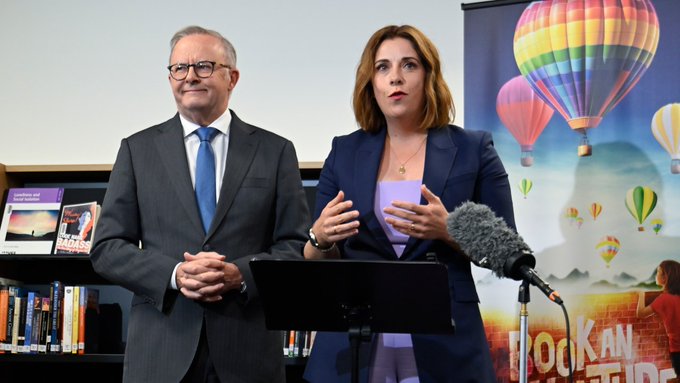
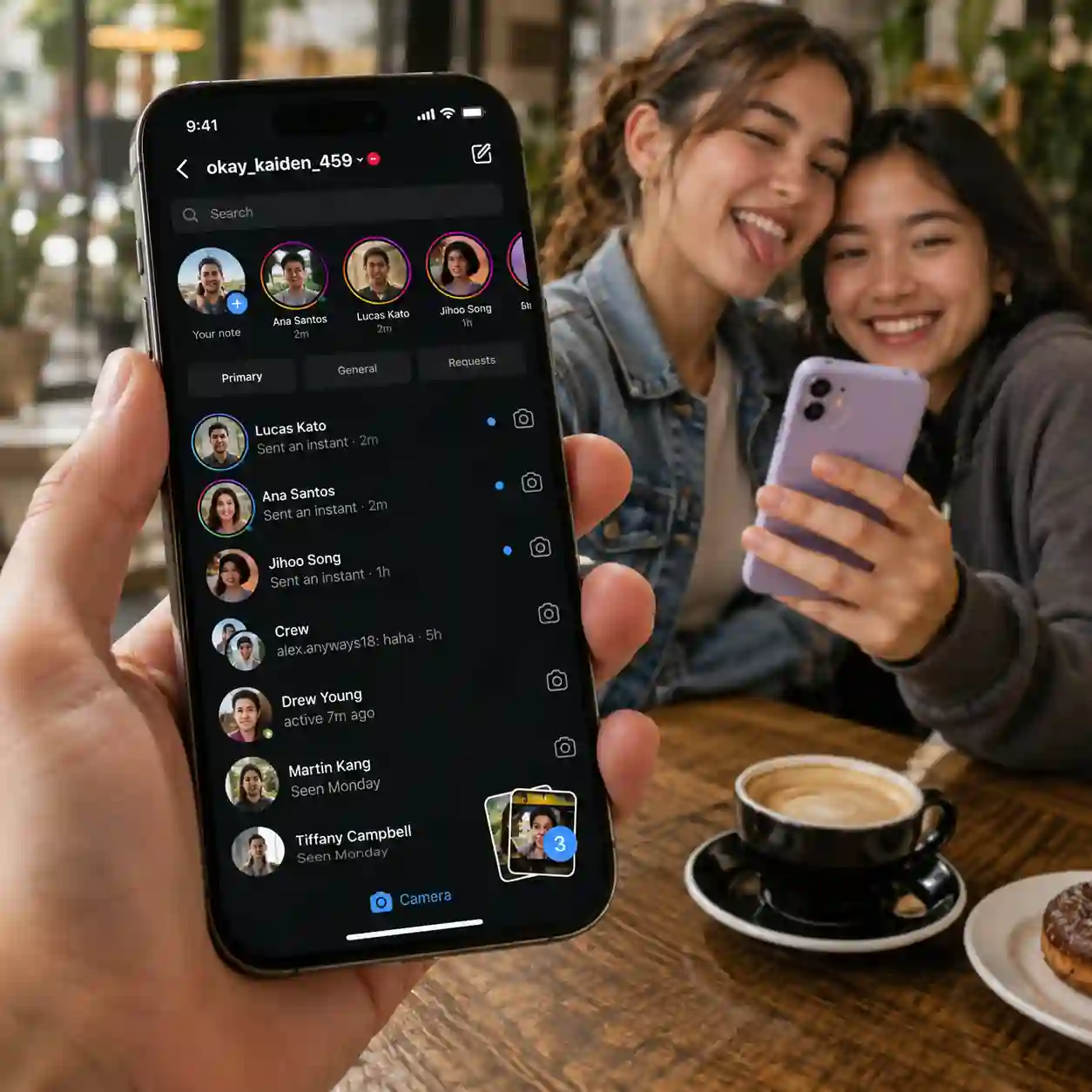
YouTube is rolling out a new deepfake detection program aimed at protecting government officials, political candidates and journalists from AI-generated videos that use their likeness without permission. The move comes as social media platforms face growing pressure to respond more aggressively to deceptive synthetic media that can spread quickly online.
The new pilot system is designed to help people in public-facing roles monitor videos that appear to impersonate them using artificial intelligence. As AI video tools become more realistic and easier to access, deepfake content is creating fresh concerns around misinformation, reputational damage and manipulation during major public moments.
YouTube adds dashboard to track fake AI likeness videos
Under the pilot program, participants must complete identity verification by submitting a video selfie along with government-issued identification. Once verified, they receive access to an online dashboard showing videos that YouTube’s systems have detected as potentially using their likeness through AI-generated content.
From that dashboard, users can flag suspect videos for review and request removal if the content crosses platform rules. YouTube says the identity materials collected during the sign-up process are only being used for verification and not for training Google’s AI models.
Key point: The system does not stop deepfake videos from being uploaded in the first place. It is designed to detect them after posting and give verified participants a faster route to report them.
Deepfake pressure is rising across social platforms
AI-generated impersonation videos have become one of the most closely watched risks in online content moderation. New tools can now recreate a person’s face, voice and mannerisms with enough realism to mislead audiences, especially when clips are clipped, reposted or shared out of context.
That threat has become especially serious for journalists, politicians and public officials, whose identities can be used to spread fabricated statements or distort sensitive events. The concern is not only that deepfakes exist, but that they can move across platforms at high speed before moderation systems catch up.
YouTube’s approach reflects a broader shift: platforms are no longer treating deepfakes as a fringe issue. They are increasingly building reporting, verification and detection systems around the expectation that AI impersonation will become more common, not less.
Removal requests will still depend on policy review
YouTube is not automatically removing every AI-generated impersonation clip it detects. Instead, the program gives participants the ability to request review and takedown. The final decision will still depend on whether the content violates YouTube’s existing policies.
The company has said that some material may remain online if it clearly falls into categories such as parody, satire or public-interest content. That means the new program is being positioned as a reporting and review mechanism rather than a blanket ban on synthetic likeness videos.
This balance is likely to remain a key point of debate. Platforms are being pushed to protect users from harmful deception while also preserving legitimate commentary, criticism and creative expression. That tension is becoming harder to manage as generative AI tools improve.
YouTube’s latest move shows how fast the deepfake debate is evolving
YouTube’s new rollout highlights how rapidly the deepfake problem is moving from theory into day-to-day platform governance. Detection tools, identity checks and faster reporting systems are becoming central to the way large platforms respond to manipulated media.
But technology alone is unlikely to solve the issue. The real test will be whether these systems can identify harmful impersonation quickly enough to limit viral spread before public opinion is affected. In a media environment shaped by speed, even a short delay can make a deepfake far more damaging than the platform intended to allow.