
The UK is facing growing concern after meningitis B (MenB) cases surged, now accounting for nearly 80% of all invasive meningococcal disease cases. A recent outbreak in Kent has already led to two tragic deaths and left more than a dozen young people seriously ill, raising urgent questions about why teenagers remain unprotected against one of the deadliest bacterial infections.
For many families, the situation is alarming. Teenagers and young adults aged 15 to 24 are among the highest-risk groups for MenB, yet most in the UK have never received the vaccine. This gap in protection is now under intense scrutiny as health experts and policymakers reconsider whether current vaccination strategies are enough.
What makes MenB so dangerous
Meningitis B is not just another infection. It is a fast-moving bacterial disease that can inflame the lining of the brain and trigger blood poisoning (sepsis). In severe cases, it can lead to death within hours if not treated quickly.
According to health data, around 1 in 10 people infected with MenB die, even with medical treatment. Survivors may face life-changing complications such as amputations, hearing loss, brain damage, epilepsy, or learning disabilities.
What makes it even more dangerous is how quickly symptoms can escalate. Early signs may seem mild, including fatigue, headache, or nausea. But within a short time, patients can develop a high fever, stiff neck, vomiting, confusion, seizures, and a distinctive rash that does not fade when pressed.
Health experts warn that people should not wait for all symptoms to appear before seeking help. Immediate medical attention can be the difference between life and death.
The hidden risk: 1 in 4 teenagers carry the bacteria
One of the most overlooked facts about MenB is that it spreads silently. Studies suggest that around one in four teenagers and young adults carry meningococcal bacteria in the back of their throat without showing any symptoms.
These carriers are not ill, but they can easily pass the bacteria to others through close contact such as coughing, sneezing, kissing, or sharing drinks and vapes. This is why outbreaks are often linked to universities, nightclubs, and shared accommodation.
In environments like student halls, where close contact is common, the risk of transmission increases significantly, making outbreaks harder to control once they begin.
Why teenagers are not routinely vaccinated
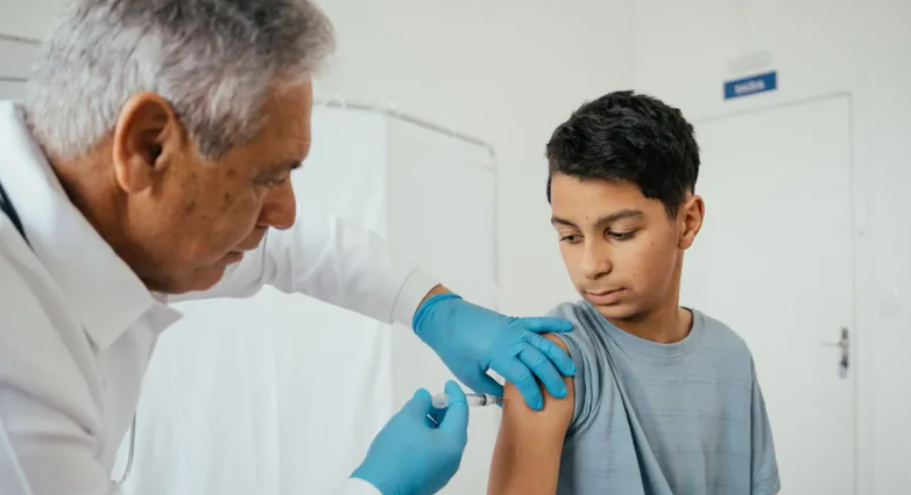
The biggest reason behind the gap is timing. The MenB vaccine was only introduced into the UK’s routine immunisation programme in 2015. As a result, today’s teenagers and university students were born before it became available and were never included in the rollout.
Instead, teenagers are offered the MenACWY vaccine at school, which protects against four other strains of meningitis but not MenB. Many parents assumed this meant full protection, only discovering the gap after serious cases emerged.
But the lack of a catch-up programme was not accidental. It was based on expert guidance.
Why the UK rejected a mass teen rollout
The Joint Committee on Vaccination and Immunisation (JCVI), which advises the UK government, decided that a nationwide MenB vaccination programme for teenagers was not cost-effective.
This decision was influenced by several scientific factors:
- The MenB vaccine does not effectively stop bacteria spreading between people
- It does not cover every MenB strain, as the bacteria exist in many variants
- Protection does not last long, meaning boosters would be required
Because of these limitations, the vaccine was prioritised for babies, who face the highest risk of severe illness.
Why the debate is changing now
The recent outbreak in Kent has reignited the debate. With multiple students hospitalised and fatalities reported, public pressure is building for a reassessment of vaccine policy.
Health Secretary Wes Streeting has already asked experts to re-examine eligibility for meningitis vaccines, signalling that changes could be considered.
In the meantime, authorities have launched a targeted vaccination programme for students living in halls at the University of Kent, aiming to contain the outbreak before it spreads further.
Close contacts of confirmed cases are also being given antibiotics, which can prevent infection in up to 90% of cases and are currently the fastest way to control transmission.
Why vaccines are not the first response in outbreaks
While vaccines are crucial for long-term protection, they are not an instant solution during an outbreak. It can take weeks for immunity to build after vaccination, whereas meningitis can develop in less than a day.
This is why health authorities prioritize antibiotics and rapid contact tracing in the early stages of an outbreak.
Still, many experts argue that vaccination could help prevent future clusters, especially in high-risk settings like universities.
The rise in private vaccinations
With no routine NHS offer for teenagers, many parents are turning to private providers. Pharmacies offer MenB vaccination courses for around £200 to £240, but demand has surged following the recent outbreak.
Some pharmacies have already reported shortages, particularly in affected regions like Kent.
Campaign groups say cost should not be a barrier to protection and are calling for wider NHS access or reduced pricing for families.
Should teenagers be vaccinated now
This remains a complex question. On one hand, the overall risk of contracting MenB is relatively low across the general population. On the other, the consequences of infection are severe and unpredictable.
For teenagers entering high-risk environments such as university halls, shared housing, or social settings with close contact, the argument for vaccination becomes stronger.
Parents concerned about coverage can check vaccination records or consult their GP. Full details on available vaccines can be found on the NHS meningitis information page.
The bottom line
The UK’s decision not to vaccinate teenagers against MenB was based on scientific and economic reasoning. However, real-world outbreaks are now challenging that approach.
With 80% of meningitis cases linked to MenB, a 1 in 10 fatality rate, and a large population of unvaccinated teenagers, the pressure to rethink policy is growing.
As experts review the evidence and the government considers next steps, one thing is clear: awareness, early detection, and informed decisions about vaccination have never been more important.

Make Swikblog your go-to source on Google for reliable updates, smart insights, and daily trends.