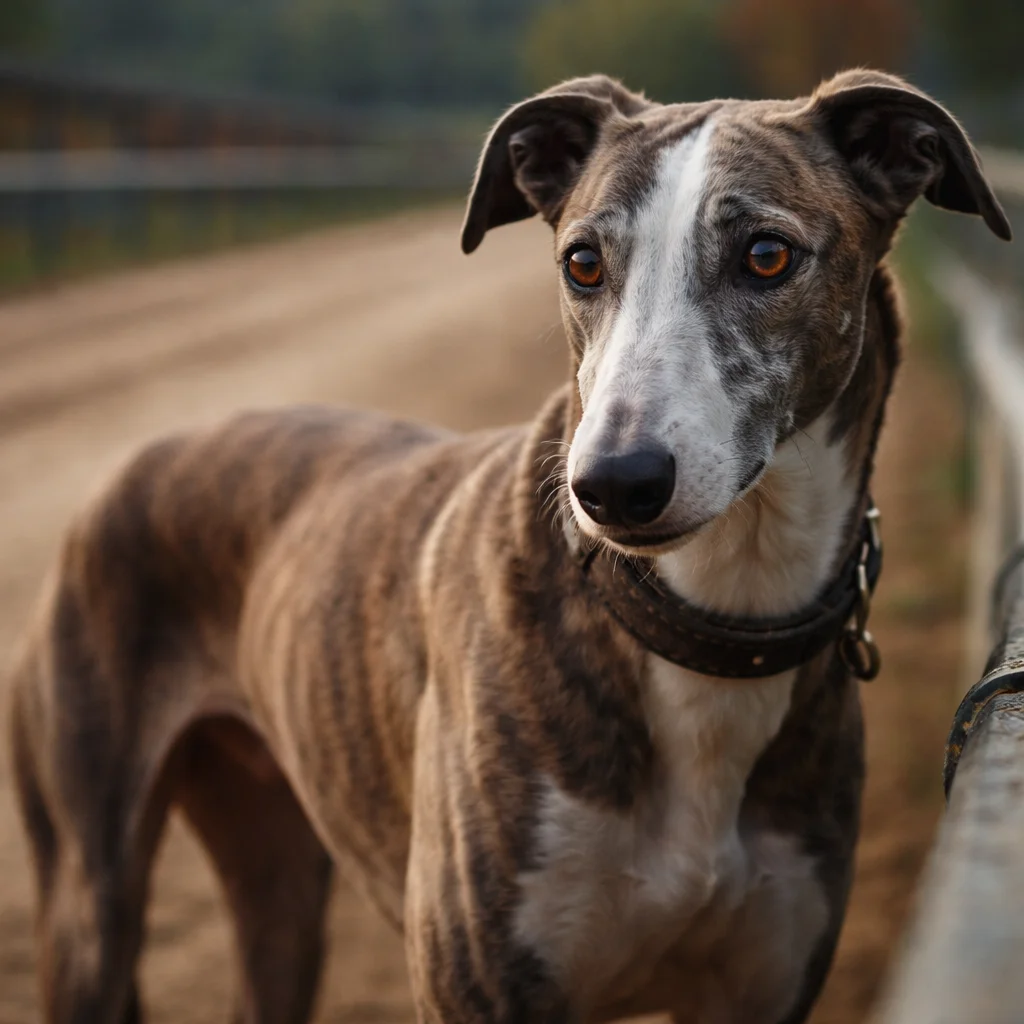

A parliamentary inquiry into greyhound racing in Western Australia has begun under intense public scrutiny, following a petition signed by more than 26,000 people calling for the sport to be phased out by 2029. What might once have been dismissed as a fringe concern has now turned into a full-scale debate — one that is forcing politicians, industry insiders, and the public to confront uncomfortable realities about animal welfare, gambling, and the future of the sport.
At the center of the controversy are stark numbers that have shocked many observers. Animal welfare advocates told the inquiry that 17 greyhounds have died on WA tracks since November, including seven deaths since the start of this year alone. For campaigners, these are not just statistics — they are evidence of a system they believe is fundamentally broken.
The issue gained even more urgency after a single race day in January at Cannington, where four dogs were injured and two had to be euthanised. Incidents like this have intensified calls to end greyhound racing altogether, with critics arguing that repeated injuries and deaths are not isolated accidents but part of the structure of the sport itself.
“It hasn’t changed”: Insider exposes harsh reality
One of the most powerful moments in the inquiry came from former greyhound racing participant Mark Layton, who described growing up inside the industry in New South Wales. By the age of eight, he was already spending time at tracks, but his experience took a darker turn as he got older.
He recalled reaching a “breaking point” at 18 after one of his favourite dogs fell during a race and broke its back in three places before being euthanised. But what stayed with him even more was what he described as a pattern — dogs that would be present one day and gone the next, quietly put down because they were no longer fast enough.
Years later, after leaving the industry and building a career elsewhere, Layton returned to a track in Northam with his wife. What he saw confirmed his worst fears. A dog fell during a race, breaking both front legs. The race continued, with other dogs running over the injured animal. According to Layton, the response from those involved was chillingly routine.
“I said to my wife it hasn’t changed at all since I was a kid — and it hadn’t,” he told the inquiry. His account has become one of the most talked-about moments so far, highlighting not just the physical harm to animals but also the psychological impact on people involved in the sport, especially children who grow up around it.
Growing pressure to ban greyhound racing
Animal welfare group Free the Hounds, which has been campaigning for years, says the inquiry is the result of sustained public pressure. Its president, Mel Harrison, made it clear that many advocates were not activists by background but ordinary people who adopted retired greyhounds and began questioning the system that produced them.
“These dogs are bred purely for gambling,” she said, pointing to what campaigners see as the core issue driving the industry.
The push for change is not limited to Western Australia. Tasmania has already announced plans to phase out greyhound racing by 2029, while New Zealand is also exploring similar options. For critics, this suggests a broader shift is underway, with public tolerance for the sport declining across multiple regions.
Economic arguments are also adding weight to the debate. A cost-benefit analysis commissioned by Animals Australia estimated that greyhound racing could result in a net loss of more than $36 million to the WA community this year. According to the report, for every $1 spent on the industry, only 79 cents of value is returned when broader social costs are considered. These include gambling-related harm, taxpayer funding, and concerns over land use.
More details on animal welfare campaigns can be found at Animals Australia.
Industry pushes back as debate intensifies
Despite mounting criticism, the greyhound racing industry has strongly defended its position. Representatives from the WA Greyhound Breeders, Owners and Trainers Association argued that the sport is highly regulated and that welfare standards have improved significantly over time.
They also challenged the credibility of the petition that triggered the inquiry, claiming it may have included signatures from outside Western Australia and even minors. More broadly, industry leaders warned that ongoing criticism is taking a toll on the mental wellbeing of those involved.
For many participants, greyhound racing is more than a job — it is a way of life. Trainers and owners describe their dogs as part of their family, deeply tied to their identity and daily routines. They argue that shutting down the industry would not only lead to job losses but also create social isolation and emotional hardship, particularly in communities where the sport has long been embedded.
WA Premier Roger Cook has acknowledged the complexity of the issue. While describing greyhound racing as a “popular pastime,” he also admitted that physical attendance at tracks is relatively low, with much of the activity now taking place through online betting platforms. His comments reflect the broader challenge facing policymakers: balancing economic interests, cultural traditions, and growing ethical concerns.
For ongoing updates and national coverage of the inquiry, readers can also follow ABC News Australia.
As the inquiry continues, one thing is clear — greyhound racing in Western Australia is no longer operating under the radar. With rising death figures, emotional testimony from insiders, and increasing economic scrutiny, the sport is being forced to justify its existence in a way it never has before. Whether that leads to reform or a full phase-out by 2029 could depend on what emerges from this inquiry — and how much public opinion continues to shift in the months ahead.

Make Swikblog your go-to source on Google for reliable updates, smart insights, and daily trends.