
New Zealand is set to turn back the clock this weekend, marking the end of daylight saving time and the return to shorter autumn evenings. The seasonal shift affects millions across the country, with clocks moving back one hour in the early hours of Sunday.
Clocks go back on April 5, 2026
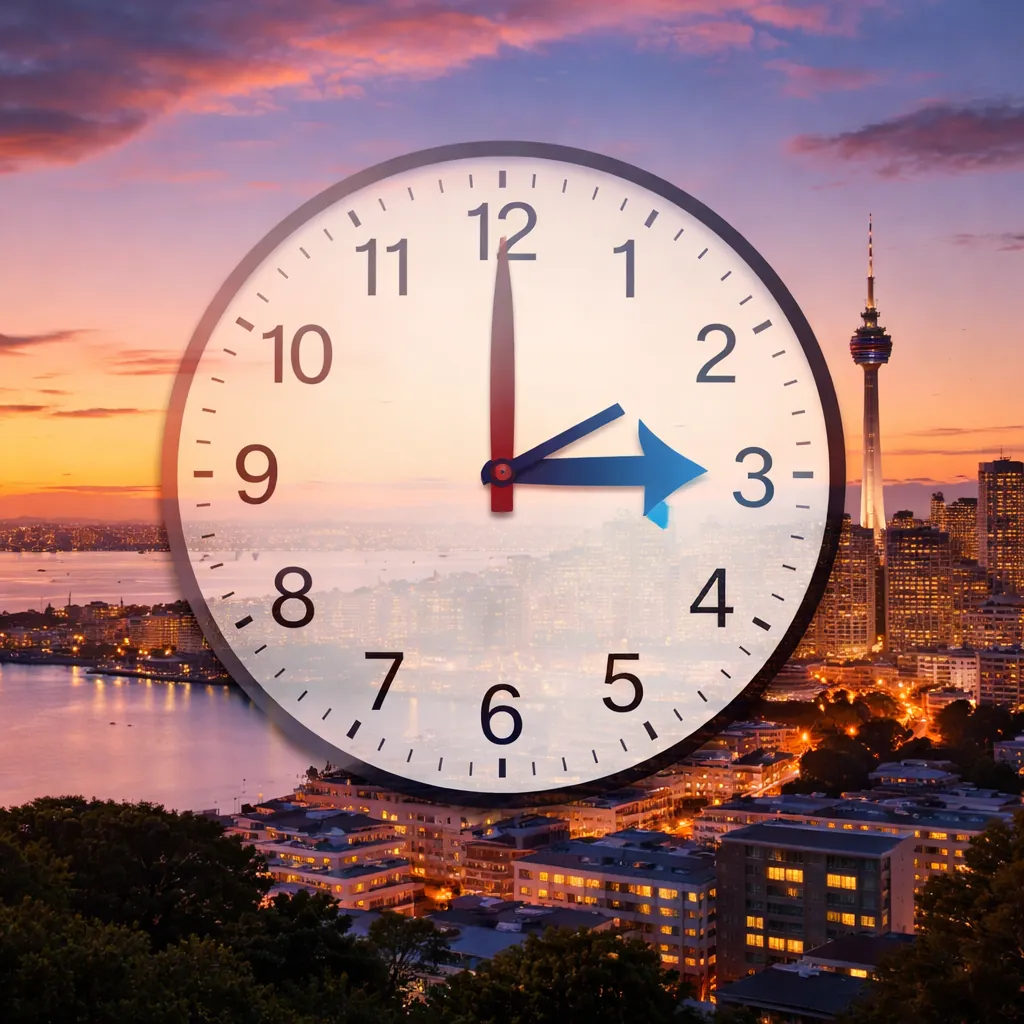
Daylight saving time in New Zealand officially ends on Sunday, April 5, 2026, at 3:00am. At that moment, clocks will be turned back by one hour to 2:00am, returning the country to New Zealand Standard Time (NZST).
The change follows New Zealand’s long-established system, where daylight saving begins in spring and ends in early autumn. Each year, the clocks move forward on the last Sunday in September and return to standard time on the first Sunday in April.
What the time change means
The shift brings a noticeable change to daily routines. Mornings will become brighter, while evenings will grow darker earlier. For many, the transition signals the approach of winter and shorter daylight hours.
During daylight saving months, New Zealand operates on NZDT (UTC+13). After the change, the country reverts to NZST (UTC+12), aligning more closely with standard global time differences.
According to the official New Zealand Government daylight saving guide, the time change is designed to make better use of daylight during summer evenings, while standard time supports brighter mornings in winter.
Impact on daily life and routines
For most people, the adjustment is simple but noticeable. The extra hour gained overnight can feel like a brief extension of sleep, but the earlier sunset often becomes more apparent in the following days.
Digital devices such as smartphones and computers usually update automatically. However, manual clocks, appliances, and older devices may need to be adjusted by hand.
Work schedules, transport timetables, and international calls may also require attention, particularly for those dealing with global time zones.
Why New Zealand uses daylight saving
New Zealand has observed daylight saving in various forms since the early 20th century. The current system was established to better align daylight hours with daily activities, especially during the longer summer days.
By extending evening daylight in warmer months, the system supports outdoor activities and reduces reliance on artificial lighting. As autumn begins, the return to standard time shifts daylight back toward the morning hours.
The change remains a regular part of the country’s seasonal rhythm, with the next daylight saving period scheduled to begin again in late September 2026.

Make Swikblog your go-to source on Google for reliable updates, smart insights, and daily trends.