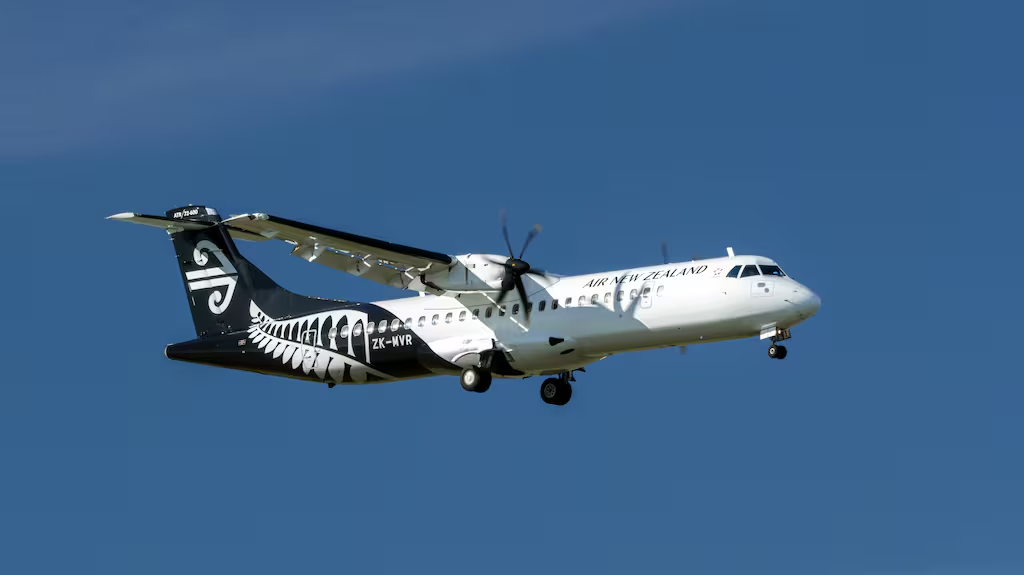

Air New Zealand is cutting more regional flights and raising fares as jet fuel prices surge to more than double normal levels, forcing the airline into fresh schedule changes across May and June. The move, confirmed on Tuesday, adds to earlier reductions and reflects mounting pressure on airlines as global fuel markets tighten amid geopolitical tensions.
The latest adjustments affect around 4% of flights but only about 1% of passengers, according to the airline, as it focuses on consolidating lower-demand services. Even so, the impact is being felt most sharply in regional centres like Tauranga and Nelson, where flight frequency is already limited and alternatives are scarce.
Regional routes take the biggest hit
In Tauranga, Air New Zealand will cut 27 Auckland return services, 30 Wellington rotations and 10 Christchurch rotations through May and June. These reductions come on top of earlier cuts between mid-March and early May, which had already reduced connectivity across key routes.
Nelson is facing an even steeper reduction. Around 140 off-peak flights are being removed, including 70 services to Wellington, 40 to Christchurch and 30 to Auckland. The cuts will result in the loss of roughly 8,000 seats, a significant blow for a region heavily reliant on air links for tourism, healthcare access and business travel.
Local officials have described the changes as disappointing but understandable, acknowledging the pressure airlines are facing from soaring fuel costs. The airline has stressed that the reductions are a short-term response, with efforts focused on rebooking passengers on flights as close as possible to their original schedules.
Fuel shock drives pricing and capacity decisions
The underlying issue is the sharp rise in jet fuel prices, which the airline says are now more than double typical levels. This has forced not only schedule cuts but also further increases in airfares, adding to cost pressures already facing travellers.
Globally, airlines are navigating a difficult balance between maintaining connectivity and protecting margins. Fuel is one of the largest operating costs, and sustained increases often lead to reduced frequency on less profitable routes rather than across major trunk services.
Previous cuts by Air New Zealand saw around 1,100 services cancelled, affecting roughly 44,000 passengers. Rival carriers have also begun trimming routes, signalling that the impact is not isolated but part of a broader aviation response to volatile energy markets.
For passengers, the changes mean fewer travel options, particularly during off-peak times, and potentially higher ticket prices even on remaining services. For regional economies, reduced connectivity could dampen visitor numbers and complicate essential travel, especially during the quieter winter period.
While the airline maintains that most customers will still reach their destinations on the same day, the shift highlights how quickly global fuel shocks can ripple into local travel networks. Travellers can stay updated on schedule changes through Air New Zealand’s official travel alerts page, as the industry continues to adjust to rapidly changing cost conditions.
You may also like: Powerball results for April 6, 2026 as the $231M jackpot drew fresh attention from lottery players
Make Swikblog your go-to source on Google for reliable updates, smart insights, and daily trends.