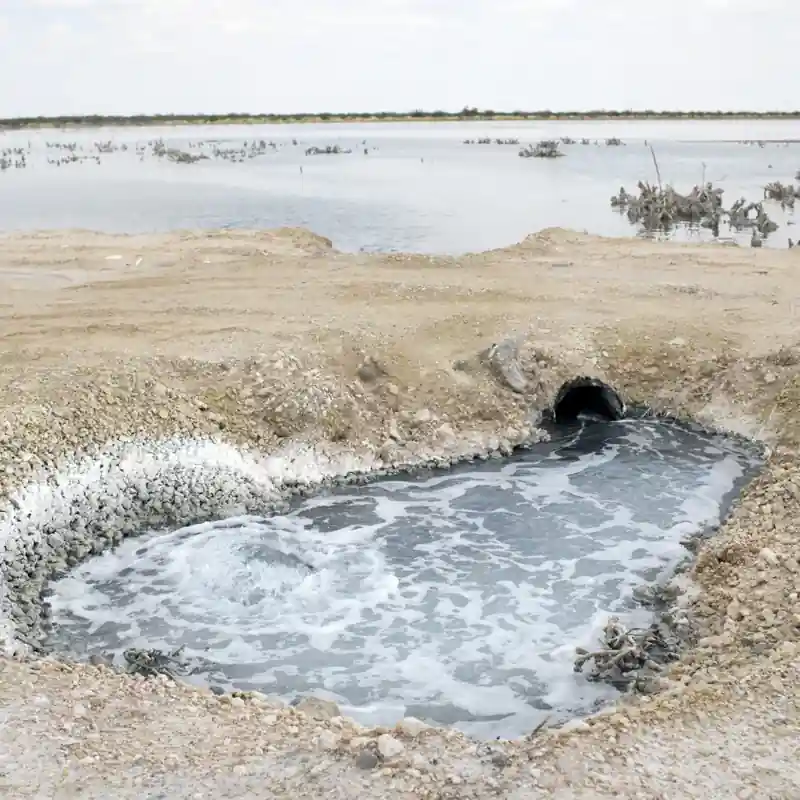

Texas is facing a new pressure point in its oil boom: the wastewater left behind after crude is pumped from the ground. A sharp rise in leaking “zombie” oil wells has pushed the state’s oil regulator toward tougher emergency action, as old wells across parts of West Texas begin releasing toxic, salty fluids back to the surface.
The issue has become more urgent after leaking wells in Texas rose 53% this fiscal year, with regulators tracking an average of 29 leaking wells per day. Many of these sites are linked to the Permian Basin, the country’s most important oil-producing region, where record output has also created a massive wastewater burden.
In the Permian, oil production is near 7 million barrels per day, making the basin more productive than most OPEC members. But crude is only part of the story. Each barrel of oil can bring up three to five barrels of wastewater, creating more than 20 million barrels a day of produced water that must be handled, transported, reused or injected underground.
This wastewater is not ordinary water. It often contains high levels of salt, oilfield chemicals and other contaminants. When managed properly, it remains isolated from people, soil and freshwater resources. When underground pressure rises or old wells become weak points, that fluid can find a route back to the surface.
That is where “zombie wells” enter the picture. These are old, abandoned or inactive wells that can suddenly begin flowing again after pressure builds underground. The term may sound unusual, but the risk is serious: fluids that were supposed to stay buried can erupt through aging wellbores, creating cleanup problems for landowners, communities and oil companies.
The Railroad Commission of Texas, which regulates oil and gas activity in the state, is now considering stronger tools to respond faster. One proposal would shut wastewater injection wells within a two-mile radius of a leaking site. Operators would then need to show that their injected water is safely contained underground before restarting disposal activity.
A second proposal would allow nearby operators to coordinate the response under state supervision. That could help speed up cleanup by using companies already active in the area, along with contractors familiar with local geology and infrastructure. In both cases, the state could classify the situation as an oil and gas emergency, helping protect companies from some legal exposure while they assist with the response.
The planned crackdown reflects a shift in how regulators are viewing the crisis. In the past, the focus was often on stopping visible leaks at the surface. Now, the concern is deeper: underground pressure from wastewater injection may be driving the leaks in the first place. That means plugging a single well may not solve the wider problem if disposal activity nearby continues to increase pressure in the same formation.
The problem also shows how one environmental fix can create another challenge. Deep wastewater injection has been linked to earthquakes in parts of Texas, pushing regulators and operators to rely more on shallower disposal zones. But shallower injection can raise the risk of fluids moving through older wells and reaching the surface, especially in areas with decades of drilling history.
Recent leaks have made the issue harder to ignore. In Grandfalls, Texas, an old well reportedly began gushing a mixture of oil and water near church property, adding to public concern across the region. For local residents and landowners, these incidents are not abstract regulatory debates. They affect land use, cleanup costs, water safety and trust in the oil industry.
For oil companies, the stakes are also rising. The Permian Basin remains a cornerstone of US energy supply, and production has not yet been meaningfully disrupted by the wastewater crisis. But regulators have warned that the issue could eventually create operational limits. If disposal wells are shut, delayed or forced into tighter rules, companies may face higher costs and more complicated drilling plans.
That matters for investors because wastewater management has become one of the hidden constraints of shale production. Oil prices, drilling efficiency and pipeline capacity often get more attention, but produced water is now a major factor in whether operators can keep expanding output safely. A company may have strong acreage and productive wells, but if it cannot manage wastewater responsibly, growth becomes harder to sustain.
The environmental risk is equally important. Produced water can damage soil and vegetation because of its high salt content. If leaks spread near freshwater sources, the concern becomes even more serious. West Texas is already a water-stressed region, so any threat to usable water supplies carries economic, agricultural and public health implications.
Texas regulators are now trying to balance two priorities: protecting one of the world’s most important oil basins while preventing wastewater leaks from becoming a larger environmental crisis. Stronger emergency rules may help contain immediate incidents, but long-term solutions will likely require better pressure monitoring, improved mapping of old wells, stricter disposal oversight and more investment in produced-water recycling.
Some operators are already exploring ways to reuse more wastewater in drilling and hydraulic fracturing. Recycling does not eliminate the problem entirely, but it can reduce the volume that must be injected underground. Over time, better reuse systems could become essential for keeping Permian production stable without worsening leak risks.
The surge in zombie wells is a warning that Texas’s oil boom carries costs beyond rigs, pipelines and market prices. The industry’s next challenge may not be finding more oil, but safely handling the water that comes with it. As regulators prepare new rules, the outcome could shape how oil companies operate across the Permian Basin for years to come.
For broader context on global oil supply and energy market risks, readers can review the International Energy Agency’s oil market analysis.
You may like: Nasdaq Futures Fall 80 Points, Oil Nears $100 As Tesla Slides

Make Swikblog your go-to source on Google for reliable updates, smart insights, and daily trends.